
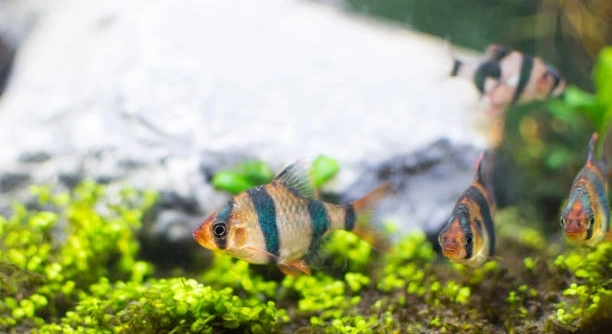
Keeping a Tiger Barb tank healthy requires attention and care. Many fish owners may not realize when their aquarium setup needs an update or adjustment. Observing your tank closely can help prevent problems before they get worse.
Several signs can indicate that a Tiger Barb tank requires changes, such as poor water quality, increased fish aggression, lack of plant growth, or unusual fish behavior. Recognizing these signs early supports better fish health and a balanced aquatic environment.
Knowing these warning signs can improve your tank’s overall condition and make your Tiger Barbs thrive for longer. This article will guide you through important clues that show when your tank needs a change.
Cloudy or Foul-Smelling Water
Cloudy or foul-smelling water is a clear indication that your Tiger Barb tank needs attention. Over time, waste, uneaten food, and decaying plants can build up and affect water quality. This creates an unhealthy environment for your fish, leading to stress and illness. Regular water changes and cleaning the tank’s filter can help, but if the water remains cloudy or smells bad, it may be time to change more than just the water. Check if the filtration system is working properly and consider replacing old decorations or substrate that might be trapping waste. Poor water quality can also cause algae growth, which clouds the water and affects oxygen levels. Taking care of the water regularly keeps your tank clearer and your fish happier.
Persistent cloudy or bad-smelling water often signals a deeper issue with tank maintenance or equipment.
Addressing water quality problems early prevents health issues in your Tiger Barbs and keeps the tank visually appealing. Regular testing for ammonia, nitrites, and nitrates helps track water conditions. If these levels are off, partial water changes or cleaning the substrate can restore balance. Upgrading your filter or adding more plants may improve water quality as well. It’s important to maintain a consistent cleaning schedule and avoid overfeeding, which contributes to waste buildup. By focusing on water clarity and odor, you create a safe home where your fish can swim actively and show their natural colors. Healthy water also supports beneficial bacteria that break down harmful substances, making the tank’s ecosystem stable and thriving.
Increased Aggression Among Fish
Increased aggression is a sign your Tiger Barbs need a change in their environment.
Tiger Barbs are active and social fish, but overcrowding or lack of hiding spots can lead to aggression. When fish start chasing, nipping fins, or showing stress, it’s time to assess the tank setup. Providing enough space, plants, and decorations can reduce stress and keep peace among the group. Sometimes, separating aggressive individuals or increasing the number of Tiger Barbs to balance social dynamics helps calm them down. Adjusting the tank environment to meet their needs improves fish behavior and overall well-being.
Declining Plant Growth
When plants in your Tiger Barb tank start to wilt, discolor, or die off, it shows the tank environment isn’t balanced. Poor lighting, nutrient deficiencies, or water quality problems can stunt growth and harm plants.
Healthy plants need adequate light, nutrients, and stable water conditions. If your plants look unhealthy, check the lighting schedule and intensity, ensuring they match the needs of your specific plant species. Testing water parameters for essential nutrients like nitrates and phosphates is also important. Sometimes adding liquid fertilizers or root tabs can revive struggling plants. Plants help maintain good water quality by absorbing waste, so keeping them healthy supports the whole tank ecosystem. Replacing dead plants promptly prevents decay that could worsen water conditions.
If plants continue to fail despite care, reassess the tank’s environment, including substrate and water flow. Sometimes changing to more suitable plant species for your tank conditions can make a big difference.
Fish Hiding or Lethargy
Fish that hide excessively or appear lethargic often signal stress or poor tank conditions. These behaviors suggest your Tiger Barbs are uncomfortable and may need a change in their habitat.
Lethargy can be caused by low oxygen levels, poor water quality, or inadequate tank temperature. When fish stay hidden, it might mean they feel threatened by other fish or lack proper hiding places. Creating more cover with plants or decorations can make fish feel secure. Regularly testing water parameters and maintaining stable temperatures are essential to keep fish active and healthy. Overcrowding or incompatible tank mates also increase stress, so evaluate your fish count and species compatibility. By observing these behaviors closely, you can take steps to improve the tank’s conditions and help your Tiger Barbs feel at ease.
Fish that remain hidden or inactive for long periods need prompt attention to avoid illness or worse.
Excessive Algae Growth
Excessive algae in your Tiger Barb tank can indicate an imbalance in light or nutrients. Too much light or leftover food may be fueling algae growth, which competes with plants and harms water quality.
Controlling algae involves adjusting light duration, reducing feeding, and maintaining regular water changes. Adding algae-eating fish or snails can also help keep growth in check naturally.
Unusual Fish Behavior
Sudden changes in your Tiger Barbs’ swimming patterns or appetite often reflect stress or illness. These behaviors suggest the tank environment may need adjustment to support their health.
Filter Problems
A malfunctioning filter reduces water circulation and cleaning, leading to poor water quality. Regular checks and maintenance are essential to keep the filter working properly and the tank healthy.
How often should I change the water in my Tiger Barb tank?
Water changes are essential for keeping your tank clean and fish healthy. Ideally, you should change about 20-25% of the water every week. This helps remove waste, excess nutrients, and toxins that build up over time. If your tank is small or heavily stocked, you might need to do more frequent water changes. Using a siphon can make this task easier by removing debris from the substrate. Always treat tap water with a water conditioner before adding it back to the tank. Regular water changes maintain a stable environment, reducing stress and disease risks for your Tiger Barbs.
What signs show my Tiger Barbs are stressed?
Stress in Tiger Barbs can appear as hiding more than usual, losing color, or swimming erratically. They might also refuse food or show signs of fin damage from aggression. Stress often comes from poor water quality, overcrowding, or incompatible tank mates. Watch how your fish behave daily to catch signs early. Providing plenty of plants and hiding spots helps them feel secure. Keep water conditions steady and avoid sudden changes in temperature or chemistry. Reducing stress improves their immune system and lifespan.
Can I keep Tiger Barbs with other fish?
Tiger Barbs are semi-aggressive and do best with fish that can handle their energetic nature. They often nip fins, so avoid slow-moving or long-finned species like bettas or angelfish. Good tank mates include fast swimmers or other robust fish such as danios, barbs, or larger tetras. Keeping Tiger Barbs in groups of at least six reduces their aggression since they focus on each other. Avoid overcrowding and always research compatibility before adding new fish to your tank.
How much should I feed my Tiger Barbs?
Feed your Tiger Barbs small amounts two to three times a day. Only give what they can eat in about two minutes to prevent leftover food from polluting the tank. A varied diet with flakes, pellets, and occasional live or frozen foods like brine shrimp supports their health and color. Overfeeding leads to water quality problems and obesity. Watch their behavior to adjust feeding amounts, ensuring they stay active and healthy.
What temperature is best for a Tiger Barb tank?
Tiger Barbs thrive in water temperatures between 74°F and 79°F (23°C to 26°C). Maintaining a stable temperature within this range helps their metabolism and immune system function well. Use a reliable heater and thermometer to monitor and control the temperature. Sudden temperature changes can cause stress and illness, so avoid placing the tank near drafts or direct sunlight.
Why is my Tiger Barb tank water cloudy?
Cloudy water can result from bacteria blooms, excess waste, or poor filtration. New tanks often experience a bacterial bloom as beneficial bacteria establish, which usually clears in a few days. In established tanks, cloudy water often means overfeeding, infrequent cleaning, or filter issues. Regular water testing and maintenance are key to preventing this. Clean the filter as recommended and avoid disturbing the substrate too much during water changes. Ensuring proper tank cycling before adding fish also helps keep water clear.
How do I reduce aggression in my Tiger Barb tank?
Aggression is natural for Tiger Barbs but can be reduced by keeping them in groups of six or more. This spreads out aggressive behavior so no single fish is targeted. Adding plenty of plants and hiding spots helps fish escape and feel safe. Avoid overcrowding and maintain good water quality to reduce stress-related aggression. If aggression persists, consider separating overly aggressive individuals to protect others. Balanced feeding and compatible tank mates also play a role in keeping aggression low.
What kind of filter is best for a Tiger Barb tank?
A filter that provides good mechanical, chemical, and biological filtration is ideal for a Tiger Barb tank. Canister filters and hang-on-back filters are popular choices. They help keep the water clear and oxygenated while removing toxins. Make sure the filter flow is not too strong, as Tiger Barbs prefer moderate currents. Regular cleaning and maintenance of the filter media are important to keep it working efficiently without harming beneficial bacteria.
How do I set up a Tiger Barb tank?
Start with a tank of at least 20 gallons to provide enough space. Use a dark substrate to highlight the fish’s colors and add live plants for cover. Set up a filter and heater to maintain water quality and temperature. Cycle the tank fully before adding fish to avoid ammonia spikes. Introduce Tiger Barbs in groups and monitor water parameters regularly. Decorate the tank with rocks and driftwood to create hiding places. Proper setup ensures a healthy environment for your fish to thrive.
Can Tiger Barbs live without plants?
While Tiger Barbs can survive in tanks without live plants, plants offer many benefits. They help improve water quality by absorbing nitrates and provide hiding spots that reduce stress and aggression. Live plants also create a more natural environment that supports the fish’s behavior and well-being. If live plants are not an option, consider adding artificial plants and decorations that offer similar cover and comfort.
Keeping a Tiger Barb tank healthy and balanced requires regular attention and care. Noticing the signs that your tank needs a change can make a big difference in the well-being of your fish. Simple things like cloudy water, increased aggression, or dying plants should never be ignored. These signs often point to underlying issues that, if left untreated, can harm your fish and the overall tank environment. By paying attention to these details, you ensure a safer and more comfortable home for your Tiger Barbs.
Maintaining good water quality is one of the most important parts of caring for a Tiger Barb tank. Regular water changes, proper filtration, and testing water parameters all help keep the environment stable. Overfeeding, poor cleaning habits, or ignoring equipment problems can quickly lead to stress and illness in your fish. Creating a consistent schedule for tank maintenance helps prevent many common problems. Additionally, providing enough space, plants, and hiding spots reduces aggression and stress among your Tiger Barbs, helping them live longer and behave naturally.
It’s important to remember that every tank is unique, and what works for one setup might need adjustment for another. Watching your fish closely and learning their normal behavior will help you spot problems early. When you see signs like lethargy or unusual behavior, it’s a signal to check water quality, tankmates, and the environment. Making small changes promptly can improve your tank’s health significantly. Taking the time to understand your Tiger Barb’s needs and responding to signs of trouble will create a peaceful, thriving aquarium that you can enjoy for years.

Hello,
If you enjoy the content that we create, please consider saying a "Thank You!" by leaving a tip.
Every little bit helps us continue crafting quality advice that supports the health, happiness, and well-being of pets around the world, for pets of all shapes, sizes, and species.
We really appreciate the kindness and support that you show us!