
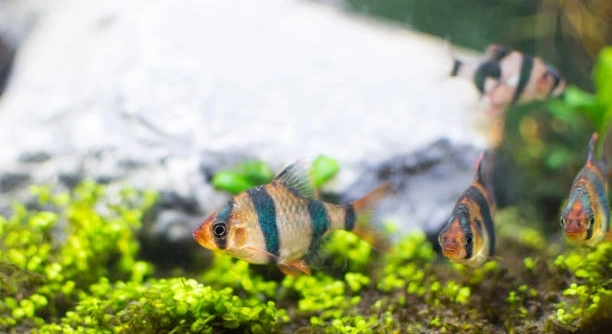
Tiger barbs are colorful and active fish that many aquarium lovers enjoy keeping. Feeding them the right foods is important to help them grow quickly and stay healthy. A balanced diet supports their energy and vibrant colors over time.
To promote fast growth in tiger barbs, a diet rich in high-quality protein, such as live or frozen foods like brine shrimp and bloodworms, combined with a variety of flakes or pellets fortified with vitamins, is essential. Providing frequent, small meals ensures proper nutrition and growth.
Knowing the best foods and feeding habits can make a big difference in how your tiger barbs thrive and develop.
Ideal Foods for Tiger Barbs’ Fast Growth
Tiger barbs need a diet that is rich in protein to support their rapid growth. Live foods like brine shrimp and bloodworms are excellent choices because they provide essential nutrients and encourage natural hunting behavior. Frozen alternatives can work well too, especially when live foods are not available. Alongside these, high-quality flakes or pellets formulated for tropical fish should be included daily to provide a balanced mix of vitamins and minerals. It’s important to offer a variety of foods to ensure tiger barbs receive all necessary nutrients. Feeding small amounts multiple times a day helps avoid overfeeding and keeps water quality high. A proper feeding schedule promotes consistent growth and keeps the fish energetic and healthy. Always observe your fish’s behavior and adjust portions accordingly to prevent waste or hunger.
Frequent small feedings improve digestion and reduce leftover food that could pollute the tank.
Providing a varied diet strengthens the immune system and supports vibrant colors. Consistent feeding habits play a key role in the overall health and rapid development of tiger barbs.
Foods to Avoid for Healthy Growth
Avoid feeding tiger barbs foods that are high in fillers or low in nutritional value, such as cheap flakes with excessive plant matter or artificial additives. These can stunt growth and lead to health problems over time. Overfeeding with large portions or unhealthy treats should be prevented to maintain water quality and prevent obesity. Processed human foods like bread or cereals are harmful and should never be offered. Instead, focus on nutrient-dense options and fresh or frozen live foods that mimic their natural diet. Maintaining a clean tank environment also supports good nutrition and growth. By eliminating poor-quality food sources, your tiger barbs will grow stronger and maintain their lively appearance. Balanced nutrition combined with proper tank care results in fish that thrive and display their best colors and behavior.
Feeding Frequency and Portions
Feeding tiger barbs small amounts multiple times a day helps their digestion and growth. Overfeeding at once can lead to poor water quality and health issues.
Offering food two to three times daily with small portions ensures they eat everything quickly. Uneaten food can pollute the tank and cause stress to the fish. Dividing their daily food into several feedings mimics natural feeding habits. Monitor their behavior and adjust the amount if they seem hungry or leave food behind. Consistency in feeding times helps regulate their metabolism and encourages steady growth.
Portion control is key. Feed just enough for your tiger barbs to finish their food in about two minutes. This prevents waste and keeps the tank environment clean, which is essential for healthy fish growth. Avoid feeding too much in one sitting to reduce the risk of digestive problems and maintain stable water conditions.
Importance of Water Quality for Growth
Good water quality directly impacts how well tiger barbs grow. Poor conditions can stress the fish and slow their development. Keeping the tank clean and stable supports their health and appetite.
Regular water changes, proper filtration, and monitoring water parameters like pH, ammonia, and nitrate levels are essential. Stress from dirty water weakens their immune system, making them vulnerable to disease. Clean water also ensures oxygen levels remain high, which supports metabolism and growth. Keeping the environment stable helps tiger barbs use the nutrients they eat efficiently. A healthy tank encourages active fish and vibrant colors, reflecting their well-being. Consistent maintenance routines are just as important as feeding for fast, healthy growth.
Monitoring Growth Progress
Tracking your tiger barbs’ growth helps ensure they are developing well. Regular observation lets you spot any health or feeding issues early.
Noticing changes in size, color, or behavior can indicate if their diet or environment needs adjustment. Consistent monitoring supports healthy growth.
Supplementing with Vegetables
Adding vegetables like spinach or zucchini can provide extra nutrients and fiber. Lightly blanch the veggies to soften them before feeding. This helps tiger barbs get vitamins not found in protein-rich foods and supports digestion.
Avoiding Overfeeding
Overfeeding can cause obesity and poor water quality. Stick to small, controlled portions to keep your fish healthy and the tank clean.
Choosing the Right Tankmates
Select peaceful tankmates that won’t compete aggressively for food. Compatible companions reduce stress and help tiger barbs grow well.
FAQ
What is the best food to feed tiger barbs for fast growth?
The best food for fast growth includes high-protein options like live or frozen brine shrimp, bloodworms, and daphnia. These provide essential nutrients and stimulate natural hunting behavior. High-quality flakes or pellets made for tropical fish should be included daily for balanced vitamins and minerals. A varied diet ensures tiger barbs get everything they need to grow strong and healthy.
How often should I feed my tiger barbs?
Feeding small amounts two to three times a day is ideal. This helps with digestion and reduces leftover food, which can pollute the tank. Dividing daily food into multiple feedings keeps metabolism steady and encourages faster growth. Watch your fish to see if they finish their food quickly and adjust portions accordingly.
Can I feed tiger barbs vegetables?
Yes, vegetables like spinach or zucchini are good additions. They provide vitamins and fiber that support digestion. Always blanch vegetables to soften them before feeding to make sure your tiger barbs can eat them easily. Vegetables should be a supplement, not the main food.
Is it okay to feed tiger barbs only flakes or pellets?
Feeding only flakes or pellets is possible but not the best choice for fast growth. These foods often lack some nutrients found in live or frozen options. Combining flakes or pellets with live or frozen foods offers a more complete diet and better supports rapid development.
How important is water quality for tiger barbs’ growth?
Water quality is crucial. Poor water conditions stress fish and slow their growth. Regular water changes, good filtration, and stable parameters (pH, ammonia, nitrates) keep fish healthy and allow nutrients to be absorbed properly. Clean water supports strong immune systems and vibrant colors.
What happens if I overfeed my tiger barbs?
Overfeeding leads to obesity and poor water quality. Uneaten food decays and raises harmful ammonia and nitrate levels, which stress fish and cause health problems. Feeding the right portion size helps keep your tank clean and your fish healthy.
Can tiger barbs eat human food?
No, human foods like bread, cereals, or processed snacks should never be fed to tiger barbs. These foods lack proper nutrients and can harm their digestive system. Stick to foods designed for tropical fish or safe live and frozen options.
How can I tell if my tiger barbs are growing well?
Look for steady increases in size, bright colors, and active behavior. Healthy tiger barbs will eat eagerly and swim energetically. Any signs of dullness, lethargy, or loss of appetite may indicate a problem with diet or environment.
Should I feed my tiger barbs at night?
Tiger barbs are active during the day and usually eat best with daytime feedings. Feeding at night is not necessary and could disrupt their natural rhythm. Keeping feeding times consistent during daylight hours supports good digestion and growth.
What tankmates are best for tiger barbs?
Choose peaceful, similar-sized fish that won’t outcompete tiger barbs for food. Aggressive or much larger fish can stress tiger barbs and reduce their growth rate. Good companions help maintain a calm environment where tiger barbs can thrive.
Feeding tiger barbs properly is key to helping them grow quickly and stay healthy. A diet rich in protein, including live or frozen foods like brine shrimp and bloodworms, combined with high-quality flakes or pellets, provides the essential nutrients they need. Offering a variety of foods helps ensure they get balanced nutrition, which supports their energy, growth, and vibrant colors. Feeding small amounts two to three times a day is better than one large feeding, as it helps digestion and prevents leftover food from polluting the tank.
Maintaining good water quality is just as important as feeding. Clean water reduces stress on the fish and allows them to absorb nutrients more efficiently. Regular water changes, proper filtration, and monitoring water parameters such as pH and nitrate levels all contribute to a healthy environment. When tiger barbs live in a clean, stable tank, they are more likely to grow fast and stay disease-free. Overfeeding or poor tank conditions can slow growth and cause health problems, so balancing feeding habits with tank maintenance is necessary.
Lastly, watching your fish regularly helps you notice any changes that might signal problems with diet or environment. If tiger barbs show dull colors, lethargy, or stop eating, it could mean their food or water conditions need adjustment. Keeping an eye on their growth progress and behavior will guide you in making the right changes. By providing proper food, feeding at the right times, and ensuring good tank care, you can support your tiger barbs in reaching their full potential with strong growth and vibrant health.

Hello,
If you enjoy the content that we create, please consider saying a "Thank You!" by leaving a tip.
Every little bit helps us continue crafting quality advice that supports the health, happiness, and well-being of pets around the world, for pets of all shapes, sizes, and species.
We really appreciate the kindness and support that you show us!