
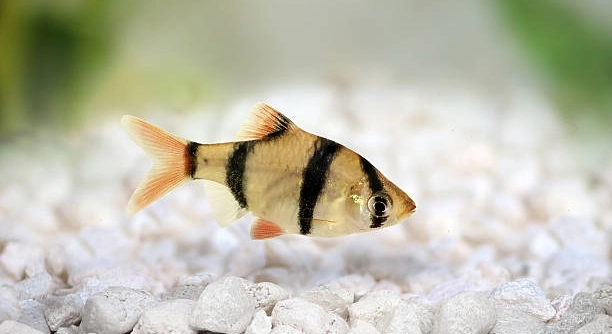
Do your tiger barbs seem restless or unhappy, even though you’ve provided food, clean water, and a few decorations?
The best tank layouts for tiger barbs balance swimming space, hiding spots, and visual breaks to reduce aggression. These active fish thrive in environments that mimic their natural habitat and encourage schooling behavior.
Each layout idea is designed to improve their comfort, reduce stress, and help maintain a peaceful aquarium for all your fish.
Layout 1: Planted Tank with Open Swimming Space
Tiger barbs love movement, so a layout that gives them room to swim freely is essential. Start with a medium to large tank, preferably 20 gallons or more. Use tall plants like Amazon swords or vallisneria along the back and sides. This creates vertical structure and breaks line of sight without crowding the center. Keep the middle area mostly open to allow group swimming. Choose a dark substrate to help the colors of your barbs stand out and reduce stress. Include a few scattered smooth rocks or driftwood pieces to provide texture. Avoid overcrowding the tank with decorations. This layout encourages natural behavior like chasing and schooling, which keeps their energy focused and aggression lower. Planted areas also help with water quality, giving the fish a stable environment. With this setup, tiger barbs will be more active and show brighter colors while interacting in a healthier, less stressful space.
This type of setup creates a natural balance between movement and rest, which tiger barbs need for good health.
Choose hardy plants that can handle occasional nibbling. Use good lighting and monitor plant growth. Keep the water parameters stable—tiger barbs thrive in slightly soft, warm water with good circulation. A layout like this supports long-term care.
Layout 2: Driftwood Maze with Low-Light Plants
This layout suits tanks placed in rooms with limited light or where you want a dim, calming look.
Use spider wood or mopani driftwood arranged in a maze-like structure. This gives tiger barbs many hiding spots and helps redirect chasing. Add low-light plants like anubias, java fern, and mosses attached directly to the wood. These plants are hardy and thrive in lower lighting conditions. The maze slows down swimming, encouraging exploration and reducing constant chasing among barbs. Use a dark substrate to enhance contrast and mimic a riverbed. Keep the lighting subdued—consider using a full-spectrum LED light on a timer. This type of environment mimics shaded riverbanks, which tiger barbs naturally prefer. Ensure water movement is consistent but gentle. Add floating plants like salvinia to further soften the lighting and provide cover. This layout is ideal for reducing stress in more aggressive groups, as it allows fish to hide or rest while still interacting with their environment. Regular maintenance is still required to remove buildup around the wood.
Layout 3: Rocky Terrain with Strategic Planting
Tiger barbs enjoy weaving through structures, and a rocky layout gives them places to explore and hide. Use smooth stones and stack them securely to create caves and overhangs. Space them out to prevent crowding and promote healthy swimming habits.
Combine the rocks with hardy, low-maintenance plants like java fern and anubias. Place these near the edges of the rocks or anchor them in between gaps. Avoid burying the roots, especially with rhizome-based plants. This layout mimics natural streambeds and helps reduce aggression by giving fish places to escape sightlines. Keep enough open areas between rock clusters to allow swimming. Use a sandy or fine gravel substrate to cushion any falls or slips during fast swims. Strong filtration will help keep debris from collecting in tight rock crevices. Watch for sharp edges, and use only aquarium-safe stones to avoid affecting water chemistry.
This layout works well if your tank has a strong light source. The rocks give plenty of shaded areas, and the added plants soften the overall feel. Floating plants can help balance out brightness, and a background of taller plants can finish off the look. Tiger barbs tend to enjoy darting between the shadows and the light, staying active throughout the day.
Layout 4: Minimalist Design with Floating Plants
A minimalist layout is ideal if you want low maintenance while still keeping tiger barbs active and stress-free. This setup uses floating plants, soft lighting, and minimal décor to create a calm space.
Start with a dark substrate and a few pieces of driftwood or rocks spread out along the bottom. Skip heavy decorations and rooted plants. Focus instead on surface cover using plants like frogbit or salvinia. These plants create dappled lighting, which helps keep tiger barbs calm while maintaining a natural appearance. This setup allows for clear water flow and easy cleaning. It also creates a lot of space for swimming. The floating plants reduce glare and help block aggressive chasing, while the open bottom gives them space to interact and school. This design works well for those who want a clean, simple look that still supports active behavior.
Layout 5: Corner-Focused Hardscape Design
Use one or two corners of the tank to build a dense hardscape with rocks, driftwood, or both. This setup provides shelter and helps redirect aggression away from the center. Keep the rest of the tank open for swimming.
This design is easy to maintain and works well in smaller tanks. It creates a strong visual layout while supporting natural behavior. Add a few plants in and around the hardscape for texture, but keep the planting light to preserve space.
Layout 6: Background Wall with Mid-Level Plants
Create a tall structure along the back wall using stacked rocks, tall driftwood, or a 3D aquarium background. Place mid-height plants like crypts or bushy hygrophila in front. This setup creates depth and hides filters or equipment. It also helps tiger barbs feel secure by blocking movement behind them. You’ll notice calmer group behavior when they’re not distracted by shadows or reflections from behind. Keep the front open and monitor flow to avoid stagnant zones. This layout works best in longer tanks where depth and scale can be appreciated more easily. It also makes cleaning simpler by keeping debris away from hard-to-reach areas.
Layout 7: Centerpiece Island Style
Place a raised island of rock and driftwood in the center of the tank, surrounded by open space. This encourages circular swimming and breaks up aggression patterns naturally. Keep plants low and compact around the structure to preserve visibility.
FAQ
How many tiger barbs should I keep together?
Tiger barbs do best in groups of at least six. Keeping them in smaller numbers often leads to aggressive behavior, especially toward slower or more peaceful tank mates. In groups, their natural social structure reduces stress and helps spread out any chasing or nipping. A school of eight to twelve is ideal for medium to large tanks. When kept in proper numbers, they are more likely to display active swimming patterns and less likely to bully other fish. Avoid keeping just two or three, as this usually results in constant aggression.
Can tiger barbs live with other fish?
Yes, but you need to choose tank mates carefully. Tiger barbs can be fin-nippers, especially when they feel bored or under-stimulated. Avoid slow-moving fish with long fins like angelfish or bettas. Better options include other active, fast-swimming species like danios, loaches, or larger tetras. Bottom dwellers such as corydoras and bristlenose plecos also work well since they stay out of the barbs’ way. Always provide enough space and hiding areas for tank mates to retreat if needed. A well-structured tank layout can help reduce tension between species and allow everyone to thrive together.
What is the best tank size for tiger barbs?
A 20-gallon tank is the bare minimum for a small group of six tiger barbs. However, a 30-gallon or larger tank is recommended for better swimming space and stability. Tiger barbs are very active and need room to move in all directions. In smaller tanks, they may become more aggressive due to the lack of space and stimulation. Larger tanks also make it easier to add plants, decorations, and tank mates without overcrowding. Choose a rectangular tank over a tall or narrow one to allow more horizontal swimming room. More space often leads to healthier, happier fish.
Do tiger barbs need a filter and heater?
Yes, tiger barbs need both. A good filter is essential for keeping the water clean and oxygenated. Choose one that provides steady flow without creating too much current. Tiger barbs enjoy moderate water movement but can become stressed if the flow is too strong. A heater is also necessary to maintain stable temperatures between 74°F and 79°F. Sudden drops or swings in temperature can weaken their immune system and cause illness. Use a reliable thermometer and check the water regularly. Consistent conditions make a big difference in their overall behavior and well-being.
What do tiger barbs eat?
Tiger barbs are omnivores and will eat a variety of foods. Offer a balanced diet that includes high-quality flakes or pellets, along with frozen or live foods like brine shrimp, bloodworms, and daphnia. This variety helps support their color, energy, and immune system. You can also add blanched vegetables like zucchini or spinach once in a while. Feed them small amounts twice a day, and avoid overfeeding, as they are quick eaters and will continue to eat even when full. Uneaten food can lead to water quality issues, so always remove leftovers when possible.
How can I reduce aggression in tiger barbs?
Start with a proper group size—six or more. Aggression often stems from too few fish, limited space, or poor tank layout. Make sure the tank is large enough and includes both open swimming areas and hiding spots. Break line of sight using plants, rocks, or driftwood. Floating plants help reduce chasing by diffusing light and creating shade. Keep them stimulated with changes in layout or occasional live food feedings. Avoid housing them with long-finned or slow-moving fish. Regular water changes and a healthy diet also contribute to more balanced behavior and better group dynamics.
Do tiger barbs like strong lighting?
Tiger barbs don’t require intense lighting and may actually prefer moderate levels. Bright lights can make them nervous or more aggressive, especially if the tank lacks cover. Use medium lighting and add floating plants or taller greenery to break up harsh brightness. A lighting period of 8 to 10 hours per day works well, especially if you’re also growing live plants. Keep lighting on a timer for consistency. Too much light without shaded areas can stress them, so balance is key. Dimmer lighting with plant cover usually helps reduce anxiety and encourages more natural schooling.
Final Thoughts
Tiger barbs are lively, bold fish that bring energy to any aquarium. But their active behavior means they need the right kind of tank layout to feel safe and stay healthy. Choosing the proper setup can make a big difference in how they interact with each other and with other fish. A well-planned layout helps reduce chasing, lowers stress, and encourages natural schooling. When tiger barbs are comfortable, they show brighter colors, eat better, and act more calmly in groups. Whether you’re just starting or want to update your tank, the right design supports a peaceful and stable environment.
Each layout shared in this article offers a unique approach, depending on your space, lighting, and personal style. From planted tanks to rock structures or minimal designs, they all focus on balancing open swimming space with cover. Tiger barbs need both room to move and areas to rest or hide. Small changes—like adding floating plants, building a corner layout, or spacing out decorations—can help reduce territorial behavior. The goal is to create a tank that lets your tiger barbs explore, interact, and swim freely without becoming aggressive or anxious. Matching the layout to their natural behavior keeps them more active and better adjusted over time.
Keeping tiger barbs happy isn’t just about water quality or food—it’s also about the space they live in. A thoughtful layout supports their needs and makes the tank easier to manage. It also helps other fish feel safer if you’re keeping tiger barbs in a community setting. By observing your fish and adjusting the setup as needed, you’ll be able to keep a balanced tank. Their energy, color, and playful behavior are worth the effort, and with the right layout, you’ll enjoy a peaceful tank that stays beautiful and active day after day.

Hello,
If you enjoy the content that we create, please consider saying a "Thank You!" by leaving a tip.
Every little bit helps us continue crafting quality advice that supports the health, happiness, and well-being of pets around the world, for pets of all shapes, sizes, and species.
We really appreciate the kindness and support that you show us!