
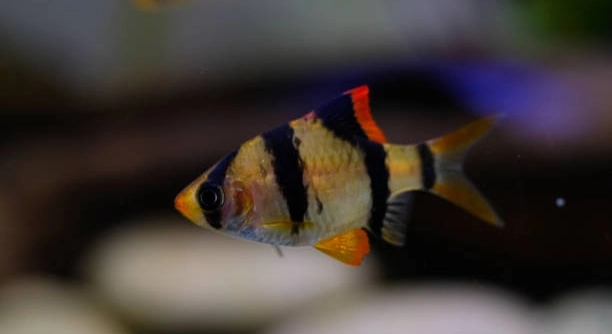
Tiger Barbs and Guppies are popular choices for home aquariums. Many fish keepers enjoy their vibrant colors and active behavior. Knowing how they interact together is important for a peaceful tank environment.
Tiger Barbs can live with guppies, but careful monitoring is necessary. Tiger Barbs are semi-aggressive and may nip at guppies’ fins, which can cause stress or injury. Proper tank size, hiding spots, and compatible group sizes help reduce conflicts.
Understanding their behaviors and tank needs can make a big difference. This article explains key points for keeping both species happy and safe together.
Behavior and Temperament of Tiger Barbs and Guppies
Tiger Barbs are known for their lively and sometimes aggressive behavior. They are active swimmers and can be quite boisterous in the tank. Guppies, on the other hand, are peaceful and gentle fish. Their flowing fins often attract attention from more aggressive species like Tiger Barbs. This difference in temperament can lead to stress for guppies if they are constantly chased or nipped at. To maintain harmony, it’s important to have enough space and hiding spots for guppies to retreat. Keeping Tiger Barbs in groups of at least six helps reduce aggression, as they focus more on each other than on other fish. Watching their interactions closely in the beginning can prevent serious problems and make adjustments easier.
Both Tiger Barbs and Guppies are social fish but require different tank environments due to their temperaments. Proper tank setup is essential for their coexistence.
When introducing Tiger Barbs to a tank with guppies, patience is key. It helps to rearrange tank decorations to confuse territory boundaries. Providing plants and decorations gives guppies places to hide. Temperature and water conditions must suit both species, as their needs slightly overlap but are not identical. Feeding them separately or with enough food reduces competition. If aggression is too high, separating the species or increasing the number of Tiger Barbs can help balance behavior. Careful observation in the first few weeks ensures a peaceful tank where both species can thrive.
Tank Setup for Tiger Barbs and Guppies
A tank of at least 20 gallons is recommended to house both species comfortably. This size allows enough swimming space and reduces stress caused by overcrowding. Good filtration and regular water changes keep the environment clean and healthy. Guppies enjoy plants, which provide shelter and breeding areas, while Tiger Barbs prefer open swimming areas with some hiding spots. A mix of live plants and decorations works best. Proper lighting helps maintain plant health and fish activity. Maintaining stable water temperature between 74°F and 78°F suits both fish well. Testing water parameters regularly keeps ammonia, nitrite, and nitrate levels safe. A well-planned tank setup supports peaceful interaction and healthy fish.
Setting up the tank carefully ensures both fish species have their needs met without conflict. This balance is important for long-term success.
Tank decorations and plant placement impact fish behavior. Hiding places reduce aggression and allow guppies to feel safe. Open swimming spaces prevent territorial disputes among Tiger Barbs. The right balance helps minimize stress and injuries.
Feeding Habits of Tiger Barbs and Guppies
Tiger Barbs are omnivores that enjoy a varied diet. They eat flakes, pellets, and live or frozen foods like bloodworms. Guppies prefer small flakes, micro pellets, and tiny live foods. Feeding them the right food helps maintain health and reduces aggression caused by competition.
A balanced diet is important for both fish to stay healthy. Tiger Barbs can be more aggressive during feeding times, so offering plenty of food spread across the tank helps. Guppies may eat slower, so feeding smaller portions multiple times a day works well. Avoid overfeeding, which leads to poor water quality and health problems.
Separating feeding areas or feeding Tiger Barbs first can reduce stress for guppies. Watching their behavior during feeding helps spot any problems early. Proper nutrition supports bright colors and active behavior in both species.
Breeding Considerations When Keeping Tiger Barbs and Guppies
Guppies breed quickly and often, sometimes leading to overcrowding if not managed. They give live birth to many fry, which need separate care. Tiger Barbs may nip at guppy fry, seeing them as food or competition, which can lower survival rates.
If breeding guppies in a community tank, adding plenty of plants and hiding spots is necessary. Using breeding traps or separate tanks helps protect the young. Tiger Barbs don’t breed easily in community tanks because of their active nature and aggression. Watching fish carefully during breeding seasons helps prevent losses and stress.
Managing breeding in a mixed tank requires planning to protect guppy fry. Balancing space and hiding places allows both species to coexist without harm to the young.
Compatibility Tips for Tiger Barbs and Guppies
Keeping Tiger Barbs with guppies requires attention to tank size and group numbers. At least six Tiger Barbs help spread out aggression. Guppies should have plenty of plants and hiding spots to reduce stress.
Regular observation is key to spotting any signs of bullying or fin nipping. Acting early can prevent bigger problems.
Water Parameters to Support Both Species
Both Tiger Barbs and guppies thrive in similar water conditions. The ideal temperature range is between 74°F and 78°F, with a pH around 6.5 to 7.5. Moderate water hardness suits both species. Consistent water quality with low ammonia and nitrites is crucial. Frequent water testing and changes maintain a healthy tank environment, which supports fish wellbeing and reduces stress-induced aggression. Stable parameters help both species adjust well and coexist peacefully.
Signs of Stress in Guppies with Tiger Barbs
Stress in guppies can show as faded colors, clamped fins, or hiding excessively. Watch for fin damage caused by Tiger Barbs’ nipping behavior. Early detection helps prevent illness and improves tank harmony.
FAQ
Can Tiger Barbs and Guppies live peacefully together?
Tiger Barbs and guppies can live together, but it depends on several factors. Tiger Barbs are semi-aggressive and may nip at guppies’ fins, which can cause stress or injury. To keep peace, it’s important to have a large enough tank, at least 20 gallons, with plenty of plants and hiding spots. Keeping Tiger Barbs in groups of six or more helps spread their aggression so they focus on each other instead of guppies. Regular monitoring is essential, especially during the first few weeks, to make sure no fish is being bullied or harmed.
Why do Tiger Barbs nip at Guppies?
Nipping behavior in Tiger Barbs is natural and often due to their playful but aggressive nature. They are known fin nippers, especially attracted to long, flowing fins like those of guppies. This behavior can be reduced by keeping Tiger Barbs in larger groups, providing enough swimming space, and distracting them with plenty of food and tank decorations. If fin nipping becomes too frequent or damaging, separating the fish may be necessary.
How big should the tank be for both fish?
A minimum of 20 gallons is recommended when keeping Tiger Barbs and guppies together. This size provides enough room for Tiger Barbs to swim actively and reduces territorial behavior. It also allows guppies to find safe hiding spots. Overcrowding increases stress and aggression, so avoid smaller tanks if mixing these species.
Do Tiger Barbs and Guppies need the same water conditions?
Yes, both species prefer similar water conditions. A temperature between 74°F and 78°F and a pH of 6.5 to 7.5 work well for both. Moderate water hardness is ideal. Regular water testing and maintenance help keep these conditions stable, reducing stress and promoting healthy fish.
Can Tiger Barbs eat guppy fry?
Tiger Barbs may see guppy fry as food, especially if there are no hiding places. Guppy fry are small and vulnerable, so they need plenty of plants or breeding traps to survive in a community tank. Separating the fry into a nursery tank is often the best way to ensure their safety.
What is the best diet for Tiger Barbs and Guppies?
Both species are omnivores. Tiger Barbs enjoy flakes, pellets, and live or frozen foods like bloodworms. Guppies prefer small flakes, micro pellets, and tiny live foods like daphnia. Feeding them several small meals a day helps reduce aggression during feeding time and keeps both healthy.
How can I reduce aggression in the tank?
Increasing the number of Tiger Barbs to at least six helps diffuse aggression since they focus more on each other. Providing plenty of plants and decorations creates hiding spots and breaks up territories. Feeding the fish well and maintaining good water quality also reduces stress and aggression. If aggression persists, consider separating the species.
Will Tiger Barbs harm guppies?
Tiger Barbs might nip at guppy fins but usually do not kill them. Constant fin nipping can cause stress, injury, and infections. Early intervention by improving tank conditions or separating fish prevents serious harm. Healthy, well-fed fish in a spacious tank tend to get along better.
How often should I check the tank water?
Testing water parameters once a week is ideal for maintaining a healthy environment. Ammonia and nitrite levels should always be zero, and nitrates kept low. Frequent water changes, about 25% weekly, keep water clean and reduce toxins that stress fish.
Are Tiger Barbs and Guppies good community tank mates?
They can be, but it depends on tank conditions and management. Tiger Barbs’ semi-aggressive behavior means careful monitoring is needed. Providing enough space, hiding spots, and feeding properly makes coexistence possible. If your goal is a peaceful community tank, consider less aggressive fish species.
Final Thoughts
Keeping Tiger Barbs and Guppies together in the same tank is possible, but it requires careful planning and attention. Tiger Barbs have a natural tendency to be a little aggressive and may nip at the delicate fins of guppies. This can cause stress and sometimes injury to the guppies if not managed properly. The key to making this combination work is providing a large enough tank with plenty of plants and decorations where guppies can hide. Having enough space and places to retreat helps reduce tension between the two species. Observing their behavior closely in the beginning will help you notice any problems early, so you can take action before the situation worsens.
A tank size of 20 gallons or more is recommended when keeping these fish together. It gives the Tiger Barbs room to swim actively and reduces territorial disputes. Also, keeping Tiger Barbs in groups of six or more can lower their aggression. When they have their own group to focus on, they are less likely to bother the guppies. Feeding both species a varied and balanced diet several times a day helps prevent competition and stress during feeding time. Regular water testing and maintenance keep the environment healthy for both fish. Stable water conditions are important to avoid stress, which can lead to illness or increased aggression.
In the end, the success of housing Tiger Barbs and Guppies together depends on your tank setup and how well you monitor their interactions. Providing enough hiding spots, space, and proper care will improve the chances of peaceful coexistence. However, it is important to be ready to separate them if aggression becomes too much. Some fish simply do not get along well in a shared space. By staying attentive and adjusting the environment as needed, you can create a safe and happy home for both Tiger Barbs and Guppies.

Hello,
If you enjoy the content that we create, please consider saying a "Thank You!" by leaving a tip.
Every little bit helps us continue crafting quality advice that supports the health, happiness, and well-being of pets around the world, for pets of all shapes, sizes, and species.
We really appreciate the kindness and support that you show us!