
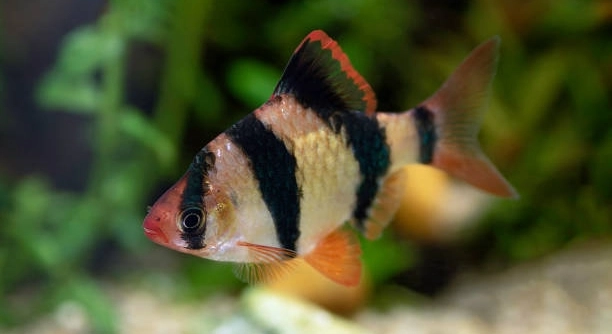
Many fish owners enjoy keeping tiger barbs for their lively behavior and striking colors. These small, active fish are popular in home aquariums. Understanding their social needs can help maintain a healthy tank environment.
Tiger barbs are social fish that thrive in groups. They can become stressed or lonely if kept alone, as their natural behavior depends on interacting with others of their kind. Group living helps reduce aggression and promotes well-being.
Knowing how to care for tiger barbs in a group setting will improve their health and happiness. This article covers essential points to keep your fish comfortable and thriving.
Do Tiger Barbs Get Lonely?
Tiger barbs are naturally social fish. In the wild, they swim in schools to protect themselves and find food. When kept alone in an aquarium, they can become stressed and behave oddly. This stress can lead to health problems or aggressive behavior. Group living gives them a sense of security and allows them to show natural behaviors like schooling and chasing. It’s important to keep at least five tiger barbs together to mimic their natural group size. Too few can cause tension as the fish compete for dominance. When they have companions, they swim actively and display vibrant colors, which means they are healthy and happy. Without other tiger barbs, they may hide, lose their color, or become lethargic. For a peaceful tank, other species that are not overly aggressive or slow-moving can also coexist with tiger barbs, but they should not replace the need for a group of their own kind.
Proper social interaction among tiger barbs reduces stress and supports their overall health in captivity.
Keeping tiger barbs in groups helps maintain balance in your aquarium. A well-planned community tank with compatible species prevents loneliness and aggression, creating a calm and lively environment for your fish.
Signs That Tiger Barbs Are Lonely
Lonely tiger barbs often act differently than those in groups. They may swim aimlessly or hide more than usual. Some show dull colors, which means they are stressed or unhappy. You might notice them refusing to eat or showing less energy. In some cases, they become aggressive toward other tank mates or their own reflection. These behaviors indicate the need for social interaction. Watching your fish closely will help you spot these signs early.
Observing behavior changes can prevent long-term health problems caused by loneliness in tiger barbs.
If your tiger barb is alone, it is best to introduce more of its kind slowly. Adding new fish helps reduce stress and encourage normal activity. Make sure your tank is large enough to support a group and provide hiding spaces to reduce conflict. A group of five or more tiger barbs typically promotes better social interaction. Keep the environment stable with clean water and proper feeding to support their social needs. Over time, you will see your tiger barbs swim energetically and display bright colors, signs they are thriving together.
How Many Tiger Barbs Should You Keep Together?
Keeping at least five tiger barbs together is ideal. Smaller groups may cause stress and aggression.
A group of five or more tiger barbs allows them to establish a natural social hierarchy without constant fighting. When in a larger group, aggression spreads out and is less likely to harm any one fish. This balance helps reduce stress and supports healthier behavior. It also encourages schooling, which makes the fish feel safe. If the group is too small, one or two fish can become targets, which leads to bullying and injury. A minimum of five tiger barbs keeps the tank peaceful and their activity level high.
A larger group also helps spread out their playful chasing behavior. This means they use energy in a positive way, keeping them active and reducing boredom. Keeping fewer than five can lead to isolation or increased aggression, making the tank less enjoyable for the fish and the owner.
Tank Setup Tips for Tiger Barbs
Tiger barbs need plenty of space and hiding spots to thrive.
A tank size of at least 20 gallons is recommended for five or more tiger barbs. This gives them enough room to swim freely and establish territories. Adding plants, rocks, and decorations creates hiding spots where shy or stressed fish can retreat. These places reduce conflict and help fish feel secure. Proper filtration and regular water changes keep the environment healthy. Maintaining stable water temperature around 74-78°F supports their natural activity levels. Lighting should mimic a natural day-night cycle to help regulate their behavior.
Regular monitoring of water quality is crucial since tiger barbs are sensitive to poor conditions. Adding a mix of fast-swimming and peaceful species can create a balanced community tank, but avoid slow-moving or long-finned fish that might be nipped. By carefully setting up the tank and maintaining good water conditions, tiger barbs will display their best colors and behavior.
Do Tiger Barbs Need Companions?
Tiger barbs naturally live in groups and rely on companionship for well-being. Without others, they can become stressed and show unhealthy behavior.
They use social interactions to reduce boredom and stay active. Keeping them alone limits their natural instincts and can lead to loneliness.
What Happens if Tiger Barbs Are Kept Alone?
A single tiger barb may become shy, lose color, or hide frequently. Lack of social interaction causes stress that affects their health. They might also become aggressive toward tank mates or their own reflection, showing signs of frustration or loneliness.
How to Introduce New Tiger Barbs
Introducing new tiger barbs slowly and carefully helps prevent stress and aggression. Quarantine new fish before adding them to the main tank to avoid disease.
Can Tiger Barbs Live with Other Fish?
Tiger barbs can live with other species that tolerate their playful nature. Avoid slow or long-finned fish that may get nipped.
Can Tiger Barbs Get Lonely?
Yes, tiger barbs can get lonely if kept alone or in very small groups. These fish are social by nature and rely on interaction with others to feel secure and display normal behavior. Loneliness can cause stress, leading to dull colors, hiding, or aggression.
How Many Tiger Barbs Should I Keep Together?
It is best to keep at least five tiger barbs together. A group of five or more helps spread out their natural aggression, allowing them to form a stable social hierarchy. Smaller groups may cause bullying and stress, which harms their health.
What Are Signs That My Tiger Barbs Are Lonely?
Lonely tiger barbs often hide, swim erratically, or lose their vibrant colors. They may also become lethargic or refuse to eat. Aggression toward tank mates or their own reflection is another sign of stress from loneliness.
Can Tiger Barbs Live Alone?
While a tiger barb can survive alone, it is not ideal. Living alone can cause boredom, stress, and poor health. They thrive best in groups where they can interact and swim actively.
What Tank Size Is Best for Tiger Barbs?
A tank of at least 20 gallons is recommended for a small group of tiger barbs. This provides enough space for swimming and helps reduce territorial aggression. Larger tanks are better if you plan to keep more fish or a community setup.
How Should I Introduce New Tiger Barbs to My Tank?
Introduce new tiger barbs slowly and carefully. Quarantine new fish before adding them to prevent disease. When adding them to the main tank, keep an eye on behavior and be ready to separate fish if aggression becomes severe.
Can Tiger Barbs Live with Other Fish?
Yes, tiger barbs can live with other active, similarly sized fish. Avoid slow-moving or long-finned species, as tiger barbs may nip at their fins. Good tank mates include danios, barbs, and certain types of tetras.
What Do Tiger Barbs Eat?
Tiger barbs eat a variety of foods like flakes, pellets, frozen, and live food. A balanced diet helps keep their colors bright and energy high. Feeding them small amounts multiple times a day is better than one large feeding.
How Can I Reduce Aggression in Tiger Barbs?
Keeping tiger barbs in groups of five or more reduces aggression by spreading out dominance behaviors. Providing plenty of hiding spots and plants also helps. Avoid overcrowding, which can increase stress and fighting.
How Do I Know My Tiger Barbs Are Happy?
Happy tiger barbs are active, swim in groups, and show bright colors. They eat well and explore the tank. You will notice them chasing each other playfully rather than bullying or hiding.
Is It Okay to Mix Tiger Barbs with Other Barbs?
Mixing tiger barbs with other types of barbs is usually fine if tank conditions suit all species. Keep an eye on interactions, as some barbs can be more aggressive. Avoid mixing with overly peaceful or delicate fish.
How Often Should I Clean the Tank for Tiger Barbs?
Regular cleaning is essential. Change about 20-30% of the water weekly to keep water quality high. Clean the filter monthly but avoid washing beneficial bacteria away. Good water quality supports healthy fish behavior and reduces stress.
Can Tiger Barbs Live in a Planted Tank?
Tiger barbs do well in planted tanks with sturdy plants. They enjoy hiding among leaves and decorations. Avoid delicate plants, as tiger barbs may nip or uproot them during their playful chasing.
What Water Temperature Do Tiger Barbs Prefer?
Tiger barbs thrive in water temperatures between 74°F and 78°F (23°C to 26°C). Keeping the temperature stable within this range helps maintain their activity level and immune health.
How Long Do Tiger Barbs Live?
With proper care, tiger barbs can live up to 5 years. Providing good water quality, a proper diet, and social companionship helps maximize their lifespan.
What Should I Do If My Tiger Barbs Are Fighting?
If fighting becomes intense, increase hiding spots and check tank size. Adding more tiger barbs to spread aggression or separating the most aggressive fish can help. Avoid sudden changes and keep water quality high to reduce stress-related fighting.
Tiger barbs are lively and social fish that do best when kept in groups. They rely on companionship to feel secure and show natural behaviors like swimming together and chasing each other playfully. Keeping them alone or in very small groups can cause stress, which often leads to health problems or aggressive behavior. Providing a group of at least five tiger barbs helps create a balanced social environment, reducing bullying and making the fish more active and colorful. A well-planned tank with enough space and hiding spots supports their social needs and overall well-being.
Maintaining good tank conditions is essential for keeping tiger barbs healthy and happy. A tank of at least 20 gallons is recommended to give them room to swim and establish their social order. Regular water changes, stable temperature, and proper filtration all contribute to a comfortable environment. Adding plants and decorations not only makes the tank look better but also offers places for the fish to hide when they feel stressed or threatened. It is also important to introduce new fish carefully to prevent fights and health issues. When tiger barbs live in a healthy, well-maintained tank with the right companions, they tend to display their best colors and active behavior.
Understanding the social nature of tiger barbs can help fish owners avoid common problems like loneliness or aggression. Watching their behavior closely allows owners to recognize signs of stress early and take action to improve the tank setup or group size. Choosing compatible tank mates and keeping a proper diet also support their happiness and longevity. Overall, providing the right social environment and care will help tiger barbs live a healthy, active life in the aquarium. This simple approach benefits both the fish and the person caring for them.

Hello,
If you enjoy the content that we create, please consider saying a "Thank You!" by leaving a tip.
Every little bit helps us continue crafting quality advice that supports the health, happiness, and well-being of pets around the world, for pets of all shapes, sizes, and species.
We really appreciate the kindness and support that you show us!