
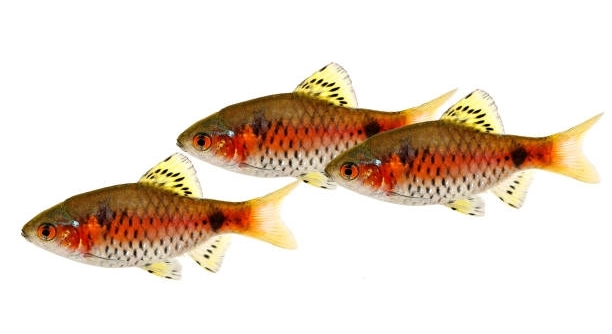
Rosy barbs are popular freshwater fish known for their bright colors and active behavior. Many beginners enjoy keeping them but often find their actions puzzling or unexpected. Understanding these behaviors can make caring for rosy barbs easier and more enjoyable.
Rosy barbs display several behaviors that commonly confuse beginners, such as frequent darting, fin nipping, schooling tightly, surface gulping, hiding, territorial disputes, and sudden color changes. These actions are natural and serve various social, environmental, and health-related purposes in their habitat.
Recognizing these behaviors will help improve your care routine and create a better environment for your rosy barbs to thrive. This article explains each action clearly and simply for beginner fish keepers.
Frequent Darting
Rosy barbs often dart quickly around the tank, which can startle beginners. This fast movement is usually a sign of excitement or exploration. They might be reacting to new surroundings or changes in water conditions. Sometimes, darting happens when they are chasing food or interacting with other fish. However, excessive darting can also indicate stress or poor water quality. It’s important to observe your fish regularly to notice any changes in behavior. Ensuring stable water parameters and providing hiding spots can reduce stress. In many cases, darting is just part of their natural energetic behavior, showing they are active and healthy. Giving them enough space to swim freely helps them stay comfortable and reduces aggressive chasing.
This darting is normal but should not be constant or frantic. Watch for other signs of distress to keep your rosy barbs healthy.
Keeping water clean and maintaining a calm environment will help minimize stress-related darting.
Fin Nipping
Fin nipping is a common behavior where rosy barbs bite or nip at the fins of other fish. This can confuse beginners because it looks aggressive but is often a way for barbs to establish social order. In some cases, nipping happens due to overcrowding or boredom. Barbs are active swimmers, and if they don’t have enough space or stimulation, they may nip fins to get attention or show dominance. It’s important to monitor tank size and the number of fish to reduce this behavior. Adding plants or decorations for hiding spots can distract them and prevent fin damage. While fin nipping can be annoying, it rarely causes serious harm if managed early.
Nipping is usually about establishing hierarchy and can be controlled with proper tank conditions.
To reduce fin nipping, keep your tank spacious and enriched to keep barbs engaged and less aggressive.
Schooling Tightly
Rosy barbs often swim close together in tight groups, which may confuse beginners. This behavior is natural and helps them feel safe. Schooling reduces stress and protects them from perceived threats.
Swimming in a group offers rosy barbs protection and comfort. In the wild, this behavior helps them avoid predators. In the aquarium, schooling helps reduce aggression among tank mates. When they stay close, it shows they are comfortable with their environment and feel secure. If they start to swim separately, it may indicate stress or illness. Providing enough space in the tank encourages natural schooling behavior. Watching them swim together also adds to the visual appeal of the aquarium.
Tightly schooling fish signal social bonds and overall wellbeing. Encouraging this behavior helps maintain harmony in the tank. Group sizes of at least six are recommended for rosy barbs.
Surface Gulping
Surface gulping is often seen in rosy barbs as they come up for air. This behavior might worry beginners but is usually normal. It can occur when oxygen levels are low or the water surface lacks movement.
When rosy barbs frequently gulp at the surface, it often points to oxygen shortage in the tank water. This may happen if the tank is overcrowded, or there is poor water circulation. Adding an air stone or increasing filtration can improve oxygen levels. Also, keeping the water clean and avoiding excess organic waste reduces oxygen depletion. While occasional surface gulping is normal, constant gulping means you should check water quality. It’s also important to keep the surface film-free by gently stirring or using a filter that agitates the surface.
Maintaining good oxygen levels ensures your barbs stay healthy and active. Proper tank care limits surface gulping and promotes better breathing.
Hiding Behavior
Rosy barbs may suddenly hide among plants or decorations. This usually happens when they feel threatened or stressed.
Hiding can also occur during rest periods or when they want to avoid aggressive tank mates. Providing enough cover helps reduce stress and keeps them feeling safe.
Territorial Disputes
Territorial disputes occur when rosy barbs defend a specific area in the tank. This is more common in smaller tanks or crowded conditions. They may chase or nip other fish to claim their space. Separating aggressive individuals or increasing tank size often solves this issue.
Maintaining proper tank size and group numbers reduces territorial conflicts and helps maintain peace in your aquarium.
Sudden Color Changes
Rosy barbs sometimes change color quickly. This can be a sign of mood, stress, or environmental changes.
Color shifts often occur when fish feel threatened or excited. Monitoring water quality and tank conditions helps prevent stressful color changes.
What causes rosy barbs to nip fins?
Fin nipping among rosy barbs usually happens because of social dominance or overcrowding. When the tank is too small or too crowded, barbs compete for space, which can lead to nipping. Boredom can also cause this behavior; without enough stimulation, barbs may nip fins to get attention or release energy. Sometimes, the species mix matters—certain fish may provoke barbs or be more sensitive to their behavior. To reduce fin nipping, provide a large tank with enough room for all fish and include plants or decorations to break sight lines. Keeping a proper group size, ideally six or more rosy barbs, also helps spread aggression and lowers the chance of constant nipping.
How often should I feed rosy barbs?
Rosy barbs should be fed small amounts two to three times daily. Overfeeding can cause poor water quality and stress, so it’s better to give smaller portions that they can finish within a few minutes. A varied diet of flakes, pellets, and occasional live or frozen foods like bloodworms or brine shrimp helps keep them healthy and colorful. Removing leftover food after feeding prevents decay and maintains water cleanliness. Watch their behavior to adjust feeding amounts; if they appear hungry shortly after feeding, you can increase portions slightly. Consistent feeding times also help create a routine for your fish.
Why do rosy barbs sometimes gasp at the water surface?
Gasping at the water surface is usually a sign of low oxygen levels. This can happen in tanks with poor circulation, overcrowding, or high water temperatures. Warm water holds less oxygen, so keeping the temperature stable and within the ideal range (around 64–72°F or 18–22°C) helps. Using an air stone or increasing filter output improves oxygenation. Also, avoid excess organic waste by regular cleaning and water changes. If gasping happens frequently, test your water for ammonia, nitrites, and nitrates, since poor water quality can cause breathing difficulties. Surface agitation from filters or pumps encourages gas exchange, reducing gasping behavior.
Are rosy barbs aggressive toward other fish?
Rosy barbs can show mild aggression, especially when kept in small groups or crowded tanks. They may nip fins and chase slower or long-finned fish like angelfish or bettas. This behavior is often more about social dominance than true aggression. Keeping them in groups of six or more spreads out their energy and reduces bullying. Providing plenty of swimming space and hiding spots also minimizes conflicts. Choosing tank mates that are fast and robust usually works best with rosy barbs. Monitoring your fish regularly helps spot aggression early, allowing you to separate individuals if needed.
Why do rosy barbs change color suddenly?
Color changes in rosy barbs happen due to stress, mood, or water quality. When they feel threatened or uncomfortable, their colors may fade or darken. Bright colors often indicate good health and comfort, while dull or blotchy patterns suggest stress or illness. Changes in lighting, temperature, or water parameters can trigger these shifts as well. Maintaining stable water conditions and avoiding sudden changes helps keep their colors vibrant. If a color change is accompanied by other signs like lethargy or loss of appetite, it may be a health issue requiring attention. Stress reduction and proper care usually restore their natural color.
How can I prevent rosy barbs from darting excessively?
Excessive darting often results from stress, overcrowding, or sudden changes in the environment. Barbs need enough swimming space to feel comfortable; a cramped tank causes restlessness. Bright or flashing lights can also startle them, so adjusting lighting intensity helps. Make sure water conditions are stable, with regular testing and maintenance. Providing hiding places like plants or decorations gives them spots to relax and reduce anxiety. Feeding on a schedule reduces frantic searching for food. If darting continues despite these efforts, check for aggressive tank mates that may be causing fear or disturbance.
What tank size is ideal for rosy barbs?
A minimum tank size of 30 gallons is recommended for a small group of rosy barbs. Since they are active swimmers, they need ample space to move freely. Larger tanks allow for more stable water conditions and reduce aggression by giving each fish enough territory. Adding plants and hiding places helps break up the space and lowers stress. For bigger groups, increase the tank size accordingly, aiming for at least 10 gallons per additional fish. Avoid overcrowding, which leads to poor water quality and behavioral problems. A proper tank size is key to keeping rosy barbs healthy and happy.
Do rosy barbs require special water conditions?
Rosy barbs prefer slightly hard, neutral to slightly alkaline water with a pH around 7.0 to 8.0. They thrive in temperatures between 64°F and 72°F (18–22°C). Consistent water quality with low ammonia and nitrite levels is essential. Regular water changes and good filtration keep their environment stable. Avoid rapid temperature or pH swings, as these stress the fish and can cause illness. While rosy barbs tolerate a range of conditions, maintaining these parameters closely mimics their natural habitat and supports long-term health.
Can rosy barbs live with other fish species?
Yes, rosy barbs are generally peaceful but can nip fins, so tank mates should be chosen carefully. Suitable companions include other active, similarly sized fish like danios, swordtails, and barbs of other species. Avoid slow-moving or long-finned fish that may become targets. Ensure all fish share similar water parameter needs to avoid stress. Keeping rosy barbs in groups of six or more reduces aggression toward other species. Providing enough space and hiding spots minimizes conflicts and helps maintain harmony.
How often should I clean my rosy barb tank?
Regular cleaning is essential to keep the tank healthy. Partial water changes of 20–30% every one to two weeks are recommended. This removes waste, excess nutrients, and keeps water chemistry stable. Vacuum the substrate to remove debris and uneaten food. Clean filter media gently with tank water during maintenance to preserve beneficial bacteria. Avoid overcleaning, as this can disrupt the tank’s balance. Consistent cleaning reduces stress and disease risk, promoting a healthy environment for your rosy barbs. Monitoring water parameters helps determine if more frequent maintenance is needed.
When keeping rosy barbs, understanding their natural behaviors can greatly improve your experience as an aquarium owner. These fish have unique actions like darting quickly, schooling tightly, or nibbling on fins that often confuse beginners. Recognizing that these behaviors are normal and serve important purposes helps reduce worry. Rosy barbs use these actions to communicate, protect themselves, or respond to their environment. Providing the right tank conditions, such as adequate space, clean water, and hiding spots, supports their health and reduces stress-related behaviors. Knowing what to expect makes it easier to care for them properly and enjoy their lively presence in your home aquarium.
Proper care involves maintaining good water quality and a suitable environment for rosy barbs to thrive. Regular water changes, stable temperature, and balanced diet play a vital role in keeping these fish healthy and colorful. It is also important to keep them in groups of six or more because they are social fish. Being in a group reduces aggression and encourages natural schooling behavior. When the tank setup mimics their natural habitat, rosy barbs show their best colors and act calmly. Watching their behavior regularly helps detect any early signs of illness or stress so you can address problems quickly. A well-maintained tank benefits both the fish and the owner by creating a peaceful and enjoyable aquarium.
In summary, rosy barbs can be fascinating pets once you understand their habits and needs. Their confusing behaviors are often signs of normal activity or ways they interact with their environment. By paying attention to tank conditions, group size, and their natural instincts, you can create a healthy and stable home for them. This knowledge helps avoid common mistakes and supports the well-being of your fish. With proper care, rosy barbs can brighten any aquarium with their vibrant colors and lively movements, making them a rewarding choice for fish keepers at any experience level.

Hello,
If you enjoy the content that we create, please consider saying a "Thank You!" by leaving a tip.
Every little bit helps us continue crafting quality advice that supports the health, happiness, and well-being of pets around the world, for pets of all shapes, sizes, and species.
We really appreciate the kindness and support that you show us!