
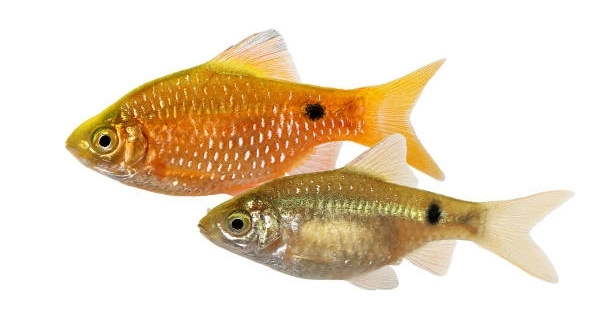
Rosy barbs are lively fish that benefit from a well-stimulated environment. Their tanks need more than just water and food to keep them active and healthy. Enrichment can improve their behavior and overall well-being.
Providing enrichment for rosy barb tanks involves adding plants, hiding spots, varied decorations, and interactive elements. These features encourage natural behaviors, reduce stress, and promote physical activity, leading to healthier and more vibrant fish.
These simple ideas will help create a more engaging and comfortable home for your rosy barbs. Enhancing their environment supports both their health and happiness.
Adding Live Plants for Natural Shelter
Live plants provide rosy barbs with natural hiding spots and improve water quality by absorbing toxins. Plants like Java fern, Anubias, and hornwort are easy to care for and thrive in similar conditions to rosy barbs. The plants create a more natural environment that encourages exploration and reduces stress. Fish feel safer when they have places to hide, especially during rest or when feeling threatened. Additionally, live plants help oxygenate the water, which benefits the fish’s health. Including a variety of plants with different heights and textures keeps the tank visually interesting and mimics the rosy barbs’ natural habitat. This addition enhances their comfort and helps maintain a balanced ecosystem in the tank.
Adding live plants benefits fish behavior and water quality in a straightforward way.
Planted tanks not only look better but also create an enriching environment that promotes the rosy barbs’ natural habits. The presence of plants encourages swimming through leaves and stems, which provides mental stimulation. It also offers shelter from bright lighting or more aggressive tank mates. The roots of live plants help stabilize the substrate, preventing harmful debris buildup. Maintaining the plants requires some regular care, but the positive effects on the tank ecosystem and fish behavior make it worthwhile. Live plants contribute to a healthier, more vibrant tank that your rosy barbs will appreciate every day.
Creating Hiding Spots with Decorations
Decorations such as caves, driftwood, and rocks offer important shelter areas.
Using natural-looking decorations adds structure and security to the tank. Fish use these spots to rest and hide from perceived threats. Driftwood and rocks also provide surfaces for beneficial bacteria to grow, which improves water quality. Choose smooth items without sharp edges to avoid injury. Grouping decorations together creates cozy retreats and helps break up open swimming spaces, encouraging more active and confident behavior. Changing or rearranging decorations occasionally can add new interest for the fish. A well-decorated tank with multiple hiding places reduces stress and fosters a healthy environment.
Placing hiding spots benefits rosy barbs by providing refuge and encouraging natural behavior.
Decorations serve multiple purposes beyond aesthetics. They offer shelter from bright lights or dominant fish, allowing shy or stressed rosy barbs to relax. Driftwood releases tannins, which can slightly soften water and lower pH, closer to their natural habitat conditions. Rocks and caves also encourage territorial behaviors and stimulate exploration. Having several hiding options allows fish to choose their preferred shelter based on mood and social interactions. This variety prevents overcrowding in one spot and helps maintain peace among tank mates. Overall, decorations play a key role in keeping rosy barbs comfortable, active, and less stressed.
Introducing Floating Plants
Floating plants provide shade and reduce light intensity in the tank, creating a calmer environment. They also offer additional surfaces for fish to explore and hide beneath. Popular choices include duckweed, water lettuce, and frogbit, all of which help maintain water quality by absorbing excess nutrients.
Floating plants soften bright aquarium lighting, making rosy barbs feel more secure and less stressed. These plants create natural shade and cover, which is especially helpful if the tank is in a sunny room. They also reduce algae growth by limiting sunlight penetration. The roots of floating plants provide surfaces where small microorganisms grow, contributing to a balanced tank ecosystem. Maintaining floating plants involves occasional thinning to prevent overcrowding but adds valuable enrichment with minimal effort.
The extra shade and texture introduced by floating plants encourage rosy barbs to swim more naturally. They dart in and out of the root masses, enhancing their activity and curiosity. This kind of environmental complexity mimics the soft, dappled light conditions found in their natural habitat. Floating plants also help with water oxygenation during the day. The gentle movement of their roots and leaves creates subtle currents that further stimulate fish activity. Overall, they improve tank aesthetics and enrich the fish’s daily experience.
Providing Varied Diet Options
Offering a variety of foods, including flakes, pellets, frozen, and live options, supports rosy barbs’ health and natural feeding behavior. Variety encourages more active foraging and reduces boredom in captivity.
A varied diet ensures that rosy barbs receive all necessary nutrients for growth, color vibrancy, and immune support. Live foods like brine shrimp and daphnia stimulate their natural hunting instincts, while flakes and pellets provide balanced nutrition. Including occasional vegetable matter, such as blanched spinach or zucchini, adds fiber and promotes digestive health. Feeding different textures and types encourages natural foraging behavior, keeping fish mentally engaged. This variety helps prevent dietary deficiencies and supports overall vitality.
Feeding a diverse diet also prevents selective eating and food competition among tank mates. When fish are offered multiple food choices, they tend to eat more evenly and are less likely to become aggressive over food. This balanced approach to feeding supports social harmony and reduces stress in the tank. It also helps owners monitor fish health, as changes in appetite or preference may indicate potential issues. Regularly changing the diet slightly keeps rosy barbs interested and thriving in their environment.
Using Gentle Water Flow
Gentle water flow simulates natural river currents, encouraging rosy barbs to swim actively. It helps distribute oxygen evenly and keeps the tank environment healthy.
Adjusting flow strength with a sponge filter or adjustable pump ensures the current is not too strong for these medium-sized fish. It promotes exercise without causing stress.
Introducing Floating Toys and Mirrors
Floating toys and mirrors stimulate rosy barbs’ curiosity and reduce boredom. Mirrors can trigger social behaviors, while floating toys encourage exploration and interaction within the tank.
These additions provide mental stimulation and mimic challenges fish might face in the wild, improving their overall activity and alertness.
Regular Tank Rearrangement
Changing the tank layout every few weeks keeps the environment fresh and engaging for rosy barbs. New arrangements encourage exploration and prevent territorial disputes.
Small changes like moving decorations or plants create new hiding spots and swimming paths, promoting natural behaviors.
Using Backgrounds on the Tank
Applying a background to the tank reduces external distractions. It helps shy rosy barbs feel safer and more secure.
A natural-themed background can also enhance the tank’s appearance without disturbing the fish.
How often should I rearrange decorations in a rosy barb tank?
Rearranging decorations every 3 to 4 weeks keeps the environment stimulating for rosy barbs. It encourages them to explore new spaces and reduces boredom. Small changes, like moving plants or caves, can make a big difference in their activity levels without stressing the fish. Avoid drastic changes all at once to prevent stress.
What types of live plants work best with rosy barbs?
Plants such as Java fern, Anubias, and hornwort are ideal because they are hardy and easy to care for. These plants tolerate the moderate water flow rosy barbs prefer and provide good cover. Floating plants like duckweed also help by adding shade and surface area. Avoid delicate plants that may be uprooted easily by active fish.
Can rosy barbs live with other fish?
Yes, rosy barbs are generally peaceful but can be fin-nippers if kept in small groups or with slow-moving species. Keeping them in schools of at least six helps reduce aggression. Compatible tank mates include danios, tetras, and other fast-moving fish. Avoid slow or long-finned species to prevent stress or injury.
How important is diet variety for rosy barbs?
Diet variety is crucial for their health and well-being. Offering flakes, pellets, live foods, and vegetables provides balanced nutrition and keeps feeding time interesting. Live foods like brine shrimp encourage natural hunting behavior, while plant matter aids digestion. Consistent variety helps maintain their vibrant colors and energy levels.
What is the ideal water flow for rosy barb tanks?
Moderate, gentle water flow best mimics their natural habitat. Too strong a current can stress them, while stagnant water reduces oxygen levels. Using adjustable filters or sponge filters allows control of flow strength, ensuring active swimming without overwhelming the fish. Flow also helps keep the water clean and oxygenated.
Do floating plants affect water quality?
Yes, floating plants help improve water quality by absorbing excess nutrients and reducing algae growth. Their roots provide surfaces for beneficial bacteria, enhancing the biological filtration of the tank. However, they need regular thinning to prevent overcrowding, which could block light and reduce oxygen exchange.
How can I reduce stress in my rosy barbs?
Providing hiding places, live plants, gentle water flow, and a varied diet all help lower stress. Maintaining stable water parameters and avoiding sudden changes in the tank environment is important. Keeping rosy barbs in groups and providing enrichment encourages natural behavior and reduces anxiety.
Are mirrors safe for rosy barbs?
Mirrors can be used occasionally to stimulate social behavior, but they should not be left in the tank long-term. Prolonged exposure to their own reflection may cause stress or aggression. Short sessions with mirrors can keep fish engaged but should be monitored carefully.
How do decorations improve rosy barb health?
Decorations offer shelter, reduce aggression, and encourage natural behaviors like exploring and hiding. They create secure spaces that help rosy barbs feel safe. Certain materials like driftwood can also release beneficial tannins, which mildly soften the water and improve fish health.
What signs show that enrichment is working?
Active swimming, regular exploration of the tank, and bright colors indicate healthy, engaged rosy barbs. Reduced hiding and less aggressive behavior also suggest the environment is meeting their needs. If fish seem lethargic or stressed, it may be time to adjust enrichment features.
Creating a comfortable and stimulating environment for rosy barbs is essential to their well-being. These fish thrive in tanks that offer variety, shelter, and opportunities for natural behaviors. Adding live plants, decorations, and gentle water flow helps mimic their natural habitat and reduces stress. By providing hiding spots and shaded areas, the fish feel more secure and are more likely to stay active and healthy. These simple changes improve both the fish’s quality of life and the overall appearance of the aquarium.
Diet also plays a key role in keeping rosy barbs happy and healthy. Offering a varied diet with flakes, pellets, live foods, and vegetables meets their nutritional needs and keeps them engaged during feeding time. Live foods encourage their natural hunting instincts, which adds mental stimulation. Feeding different types of food prevents boredom and supports good growth and vibrant colors. A well-fed and well-stimulated rosy barb is less prone to illness and behaves more naturally.
Regular attention to the tank setup, such as rearranging decorations and managing plants, maintains a fresh and enriching environment. Changing the layout occasionally encourages exploration and reduces stress caused by territorial disputes. Monitoring water quality and ensuring a balanced ecosystem also contribute to the long-term health of your fish. Overall, providing enrichment for rosy barbs requires some effort, but the positive effects on their behavior, health, and appearance are worth it. A thoughtful and enriched tank creates a more enjoyable experience for both the fish and the keeper.

Hello,
If you enjoy the content that we create, please consider saying a "Thank You!" by leaving a tip.
Every little bit helps us continue crafting quality advice that supports the health, happiness, and well-being of pets around the world, for pets of all shapes, sizes, and species.
We really appreciate the kindness and support that you show us!