
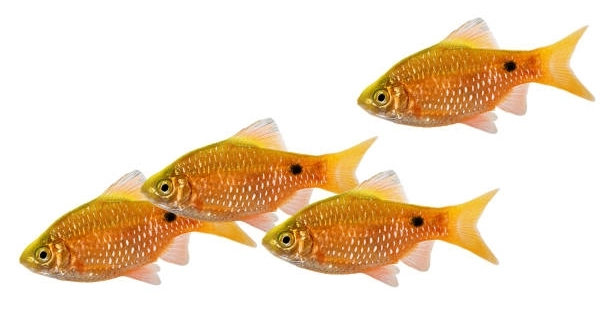
Rosy Barbs are popular freshwater fish known for their lively colors and active behavior. However, they can sometimes show aggression, which can disrupt the harmony in your aquarium. Recognizing early signs helps maintain a peaceful tank environment.
Aggression in Rosy Barbs often manifests through fin nipping, chasing, and territorial displays. These behaviors are usually triggered by overcrowding, lack of hiding spaces, or dominance struggles. Early identification allows timely intervention to reduce stress and injury among tank mates.
Knowing these warning signs will help you keep your Rosy Barbs and other fish safe. Proper care and environment adjustments can prevent problems before they escalate.
Common Signs of Rosy Barb Aggression
Rosy Barbs often show aggression by chasing other fish around the tank. They may nip at fins, especially those with long or flowing tails. You might notice damaged or torn fins on tank mates if aggression is happening. Sometimes, Rosy Barbs establish territories, guarding certain spots aggressively. This behavior tends to increase in smaller tanks or when the group size is too low. Stress from overcrowding or poor water quality can also trigger aggressive actions. Providing plenty of hiding places and keeping the group size balanced helps reduce these behaviors. Watching your fish daily allows you to spot changes early before injuries occur. The key is to create an environment where Rosy Barbs feel secure but not dominant.
Aggression signs often appear as chasing and fin nipping. These behaviors can harm other fish and indicate stress or discomfort.
Early recognition of these signs helps maintain harmony. Adjusting tank setup or adding more fish can calm aggressive Rosy Barbs and protect their tank mates.
Managing and Preventing Aggression
Controlling Rosy Barb aggression requires attention to tank conditions. Keep the tank spacious enough, ideally over 30 gallons, to provide ample swimming room. Overcrowding often increases stress and territorial disputes. Adding plants, rocks, or decorations creates hiding spots where less aggressive fish can escape. Maintaining good water quality is essential, as poor conditions heighten stress and irritability. Feeding your fish well also reduces competition for food, which can trigger fights. Grouping Rosy Barbs in schools of six or more spreads out aggression and lowers tensions. Avoid mixing them with very small or slow-moving fish prone to fin nipping. Monitoring behavior regularly helps catch aggression early. When aggression persists, consider separating the most aggressive fish or rearranging the tank layout to disrupt established territories. These steps help ensure a calmer, healthier aquarium environment.
How Tank Size Affects Aggression
Smaller tanks tend to increase aggression in Rosy Barbs due to limited space and territorial disputes.
A tank under 30 gallons may not provide enough room for Rosy Barbs to swim freely or establish separate territories. Crowding can cause stress, which triggers more chasing and fin nipping. Larger tanks help spread out the fish and reduce conflicts by giving each fish space to feel secure. It’s important to balance tank size with the number of fish you keep to maintain peaceful interactions. Adding plants and decorations can also help break lines of sight and lower aggression.
When space is tight, Rosy Barbs become more aggressive as they compete for territory and resources. Adjusting tank size or stocking levels can reduce this behavior and improve overall tank harmony.
Impact of Tank Mates on Aggression
Choosing compatible tank mates plays a big role in managing Rosy Barb aggression. Avoid small, slow-moving fish that are easy targets for nipping. Fast and robust fish with similar activity levels are better companions. Mixing different species that occupy various tank levels helps reduce competition. Peaceful, schooling fish usually keep aggression in check by balancing social interactions. Introducing more Rosy Barbs can spread aggression within the group rather than focusing on one fish. Observe interactions carefully and be ready to separate fish if fights escalate. Proper selection of tank mates ensures a balanced and calm community aquarium, reducing stress for all fish.
Feeding Habits and Aggression
Uneven feeding can cause competition among Rosy Barbs. Dominant fish may chase others away from food.
Feeding smaller amounts multiple times a day helps reduce fighting. A well-fed group is less likely to show aggressive behavior over food.
Stress Factors That Trigger Aggression
Stress from poor water quality, sudden changes, or overcrowding increases aggression in Rosy Barbs. Maintaining stable conditions is essential to keep fish calm.
Regular water testing and timely changes prevent stress. Avoid overcrowding to reduce competition and territorial behavior.
Recognizing Early Warning Behaviors
Watch for frequent chasing, fin nipping, and hiding among your fish. These signs often precede serious aggression.
When to Separate Aggressive Fish
If aggression causes injury or constant stress, separating the aggressive fish is necessary to protect others.
FAQ
Why are my Rosy Barbs suddenly aggressive?
Sudden aggression in Rosy Barbs is often linked to changes in their environment. This can include overcrowding, poor water quality, or lack of hiding spaces. Stress from these factors makes them more territorial and likely to chase or nip at other fish. Sometimes aggression rises during breeding periods when they protect spawning sites. Adjusting tank conditions or adding more space usually helps calm them down.
How can I reduce aggression in my Rosy Barb tank?
Improving tank size and layout is key. Make sure the tank is large enough, ideally 30 gallons or more, to give each fish space. Add plants, rocks, or decorations for hiding spots. Keep Rosy Barbs in groups of six or more to spread aggression evenly. Regular feeding with balanced portions reduces food competition. Also, maintain clean water with stable parameters to lower stress.
Is fin nipping normal behavior for Rosy Barbs?
To some degree, yes. Rosy Barbs are active and curious, and fin nipping can happen as part of their social behavior. However, constant or aggressive fin nipping is a warning sign of stress or overcrowding. If you notice damaged fins or fish hiding, it’s time to check tank conditions and consider adjustments.
Can mixing other fish species help with aggression?
Choosing the right tank mates can reduce aggression. Avoid slow-moving or long-finned fish, which are easy targets. Fast, peaceful fish that swim at different levels can coexist well with Rosy Barbs. Adding more Rosy Barbs spreads out aggression within their group instead of focusing on other species.
What tank size is best to prevent aggression?
A tank of at least 30 gallons is recommended for a small school of Rosy Barbs. Larger tanks provide enough swimming space and help break up territories. Smaller tanks often lead to stress and increased fighting, as fish feel cramped and territorial.
How often should I feed Rosy Barbs to avoid aggression?
Feeding smaller amounts two to three times a day works best. This keeps all fish well-fed and reduces competition at feeding times. Uneven feeding encourages dominant fish to chase others away, so spreading out meals helps keep peace.
What water conditions cause Rosy Barb aggression?
Poor water quality, including high ammonia, nitrite, or nitrate levels, stresses fish and raises aggression. Sudden changes in temperature or pH can also trigger fights. Maintaining stable, clean water with regular testing and changes is essential to prevent these issues.
When should I separate aggressive Rosy Barbs?
If aggression causes physical injury or constant stress to other fish, separation is necessary. Use a separate tank or divider to isolate the aggressive individual. This protects the health of the entire aquarium community and helps calm the aggressive fish.
Are there behavioral signs before aggression starts?
Yes, watch for increased chasing, fin nipping, or fish hiding more than usual. These behaviors signal rising tension in the tank. Addressing these early signs by adjusting environment or group size can prevent serious aggression.
Can Rosy Barb aggression be completely stopped?
Aggression can rarely be eliminated entirely since it’s part of their natural behavior. However, it can be managed well by controlling tank size, stocking, and environment. Proper care and observation will keep aggression at manageable levels, ensuring a peaceful tank.
Rosy Barbs are lively and beautiful fish that add color and movement to any aquarium. Their natural behavior includes some level of aggression, especially when they feel crowded or stressed. Understanding the warning signs of aggression helps create a better environment for all fish in the tank. By observing their behavior closely, it becomes easier to notice when something is wrong before it leads to serious problems. Paying attention to chasing, fin nipping, or territorial actions gives a chance to act early and protect the health of your fish.
Maintaining the right tank conditions is key to managing aggression. Providing enough space, clean water, and hiding places can reduce stress and competition among Rosy Barbs. Keeping them in groups of six or more also helps spread out aggressive behavior instead of focusing on a single fish. Proper feeding routines that ensure all fish get enough food prevent fights over meals. Choosing compatible tank mates that can handle the active nature of Rosy Barbs further supports a peaceful community. These steps work together to keep your aquarium calm and healthy.
Aggression is a natural part of Rosy Barb behavior, but it doesn’t have to cause harm or constant stress. By creating a suitable environment and watching for early warning signs, you can reduce aggressive episodes. Sometimes separating a very aggressive fish may be necessary to protect others. Overall, understanding and managing Rosy Barb aggression leads to a better experience with these lively fish. A calm tank means happier fish and a more enjoyable aquarium to care for and watch.

Hello,
If you enjoy the content that we create, please consider saying a "Thank You!" by leaving a tip.
Every little bit helps us continue crafting quality advice that supports the health, happiness, and well-being of pets around the world, for pets of all shapes, sizes, and species.
We really appreciate the kindness and support that you show us!