
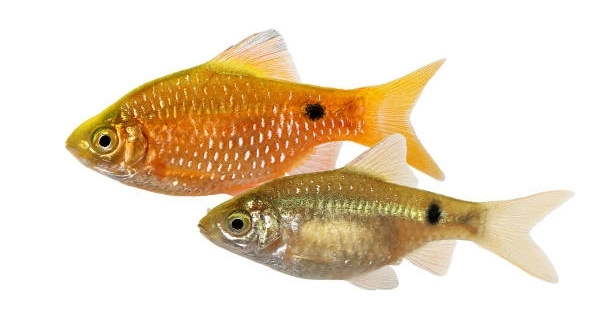
Rosy barbs are lively fish often found in home aquariums. Sometimes, these colorful fish gather closely in one corner of the tank. This behavior can seem odd or worrying for fish owners.
Rosy barbs crowd one corner mainly due to stress, poor water conditions, or lack of hiding spots. These factors cause the fish to seek safety and comfort together, indicating that their environment needs attention and improvement.
Learning about these causes will help you create a better home for your rosy barbs. Understanding their behavior can lead to a healthier and happier tank for your fish.
Common Reasons Rosy Barbs Crowd One Corner
When rosy barbs gather tightly in one corner of the tank, it usually signals discomfort. One main reason is poor water quality. High ammonia, nitrite, or nitrate levels can make fish feel unsafe. Another factor is sudden changes in temperature or pH levels. These changes stress the fish and cause them to stick together for comfort. Lack of plants or hiding spots can also make them feel exposed. Without enough places to explore or hide, rosy barbs may cluster in a small area where they feel more secure. Sometimes, the fish are simply resting or sleeping in a group, but this is less common. Watching for other signs like gasping, clamped fins, or lethargy can help confirm if there is a problem. It’s important to test the water regularly and maintain a stable environment to keep rosy barbs healthy and active.
Water quality is a key factor to monitor closely for any signs of fish stress or illness.
Proper tank maintenance can prevent most issues that cause this behavior in rosy barbs.
How to Improve Your Rosy Barbs’ Environment
Keeping water clean and stable is the first step to stop rosy barbs from crowding in one corner. Regular water changes and proper filtration help maintain safe levels of ammonia and nitrates. Adding live plants or decorations gives the fish places to hide and explore, making them feel more secure. It also breaks up open spaces, encouraging the fish to spread out more evenly. Maintaining a steady temperature and pH level is important too. Sudden changes can stress the fish and cause unusual behavior. Watching your fish daily helps you notice if something is wrong early. If you see other signs like loss of appetite or odd swimming, it’s good to check water conditions immediately. Making these changes will create a calm, healthy tank where rosy barbs feel comfortable to swim freely and display their beautiful colors.
Signs That Rosy Barbs Are Stressed
Stress makes rosy barbs behave differently than usual. Crowding in one corner is one sign, but there are others. Look for rapid breathing, clamped fins, or hiding more than normal. These signs often mean the fish are uncomfortable or unwell.
When stressed, rosy barbs may lose their bright colors and become less active. They might swim erratically or stay near the water surface. Stress can weaken their immune system, making them prone to disease. If you notice these behaviors, testing water quality and tank conditions is important. Fixing any issues quickly will help reduce their stress and improve their health.
Stress is usually caused by poor water conditions, overcrowding, or sudden changes in the tank. Keeping the environment stable and comfortable will reduce these negative behaviors. Observing your fish regularly allows early detection and prevents bigger problems.
Feeding and Social Behavior Impact on Rosy Barbs
Feeding routines can affect where rosy barbs gather. If food is always placed in one spot, the fish will crowd there during feeding times. Uneaten food can also pollute the water, increasing stress and illness risks. Offering food in different areas may encourage the fish to spread out more.
Rosy barbs are social fish that naturally swim in groups, but overcrowding can lead to competition and stress. Ensuring enough space in the tank and keeping the right number of fish helps reduce crowding. Adding other compatible fish species can also balance social dynamics. Social stress and feeding habits together influence the fish’s behavior and where they prefer to stay in the tank. Monitoring these factors can improve their comfort and reduce corner crowding.
Tank Size and Space Considerations
A small tank limits where rosy barbs can swim and often causes crowding. They need enough room to move freely and avoid stress.
Overcrowding reduces oxygen levels and increases waste buildup. This makes the fish uncomfortable and more likely to group in one corner for space.
Importance of Regular Water Testing
Regularly testing your tank’s water helps detect harmful chemicals early. Monitoring ammonia, nitrite, nitrate, and pH levels keeps the environment safe. Unstable water conditions quickly stress rosy barbs, causing unusual behaviors like corner crowding. Consistent testing ensures timely water changes and adjustments, promoting healthier fish and a balanced tank.
Adding Hiding Places and Decorations
Providing plants, rocks, or decorations offers rosy barbs safe spots. These hiding places reduce stress and encourage natural behavior.
Temperature Stability
Sudden temperature changes unsettle rosy barbs and cause them to group tightly.
FAQ
Why do rosy barbs crowd in one corner even if the water looks clean?
Water may appear clean but still have harmful levels of ammonia, nitrites, or nitrates. These chemicals stress fish and make them seek safety by clustering together. It’s important to test water regularly, even if it looks clear. Sometimes, subtle changes in temperature or pH can also cause this behavior.
Can overcrowding cause rosy barbs to gather in one spot?
Yes, overcrowding often forces fish into tight spaces. When there are too many fish for the tank size, they compete for space and shelter. This stress leads to them grouping together in corners or hiding places. Providing enough space and keeping a proper number of rosy barbs helps prevent this.
Is it normal for rosy barbs to rest in one corner sometimes?
Rosy barbs do rest, and occasionally resting in one corner is normal. However, if they stay there for long periods or show other signs of stress like rapid breathing or loss of color, it may indicate a problem with water quality or tank conditions.
How often should I change the water to prevent this behavior?
Changing 20-25% of the water every week is a good routine. Regular water changes remove harmful chemicals and keep the tank stable. This helps reduce stress on rosy barbs and encourages them to swim freely rather than crowding in one spot.
Can poor diet cause rosy barbs to behave this way?
Poor nutrition can weaken rosy barbs and increase stress, but it rarely causes corner crowding alone. However, if fish are not eating well or food is unevenly distributed, they might crowd near feeding areas. A balanced diet and feeding in different spots help maintain healthy behavior.
Do temperature fluctuations affect rosy barbs’ behavior?
Yes, rosy barbs prefer stable temperatures between 72°F and 78°F (22°C to 26°C). Sudden changes in temperature can stress them, causing them to group together tightly. Keeping a reliable heater and thermometer ensures a stable environment.
Will adding plants or decorations help reduce corner crowding?
Adding plants and decorations creates hiding spots and breaks up open space. This helps rosy barbs feel safe and encourages them to spread out. It also reduces stress by mimicking their natural habitat.
What other fish species are compatible with rosy barbs?
Rosy barbs do well with other peaceful, similarly sized fish like danios, tetras, and barbs. Avoid aggressive or very small fish that could be bullied. A balanced community helps reduce social stress and crowding.
Can illness cause rosy barbs to crowd together?
Yes, sick fish often behave differently. They may gather together for comfort or because they feel weak. Look for signs like faded colors, clamped fins, or difficulty swimming. If illness is suspected, test water quality and consider consulting a vet or expert.
How can I tell if my rosy barbs are stressed?
Signs of stress include clamped fins, rapid breathing, loss of color, hiding, or erratic swimming. Crowding in one corner is a common sign but should be observed along with other behaviors. Early detection helps prevent serious health issues.
Final Thoughts
Watching rosy barbs crowd in one corner of the tank can be concerning. This behavior often signals that the fish are feeling stressed or uncomfortable. Stress can come from several sources, including poor water quality, overcrowding, or changes in the tank environment. By paying attention to your fish and their behavior, you can catch problems early and make changes to help them feel better. Keeping water clean and stable is one of the most important ways to reduce stress. Regular testing, water changes, and proper filtration all work together to create a safe space for your fish.
Tank size and decorations also play a big role in how rosy barbs behave. These fish like to swim freely and explore, so a small or empty tank can make them feel trapped or exposed. Adding plants and hiding spots helps them feel safe, giving them places to rest or escape when needed. It also encourages them to spread out instead of bunching together in one area. When you create a comfortable, natural environment, your rosy barbs are more likely to be active, healthy, and colorful.
Feeding and social habits can also affect where your rosy barbs gather. If food is always dropped in the same spot, the fish will crowd there during feeding time. Changing feeding spots and offering a balanced diet can encourage better distribution in the tank. Rosy barbs are social creatures, but too many fish in one tank can cause stress and competition. Making sure your tank is the right size and includes compatible species will help reduce crowding. With careful care and attention, your rosy barbs can thrive and show their natural beauty in a peaceful, well-maintained home.

Hello,
If you enjoy the content that we create, please consider saying a "Thank You!" by leaving a tip.
Every little bit helps us continue crafting quality advice that supports the health, happiness, and well-being of pets around the world, for pets of all shapes, sizes, and species.
We really appreciate the kindness and support that you show us!