
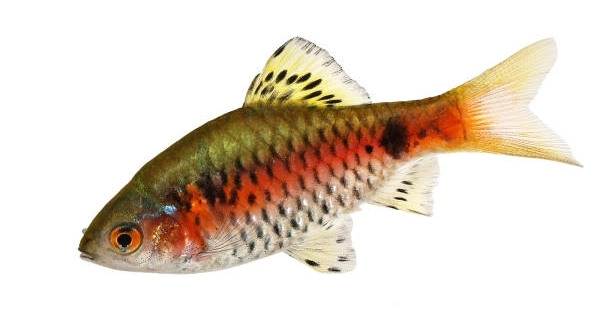
Rosy barbs are popular aquarium fish known for their lively and synchronized swimming patterns. Watching them move together smoothly creates a peaceful and attractive display in any tank. Their group behavior is a natural part of how they interact and survive.
Rosy barbs swim in sync primarily due to their strong social instincts and the need for coordinated movement to avoid predators. This schooling behavior enhances their survival by improving navigation, communication, and reducing individual risk within the group.
Understanding the reasons behind their synchronized swimming helps aquarists provide better care and enrich the environment for these beautiful fish. The following sections explain the key factors influencing their group movement.
How Rosy Barbs Communicate While Swimming
Rosy barbs rely heavily on subtle body movements and fin signals to communicate with each other while swimming. These fish are highly sensitive to changes in their surroundings and respond quickly to one another’s actions. When one fish changes direction or speed, the others follow almost instantly. This creates the smooth, synchronized swimming pattern seen in healthy groups. Their eyes also play a role, constantly scanning nearby fish to stay in formation. This nonverbal communication helps maintain group cohesion, reduces the risk of injury, and improves their chances of escaping predators. In aquariums, providing enough space and hiding spots encourages this natural behavior, making the fish feel safe and comfortable.
Communication between rosy barbs depends on body language and quick reactions within the group.
Watching their signals closely can reveal how they work together and stay coordinated during swimming.
The Role of Environment in Synchronizing Swimming
Water conditions and tank setup greatly affect how well rosy barbs swim in sync. Clean, well-oxygenated water with stable temperature encourages active swimming and better coordination. If the water quality is poor or the tank is overcrowded, fish can become stressed and less likely to maintain group swimming behavior. Proper tank size is important to give them room to move freely and practice natural schooling. Plants and decorations provide cover and landmarks, helping fish orient themselves and swim together. Sudden changes in lighting or noise can disrupt their rhythm, causing erratic swimming or separation. A calm and stable environment supports their instinct to stay close and move as one.
Ensuring good water quality and a suitable tank setup supports their natural swimming patterns.
Providing a peaceful environment helps rosy barbs stay healthy and swim confidently in coordinated groups.
Social Behavior Influences on Swimming Sync
Rosy barbs are naturally social fish that prefer to swim in groups. This social nature encourages them to move together smoothly.
Their strong social bonds lead to synchronized swimming, which helps them stay safe and reduce stress. When in a group, each fish watches the others closely, adjusting its movements to stay aligned. This collective behavior improves their chances of avoiding threats and finding food. Without the presence of other rosy barbs, they may swim less actively or appear restless. The group dynamic supports not only their safety but also their overall well-being, making them more vibrant and healthy in the aquarium.
This social swimming is instinctive and plays a key role in how rosy barbs interact daily. Their need to stay connected and coordinated reflects a natural survival strategy. When these fish feel secure with their group, their swimming becomes a graceful display of unity that benefits the entire school.
The Impact of Lighting and Tank Design
Lighting affects rosy barbs’ swimming behavior by influencing their visibility and mood. Bright, natural light encourages active swimming and clearer signals among the fish. Dim or inconsistent lighting can cause confusion and reduce their ability to stay in sync. It’s important to provide balanced lighting that mimics natural conditions without startling the fish.
Tank design also shapes how well rosy barbs coordinate their swimming. Open spaces allow easy movement and group cohesion, while dense decorations or obstacles may disrupt their flow. Arranging plants and hiding spots strategically can help the fish feel secure and maintain formation. Proper tank design supports their natural instincts, making synchronized swimming more consistent and impressive to observe.
Schooling Instincts
Rosy barbs have a natural schooling instinct that drives them to swim closely together. This behavior is a defense mechanism against predators.
Swimming in schools also helps them conserve energy by reducing water resistance. This instinct is deeply rooted and key to their survival in both wild and aquarium environments.
Benefits of Synchronized Swimming
Synchronized swimming improves communication and coordination among rosy barbs. It makes their movements more efficient and helps maintain group structure. This behavior reduces stress and enhances their ability to respond quickly to changes, ensuring the group stays safe and connected.
Impact of Stress on Swimming
Stress can cause rosy barbs to swim erratically and lose their synchronization. Stressors include poor water quality, overcrowding, and sudden disturbances. Managing stress is essential for healthy, coordinated swimming.
Feeding Patterns and Group Movement
Rosy barbs often feed together, which strengthens their group movement and swimming sync.
FAQ
Why do rosy barbs swim in groups?
Rosy barbs swim in groups because they are social fish that feel safer together. Swimming in a group helps protect them from predators and reduces stress. Being part of a school also improves their ability to find food and navigate their environment more efficiently.
How do rosy barbs stay synchronized while swimming?
They stay synchronized by closely watching the movements of nearby fish and quickly matching their speed and direction. This coordination is supported by their natural instincts and body language cues, which help maintain group cohesion.
Can rosy barbs swim alone?
While rosy barbs can survive alone, they often become less active and stressed. Their natural schooling behavior encourages them to stay with others. Keeping them in groups leads to healthier, happier fish with more natural swimming patterns.
What environmental factors affect their swimming sync?
Water quality, temperature, lighting, and tank design all impact their ability to swim in sync. Clean, stable water conditions and proper tank space allow them to move freely and coordinate better. Sudden changes or overcrowding can disrupt their rhythm.
Does tank size influence their swimming behavior?
Yes, a larger tank gives rosy barbs enough room to form schools and swim smoothly. Small tanks limit their movement, causing stress and broken group patterns. A minimum tank size of 20 gallons is recommended for a small school.
How does lighting impact their swimming?
Lighting influences their visibility and mood. Balanced lighting helps rosy barbs see each other clearly, which supports synchronized swimming. Too dim or harsh light can cause confusion and erratic movement.
What role does stress play in their swimming sync?
Stress disrupts their ability to swim together. Common stressors include poor water conditions, overcrowding, or loud noises. Reducing stress by maintaining good tank care helps keep their swimming coordinated and natural.
Do rosy barbs communicate while swimming?
Yes, they use body movements and fin signals to communicate. These subtle signals help them stay aligned and coordinate speed or direction changes.
How does feeding affect their swimming patterns?
Feeding time often brings rosy barbs together, encouraging coordinated movement. They tend to swim as a group when searching for food, which strengthens their schooling behavior.
Can tank decorations affect their swimming?
Tank decorations can help or hinder synchronized swimming. Plants and hiding spots provide security and landmarks for orientation. However, too many obstacles can break up the group and cause erratic swimming.
What happens if one rosy barb swims differently?
If one fish swims differently or falls behind, the others usually adjust to keep the group intact. This flexibility ensures the school stays coordinated despite small changes.
How can I encourage synchronized swimming in my tank?
Keep water quality high, provide enough space, and maintain stable lighting. Avoid sudden disturbances and keep a healthy group of at least six rosy barbs. These steps create a calm environment that supports natural schooling behavior.
Are rosy barbs’ swimming patterns similar to other fish?
Yes, many schooling fish use similar coordination and communication techniques. However, each species has unique behaviors influenced by their environment and social needs.
Can age or size affect swimming sync?
Differences in age or size can sometimes affect how well rosy barbs swim together. Larger or older fish may lead the group, while younger ones follow. Still, they usually maintain good synchronization despite size differences.
Is synchronized swimming important for their health?
Synchronized swimming promotes exercise, reduces stress, and strengthens social bonds. These benefits contribute to the overall health and longevity of rosy barbs in captivity.
How quickly do rosy barbs learn to swim in sync?
Rosy barbs have a natural instinct to school, so they begin swimming in sync soon after being introduced to a group. It may take a few days to fully develop smooth coordination as they adjust to each other.
What signs show healthy synchronized swimming?
Healthy schools swim smoothly with little separation, maintaining consistent speed and direction changes. Fish appear calm and responsive, without erratic or isolated movements.
Can poor diet affect their swimming?
Yes, a poor diet can weaken rosy barbs, reducing energy and coordination. Providing a balanced diet supports their physical condition and helps maintain active, synchronized swimming.
Are there any illnesses that affect swimming behavior?
Diseases like swim bladder issues or parasites can cause irregular swimming. If you notice strange movements or separation from the group, it’s important to check water conditions and consult a vet if needed.
How important is it to keep rosy barbs in groups for their well-being?
Very important. Rosy barbs thrive in groups of six or more. Social isolation can lead to stress, poor health, and lack of natural behaviors like synchronized swimming. Maintaining a group supports their emotional and physical health.
This FAQ covers common concerns and helps create the best conditions for rosy barbs to swim in sync and thrive in your aquarium.
Rosy barbs are fascinating fish known for their graceful, synchronized swimming. This behavior is a natural part of how they live and interact with each other. Their tendency to swim in sync comes from a combination of social instincts, environmental factors, and communication within the group. By understanding these reasons, we can better appreciate the beauty of their movement and what it means for their well-being. Watching a school of rosy barbs glide through the water together is not only calming but also shows how closely connected they are as a group.
The environment plays a key role in supporting the synchronized swimming of rosy barbs. Clean water, proper tank size, and balanced lighting all help the fish maintain their group behavior. When conditions are right, the fish feel safe and comfortable, allowing their natural schooling instincts to come through. On the other hand, poor water quality, overcrowding, or sudden changes in their surroundings can cause stress and disrupt their coordination. Paying attention to these factors ensures the fish stay healthy and continue to swim smoothly together.
Social behavior is another important part of why rosy barbs swim in sync. These fish rely on each other for protection, communication, and even finding food. Being part of a group reduces their risk of harm and helps them navigate their environment better. The way they respond to each other’s movements and stay aligned reflects their deep social bonds. Keeping rosy barbs in groups of six or more encourages this behavior and improves their overall quality of life. Understanding these elements can help aquarists create a tank environment where rosy barbs thrive and display their natural, synchronized swimming patterns.

Hello,
If you enjoy the content that we create, please consider saying a "Thank You!" by leaving a tip.
Every little bit helps us continue crafting quality advice that supports the health, happiness, and well-being of pets around the world, for pets of all shapes, sizes, and species.
We really appreciate the kindness and support that you show us!