
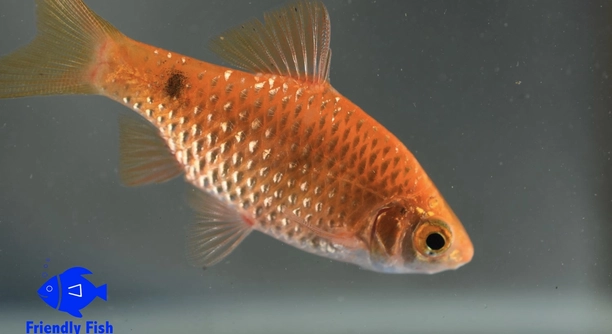
Rosy barbs are colorful, lively fish that many aquarium enthusiasts enjoy keeping. Their bright appearance and active behavior make them popular choices for home tanks. Beginners often consider them when starting their fishkeeping journey.
Rosy barbs are generally good for beginners due to their hardy nature, adaptability to various water conditions, and relatively low maintenance requirements. However, their active temperament and schooling behavior require appropriate tank size and companions.
Learning about their needs and care helps ensure a healthy environment for rosy barbs and a rewarding experience for new fishkeepers.
Pros of Keeping Rosy Barbs
Rosy barbs have several qualities that make them appealing for those new to fishkeeping. They are hardy fish, able to tolerate a range of water conditions and temperatures, which reduces the chance of sudden illness. Their diet is simple; they accept most flakes and pellets, making feeding easy. Rosy barbs are also active swimmers that add movement and color to an aquarium. Because they are schooling fish, keeping them in groups creates a lively, natural display. Their size is moderate, so they don’t require extremely large tanks, but enough space to swim freely. These traits make caring for rosy barbs less demanding, especially for beginners who may not have much experience adjusting water chemistry or treating fish diseases.
Another advantage is that rosy barbs can adapt well to community tanks, living peacefully with other non-aggressive species if given enough space.
Their resilience and social behavior offer a balanced, engaging aquarium setup for those just starting.
Cons of Keeping Rosy Barbs
Rosy barbs can be quite active and sometimes nip at the fins of slower or long-finned fish, which might cause stress or injury in a community tank. They need to be kept in groups of at least five to prevent aggression and maintain natural behavior. This means the aquarium must be large enough to support multiple fish comfortably. Additionally, while they are generally hardy, sudden changes in water conditions can still affect their health. Regular tank maintenance is essential to keep them thriving. If their environment is too small or overcrowded, their behavior can become more aggressive. Understanding these needs helps avoid common issues and ensures a better environment for all tank inhabitants.
Tank Setup and Environment
A tank size of at least 20 gallons is recommended for a small group of rosy barbs. They need plenty of swimming space and places to hide. Good filtration and regular water changes help keep the environment stable.
Setting up the tank with plants and open swimming areas suits their natural behavior. Rosy barbs appreciate moderate lighting and some floating plants to diffuse light. Gravel or sand substrate works well, and decorations should avoid sharp edges to prevent fin damage. Maintaining water temperature between 64°F and 72°F keeps them comfortable. A well-aerated tank with good water flow supports their active lifestyle. Regular testing of water parameters ensures ammonia, nitrites, and nitrates stay low.
Compatibility with other fish depends on tank size and species chosen. Avoid slow-moving, long-finned fish that might be targeted by rosy barbs. Peaceful, similarly sized fish make good tank mates.
Feeding and Nutrition
Rosy barbs are omnivores and adapt easily to various diets. Feeding them a balanced mix of flakes, pellets, and live or frozen foods keeps them healthy. Their diet should include protein and plant matter.
Regular feeding two times a day is ideal, offering only what they can eat within a few minutes. Overfeeding can pollute the tank and cause health problems. Including occasional treats like brine shrimp or bloodworms boosts their nutrition and stimulates natural feeding behavior. Variety in diet supports their vibrant colors and energy. Monitoring their eating habits helps detect health issues early. Proper nutrition contributes to growth, immune strength, and activity levels in rosy barbs.
Common Health Issues
Rosy barbs are generally healthy but can suffer from common freshwater fish diseases like ich or fin rot. Early detection is important to prevent serious problems.
Stress from poor water quality or overcrowding often leads to illness. Regular tank care reduces these risks and keeps fish strong.
Breeding Rosy Barbs
Breeding rosy barbs is fairly simple. They lay eggs, which should be separated to protect from adult fish. Spawning tanks with fine-leaved plants encourage egg laying. Maintaining clean water and slightly warmer temperatures helps increase success rates.
Behavior and Temperament
Rosy barbs are active and social fish that thrive in groups. They can be slightly nippy but usually avoid aggressive actions when properly housed.
Maintenance Tips
Consistent water changes and monitoring water parameters keep rosy barbs healthy. Avoid sudden changes to reduce stress and promote longevity.
FAQ
How many rosy barbs should I keep together?
Rosy barbs are schooling fish and should be kept in groups of at least five. Keeping fewer than five can cause stress and aggressive behavior. A group helps them feel secure and display natural swimming patterns, which also adds life to the aquarium.
What tank size is best for rosy barbs?
A minimum of 20 gallons is recommended for a small group of rosy barbs. This size provides enough swimming space and helps maintain stable water conditions. Larger tanks are better if you want to keep more fish or add tank mates.
Can rosy barbs live with other fish?
Yes, but choose tank mates carefully. Rosy barbs can nip fins, so avoid slow-moving, long-finned species like angelfish or bettas. Good companions include other active, medium-sized fish such as danios or swordtails.
What do rosy barbs eat?
Rosy barbs eat flakes, pellets, and live or frozen foods like brine shrimp and bloodworms. A balanced diet that includes both protein and plant matter keeps them healthy and colorful.
How often should I feed rosy barbs?
Feed them twice a day with only what they can consume in about 2–3 minutes. Overfeeding can pollute the tank and lead to health issues.
What water temperature do rosy barbs need?
They thrive in temperatures between 64°F and 72°F. Maintaining stable temperatures within this range helps prevent stress and disease.
How often should I change the water?
Perform a 20-30% water change every week to keep water quality high. Consistent maintenance prevents harmful ammonia and nitrate buildup.
Do rosy barbs require special filtration?
Standard aquarium filters that provide good water flow and aeration work well. Avoid strong currents that might tire them out, but keep water well-oxygenated.
How can I tell if my rosy barbs are healthy?
Healthy rosy barbs are active, swim confidently, and have bright colors. Watch for signs like faded color, clamped fins, or lethargy, which can indicate stress or illness.
Can rosy barbs breed easily?
Yes, breeding is possible in home tanks with proper conditions. Spawning tanks with plants and slightly warmer water encourage egg laying. Remove adults after spawning to protect eggs.
What common illnesses affect rosy barbs?
Ich, fin rot, and fungal infections are typical. These usually occur due to poor water quality or stress. Early treatment with appropriate medication and improving tank conditions help recovery.
Are rosy barbs good for beginners?
They are hardy and adaptable, making them suitable for new fishkeepers. Their active nature and schooling behavior require attention to tank size and companions.
What kind of substrate is best for rosy barbs?
Fine gravel or sand works well. It is gentle on their fins and supports plants if you choose to include them.
How much space do rosy barbs need per fish?
Around 2 gallons per rosy barb is a good rule of thumb. This ensures enough room for swimming and reduces stress.
Can rosy barbs tolerate changes in water chemistry?
They tolerate moderate variations but sudden shifts can cause stress. Regular testing and slow adjustments maintain a stable environment.
What decorations work best in a rosy barb tank?
Smooth rocks, driftwood, and live plants create hiding spots and open swimming areas. Avoid sharp or rough decorations to prevent fin damage.
How can I prevent rosy barbs from nipping other fish?
Keep them in proper groups and provide enough space. Avoid housing them with slow or long-finned species and ensure they have plenty of stimulation.
Is it necessary to quarantine new rosy barbs?
Quarantining new fish for at least two weeks helps prevent introducing diseases into your main tank.
How long do rosy barbs live?
With good care, they can live up to 5 years or more in captivity.
What signs indicate a sick rosy barb?
Look for loss of appetite, erratic swimming, spots or discoloration, and frayed fins. Early detection allows for quicker treatment.
Can rosy barbs tolerate cooler temperatures?
They can handle cooler water better than tropical species but should not be kept below 60°F for long periods.
Are rosy barbs suitable for planted tanks?
Yes, they usually do not uproot plants and appreciate the cover plants provide.
Do rosy barbs require supplemental lighting?
Standard aquarium lighting is sufficient. Plants in the tank might require more light, depending on the species.
Can rosy barbs live alone?
They are social fish and should not be kept alone to avoid stress and aggressive behavior.
What is the best way to introduce rosy barbs to a new tank?
Acclimate them slowly by floating their bag in the tank water and gradually mixing tank water into the bag over 20-30 minutes.
Do rosy barbs need aeration?
Good oxygen levels are important. Use an air stone or ensure the filter creates surface movement to keep oxygen high.
Can rosy barbs live with shrimp or snails?
They may prey on small shrimp, but larger snails usually coexist well.
What pH level is best for rosy barbs?
A pH between 6.5 and 7.5 is ideal, supporting their health and activity.
How can I improve the colors of rosy barbs?
A varied diet with quality foods and good water quality helps maintain vibrant colors.
Are rosy barbs sensitive to light changes?
They adapt well but sudden, intense light changes can cause stress. Gradual adjustments are best.
What behavior is normal for rosy barbs?
Active swimming in groups, occasional chasing during play, and exploring their environment are typical.
Rosy barbs are a popular choice for many aquarium owners because they are colorful, active, and generally easy to care for. Their hardiness makes them suitable for those who are new to fishkeeping or for anyone looking for a lively addition to their tank. They adapt well to a variety of water conditions and are not too demanding when it comes to diet or tank setup. These traits help make caring for rosy barbs a straightforward experience, especially if you follow basic maintenance routines. Keeping them in groups is important, as they are social fish that thrive in company, and this also helps reduce any aggressive behavior.
That said, rosy barbs do require some attention to their environment to stay healthy and happy. Their active nature means they need enough space to swim freely, so a tank that is too small can cause stress or aggression. They can sometimes nip the fins of slower or long-finned fish, so it is important to choose tank mates carefully. Maintaining good water quality through regular cleaning and monitoring of water parameters is necessary to prevent illness. Feeding them a balanced diet, including both flakes and occasional live or frozen foods, supports their health and vibrant colors. Paying attention to these details will help you enjoy watching their lively behavior and bright appearance for years.
Overall, rosy barbs offer a good balance of beauty, activity, and ease of care that appeals to many fishkeepers. While they are not completely without challenges, these are manageable with the right tank setup and care routine. If you provide them with the proper environment and companionship, rosy barbs can be rewarding fish to keep. Their playful nature and striking colors make them a pleasant addition to community tanks, especially for those who are still learning the basics of aquarium care. Taking the time to understand their needs will lead to a healthy and engaging aquarium experience.

Hello,
If you enjoy the content that we create, please consider saying a "Thank You!" by leaving a tip.
Every little bit helps us continue crafting quality advice that supports the health, happiness, and well-being of pets around the world, for pets of all shapes, sizes, and species.
We really appreciate the kindness and support that you show us!