
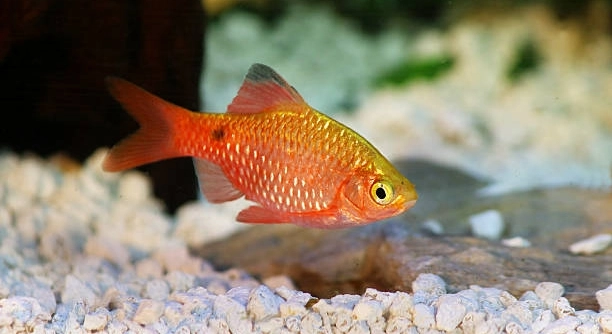
Rosy barbs are popular freshwater fish known for their vibrant colors and lively behavior. Many fishkeepers enjoy watching their barbs explore the aquarium environment. Sometimes, these fish dig in the gravel, which can catch the owner’s attention.
Rosy barbs dig in the gravel primarily to search for food, explore their surroundings, or create a comfortable resting spot. This natural behavior helps them find hidden debris or edible particles while also providing mental stimulation and a sense of security.
Understanding why your rosy barb digs in the gravel can help you maintain a healthy and engaging environment for your fish. Keeping an eye on this behavior allows you to support their natural needs effectively.
Reasons Your Rosy Barb Digs in the Gravel
Rosy barbs often dig in the gravel as part of their natural behavior. They do this to look for leftover food particles that might have settled on the bottom of the tank. Sometimes, digging helps them explore their environment and feel more comfortable. The gravel also gives them a place to create small hiding spots or rest. This activity keeps them busy and prevents boredom. When your fish digs in the gravel, it is usually harmless and shows they are active and healthy. However, excessive digging can sometimes indicate stress or poor water conditions. Checking the tank regularly ensures everything stays balanced. You may also notice your rosy barb moving gravel around to rearrange its space, which is normal. Providing a clean tank with suitable substrate supports this digging behavior and keeps your fish happy.
Digging is a natural and common activity for rosy barbs that helps them stay engaged with their environment.
If the digging becomes too frequent or destructive, it could mean the tank setup needs adjustment or the fish is uncomfortable. Observing the fish’s behavior and tank conditions closely can help determine the best way to support your rosy barb.
How to Manage Digging Behavior
Sometimes, the digging might disturb plants or decorations in the tank. To manage this, make sure the gravel is not too rough or sharp, as it can hurt the fish’s barbels and mouth. Using smooth substrate encourages safer digging. Providing enough food and feeding it evenly throughout the tank reduces the need for your fish to search extensively. Adding live plants can also help because they create natural hiding spots and make the fish feel secure. If the tank is too small, consider upgrading to a larger aquarium, which gives your fish more space to explore and reduces stress-related digging. Regular tank maintenance and monitoring water quality are important, as poor conditions often lead to unusual behavior. By making these small changes, you can keep the digging healthy and prevent damage to the tank environment.
Signs Your Rosy Barb Is Stressed
When a rosy barb is stressed, digging behavior may increase noticeably. You might also see signs like fading colors, erratic swimming, or hiding more than usual. These symptoms often point to issues in the tank that need attention.
Stress in rosy barbs is commonly caused by poor water quality, sudden changes in temperature, or overcrowding. They are sensitive to ammonia and nitrite levels, so regular water tests are crucial. If the tank is too small or lacks hiding spots, the fish can become anxious, leading to excessive digging as a coping mechanism. Overfeeding or feeding low-quality food may also contribute, causing digestive discomfort and prompting digging to find more edible particles.
To reduce stress, improve water conditions by performing regular partial water changes and maintaining a stable temperature. Adding plants and decorations can offer hiding spaces, making the fish feel more secure. Also, avoid overcrowding the tank and provide a balanced diet. These steps will help calm your rosy barb and reduce digging caused by stress.
Tank Setup and Its Impact on Digging
The size and layout of your aquarium play a major role in your rosy barb’s digging behavior. Smaller tanks with limited space can make fish restless, increasing gravel digging.
A tank with proper space and a good layout gives the fish room to explore without feeling confined. Using fine, smooth gravel or sand is better for digging, as rough gravel can hurt them. Including plenty of plants and hiding places in the setup can reduce stress and lessen digging that comes from anxiety. Make sure decorations are stable so digging does not cause them to fall. Regular tank cleaning also ensures a healthy environment, encouraging natural behavior without excess digging. When the tank environment is comfortable, your rosy barb will feel more at ease and dig less aggressively.
Feeding Habits and Gravel Digging
Rosy barbs often dig in the gravel to find leftover food. Uneaten flakes or pellets can settle at the bottom, attracting their attention. This is a natural way for them to search for snacks.
If you notice frequent digging after feeding, it may mean the fish aren’t getting enough food or that too much food is wasted. Adjusting feeding amounts can help reduce this behavior.
Gravel Type and Its Effect
The type of gravel you use affects how much your rosy barb digs. Fine, smooth gravel is easier and safer for them to move around than coarse or sharp gravel. Choosing the right substrate promotes healthy digging without injury.
Behavioral Reasons Behind Digging
Digging is part of how rosy barbs explore their environment and stay mentally active. It helps them interact with their surroundings and prevents boredom. This natural behavior shows they are comfortable and engaged in the tank.
Preventing Damage from Digging
To protect plants and decorations from digging, secure them well. Using heavier items or planting in pots can reduce disturbance caused by your fish’s activity.
Why is my rosy barb constantly digging in the gravel?
Rosy barbs dig in the gravel mainly to search for leftover food and explore their environment. This behavior is natural and helps keep them active. However, if digging becomes excessive, it could be a sign of stress or poor tank conditions, such as inadequate space or water quality issues. Adjusting feeding habits and improving tank maintenance often reduce the digging.
Can digging harm my rosy barb or the aquarium?
Generally, digging does not harm rosy barbs if the substrate is smooth and safe. Rough gravel can cause injuries to their mouths or barbels, so choosing fine gravel or sand is better. Digging might disturb plants or decorations, but securing those items properly can prevent damage.
How often should I feed my rosy barbs to prevent digging?
Feed your rosy barbs small amounts two to three times a day. Overfeeding leads to excess food sinking to the gravel, which encourages digging. Providing just enough food so they finish eating within a few minutes helps keep the tank clean and reduces digging driven by hunger or searching for scraps.
What type of substrate is best for rosy barbs?
Smooth, fine gravel or sand is ideal for rosy barbs. It allows them to dig comfortably without hurting themselves. Avoid sharp or coarse gravel, which can damage their barbels or mouths during digging. Soft substrate also supports natural behaviors like burrowing or sifting.
Does tank size affect digging behavior?
Yes, a small or overcrowded tank can increase stress and restlessness, leading to more digging. Rosy barbs need enough space to swim and explore. A minimum of 20 gallons for a small group helps reduce stress and keeps digging behavior within healthy limits.
Can stress cause digging in rosy barbs?
Stress can cause excessive digging. Poor water quality, sudden changes in environment, or aggressive tank mates may stress your fish. Stress reduces immune response and changes behavior. Improving water conditions, stabilizing temperature, and ensuring peaceful tank mates help reduce stress-related digging.
How can I reduce digging without harming natural behavior?
Encourage natural behavior by providing hiding spots with plants or decorations. Use soft substrate and avoid overfeeding. Keeping a clean tank with regular water changes and monitoring water parameters supports a healthy environment. These steps help reduce destructive digging while allowing your rosy barb to stay active.
Is digging a sign of illness?
Digging alone is usually not a sign of illness. However, if combined with other symptoms like lethargy, loss of appetite, or discoloration, it may indicate health problems. In such cases, test water quality and consider consulting a vet or fish specialist.
What plants are best to protect from digging?
Hardy plants with strong roots, such as Java fern or Anubias, are less likely to be uprooted by digging. Planting in pots or using heavy substrates can protect delicate plants from disturbance. Live plants also help reduce stress and create natural hiding places.
Should I change feeding habits if my rosy barb digs a lot?
Yes, adjusting feeding habits can help. Feeding smaller portions more frequently and removing uneaten food reduces leftovers that encourage digging. Using sinking pellets instead of flakes also helps minimize waste settling on the gravel.
How can I check if my tank conditions are causing digging?
Regularly test for ammonia, nitrites, nitrates, and pH levels. Poor water quality stresses fish and leads to excessive digging. Keep temperature stable and avoid overcrowding. A well-maintained tank reduces stress-related behaviors.
Will adding more plants reduce digging?
Adding plants creates hiding spots and makes the environment more natural and stimulating. This often reduces digging caused by boredom or anxiety. Plants also improve water quality by absorbing nitrates, benefiting your fish overall.
Is it normal for rosy barbs to rearrange gravel?
Yes, it is normal. Rosy barbs rearrange gravel as part of their exploration and territory marking. This behavior is usually harmless and shows they are interacting with their environment.
Can digging cause cloudiness in the tank?
Yes, digging can stir up debris and cause temporary cloudiness. Using finer substrate and cleaning the tank regularly helps reduce this effect. Cloudiness usually settles quickly if water conditions are good.
When should I worry about digging behavior?
Worry if digging becomes constant, aggressive, or is accompanied by signs of stress or illness. Also, if your plants or decorations are severely disturbed, it may be time to adjust tank conditions or seek advice. Regular observation helps catch problems early.
Digging in the gravel is a natural and common behavior for rosy barbs. It helps them search for food, explore their surroundings, and feel comfortable in their environment. Most of the time, this behavior is harmless and shows that your fish is active and curious. However, it’s important to watch how often and how aggressively your rosy barb digs. Too much digging can sometimes mean there is a problem with the tank or the fish’s health. By understanding why your rosy barb digs, you can better care for your fish and make sure it stays happy and healthy.
Maintaining a clean and well-set-up tank is key to supporting healthy digging behavior. This means using the right kind of substrate, like smooth gravel or sand, which is safe for your fish to move around. Feeding your rosy barb the right amount of food also helps reduce digging caused by hunger or leftover food. Providing plants and hiding places can make the fish feel more secure and less stressed. Stress often leads to excessive digging, so it’s important to keep the water clean, the temperature steady, and the tank space sufficient for your fish to swim freely. These small but important steps help create a calm environment where your rosy barb can dig naturally without causing damage or discomfort.
If you notice changes in your fish’s behavior, such as constant digging along with signs of stress or illness, it’s best to take action quickly. Check water quality and tank conditions regularly, and make adjustments as needed. Sometimes, improving the tank environment or feeding routine is enough to reduce digging and keep your fish comfortable. Remember, rosy barbs dig for many good reasons, but balance is important. By paying attention to your fish and its habitat, you can enjoy watching this lively behavior while ensuring your rosy barb stays healthy and content in its home.

Hello,
If you enjoy the content that we create, please consider saying a "Thank You!" by leaving a tip.
Every little bit helps us continue crafting quality advice that supports the health, happiness, and well-being of pets around the world, for pets of all shapes, sizes, and species.
We really appreciate the kindness and support that you show us!