
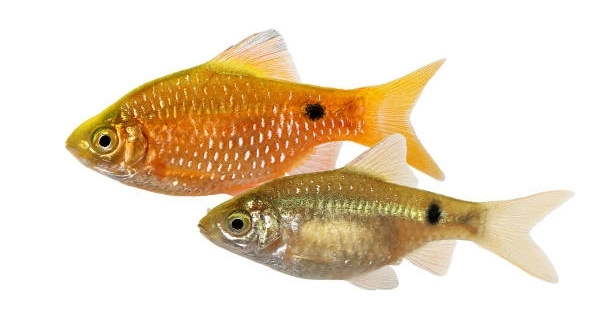
Rosy barbs are popular aquarium fish known for their vibrant colors and active behavior. Many fishkeepers enjoy watching them thrive but often wonder about their breeding habits and signs that indicate readiness. Understanding these signs helps in providing the right care.
Rosy barbs can breed under appropriate conditions, typically when they show physical and behavioral changes such as color intensification, pairing behaviors, and spawning activity. These signs are indicators of reproductive readiness and environmental suitability for breeding.
Recognizing these key signs allows you to prepare your tank and support your rosy barbs through the breeding process effectively. This article outlines the main indicators to watch for in your fish.
Physical Changes in Rosy Barbs Before Breeding
Rosy barbs often show clear physical signs when they are ready to breed. Males usually develop brighter colors, especially a deeper rosy or reddish tint on their fins and body. Their scales may also look shinier and more vibrant. Females tend to become rounder or fuller, particularly in the belly area, as their eggs mature. These changes are natural and indicate that the fish are preparing to spawn. Watching for these physical transformations is important to know when your fish are ready for breeding. Proper water conditions, including temperature and cleanliness, also help support these changes. Maintaining a balanced diet with quality food rich in protein encourages healthy development. Avoid overcrowding the tank, as stress can prevent physical signs from appearing. Taking note of these details early on makes it easier to manage your aquarium during breeding.
Physical changes in rosy barbs give a clear visual cue that breeding is likely imminent.
Observing these differences allows you to plan tank setup and care adjustments in advance, improving chances of successful spawning and fry survival.
Behavioral Signs of Rosy Barb Breeding
Before spawning, rosy barbs exhibit distinct behaviors that indicate their readiness. Males often chase females around the tank, which is part of courtship behavior. They may also display more aggressive or territorial actions to establish dominance. Females respond by swimming more slowly and allowing males to follow closely. Pairing behavior includes fin fluttering and rubbing against each other. Spawning usually occurs early in the morning, with eggs scattered on plants or substrate. During this time, you might notice increased activity and changes in swimming patterns. These behaviors signal that the environment is suitable for reproduction. It is important to reduce disturbances and avoid sudden changes to prevent stress. By recognizing these behavioral signs, you can better support your rosy barbs during this critical phase, ensuring they have the best chance to breed successfully.
Environmental Factors Affecting Breeding
Water temperature plays a crucial role in encouraging rosy barbs to breed. The ideal temperature range is between 72°F and 78°F. Water quality must be clean, with regular partial water changes to keep conditions stable.
Maintaining stable water parameters helps reduce stress and encourages natural breeding behavior. Proper filtration and aeration support oxygen levels, which is important for both adults and developing eggs. Soft to moderately hard water with a pH around 6.5 to 7.5 creates a comfortable environment. Lighting should mimic natural day and night cycles to help regulate fish activity. Avoid overcrowding, as too many fish reduce the chance of successful spawning. Providing plenty of hiding spots with plants or decorations creates safe places for females to lay eggs and for fry to hide from adults.
Monitoring and adjusting these factors makes a noticeable difference in your rosy barbs’ willingness to breed. Taking care of their environment is one of the most effective ways to support healthy reproduction.
Feeding and Nutrition for Breeding Rosy Barbs
A balanced, protein-rich diet is essential to prepare rosy barbs for breeding. High-quality live or frozen foods like brine shrimp, bloodworms, and daphnia help improve their condition and boost fertility. Supplementing with high-quality flakes or pellets ensures daily nutrition.
Increasing protein intake about two weeks before expected breeding can promote egg development and improve male vigor. Feeding smaller amounts multiple times a day prevents overfeeding and keeps water quality stable. Avoid feeding low-quality foods that lack necessary nutrients, as this can weaken fish and reduce breeding success. Variety in diet also helps prevent boredom and encourages natural feeding behavior, which can stimulate breeding readiness. Nutritional support combined with proper environmental conditions maximizes your rosy barbs’ chances to breed successfully.
Preparing the Tank for Breeding
Separate the breeding pair or group in a dedicated tank to increase success. Use fine-leaved plants or spawning mops for egg laying.
Keep water conditions stable and clean. A gentle filter and moderate lighting help create a safe environment for eggs and fry.
Spawning and Egg Care
Rosy barbs scatter eggs among plants and substrate, without guarding them. After spawning, remove adults to prevent egg predation. Eggs usually hatch within 24 to 36 hours. Keep water temperature steady and avoid sudden changes. Use a gentle air stone to provide oxygen without disturbing the eggs. Monitor water quality closely, as poor conditions increase egg mortality. Once fry appear, feed them infusoria or finely crushed flakes until they grow large enough for regular foods.
Fry Care and Growth
Feed fry small, frequent meals with high-protein food. Keep the tank clean to support healthy development.
Common Issues in Rosy Barb Breeding
Stress, poor water quality, or improper diet often prevent successful breeding.
FAQ
How long does it take for rosy barb eggs to hatch?
Rosy barb eggs typically hatch within 24 to 36 hours after spawning. This can vary slightly depending on water temperature. Warmer water speeds up development, while cooler water slows it down. Maintaining stable conditions helps ensure the eggs develop properly.
Can rosy barbs breed in a community tank?
Breeding in a community tank is possible but less successful. Other fish may eat eggs or fry, and stress levels tend to be higher. Separating breeding pairs into a dedicated tank increases the chance of survival for the offspring.
What is the ideal temperature for breeding rosy barbs?
The best temperature range for breeding is between 72°F and 78°F. Consistent temperature within this range encourages spawning behavior and healthy egg development. Sudden changes can stress the fish and reduce breeding success.
How often do rosy barbs breed?
Rosy barbs can breed multiple times a year if conditions are right. They usually spawn every few weeks during warmer months when water quality and food availability are good. Regular care and optimal environment promote frequent spawning.
What should I feed rosy barbs to prepare them for breeding?
High-protein foods like live or frozen brine shrimp, bloodworms, and daphnia are best. These provide the nutrients necessary for egg production and male vitality. Supplement with quality flakes or pellets to keep their diet balanced.
Do rosy barbs protect their eggs or fry?
No, rosy barbs do not protect their eggs or fry. They scatter eggs and often eat them if left together. It’s important to remove adults after spawning to improve the survival rate of the eggs and fry.
How can I tell if my rosy barbs are ready to breed?
Look for brighter coloration in males, a fuller belly in females, and increased chasing or courtship behaviors. These signs usually indicate that the fish are preparing to spawn.
What kind of tank setup is best for breeding rosy barbs?
A separate breeding tank with fine-leaved plants or spawning mops works best. Keep water clean and stable, with gentle filtration and moderate lighting. This setup provides a safe place for eggs and fry to develop.
How should I care for rosy barb fry?
Feed the fry small, frequent meals of infusoria or finely crushed flakes. Keep water clean and maintain stable conditions. As they grow, gradually introduce larger foods to support healthy development.
What common problems affect rosy barb breeding?
Stress, poor water quality, and inadequate diet are the main issues. Overcrowding and sudden changes in the environment can also interfere. Prevent these problems by maintaining a clean, well-managed tank with balanced nutrition.
Is it necessary to use a breeding hormone or special equipment?
No, rosy barbs typically breed naturally without hormones or special equipment if environmental conditions and care are right. Focus on water quality, diet, and tank setup to encourage spawning.
Can rosy barbs breed with other species?
Rosy barbs rarely breed with other species naturally. Hybridization is uncommon and usually requires controlled breeding conditions. It’s best to focus on breeding pure rosy barbs for healthy offspring.
How long do rosy barb fry take to mature?
Fry usually grow to maturity within 4 to 6 months. Growth rate depends on diet, water quality, and tank conditions. Providing optimal care speeds up their development into healthy adults.
What is the best way to prevent egg fungus?
Keep water clean and well-oxygenated. Adding a small amount of antifungal treatment or using Indian almond leaves can help prevent fungus. Removing adults after spawning also reduces the risk, as they can disturb eggs and spread fungus.
How many eggs does a rosy barb female lay?
A female can lay several hundred eggs in one spawning session. The exact number depends on her size and health. Not all eggs will survive, so preparing proper care increases the chances of more fry reaching maturity.
Final Thoughts
Breeding rosy barbs can be a rewarding experience for anyone who enjoys keeping fish. These fish show clear signs when they are ready to reproduce, such as changes in color and behavior. Paying close attention to these signs helps you know when to prepare your tank for breeding. By adjusting water temperature, maintaining cleanliness, and providing proper nutrition, you create the best environment for rosy barbs to spawn. It is important to separate the breeding pair or group to protect the eggs and give the fry a better chance to grow without being eaten by adults.
Successful breeding also depends on feeding the fish well before and during the breeding period. Offering a diet rich in protein from live or frozen foods improves the health and fertility of the fish. Feeding smaller amounts frequently keeps water quality stable and avoids overfeeding. Once the eggs are laid, removing the adults and providing gentle aeration to the eggs will increase their chances of hatching safely. The fry require special care in their early days, with small, frequent meals and clean water to support growth. Understanding these details ensures your rosy barbs can reproduce successfully and the young fish can thrive.
Patience and careful observation are key when breeding rosy barbs. Not every spawning attempt will be perfect, and environmental conditions can change unexpectedly. Keeping consistent tank conditions and avoiding stress for the fish will help in the long run. Watching your rosy barbs develop from healthy adults into breeding fish and then seeing the fry grow is fulfilling. Following the steps of proper tank setup, diet, and monitoring behavior will increase your chances of success. With time, you will become more confident in managing the breeding process and enjoy seeing your rosy barb population grow.

Hello,
If you enjoy the content that we create, please consider saying a "Thank You!" by leaving a tip.
Every little bit helps us continue crafting quality advice that supports the health, happiness, and well-being of pets around the world, for pets of all shapes, sizes, and species.
We really appreciate the kindness and support that you show us!