
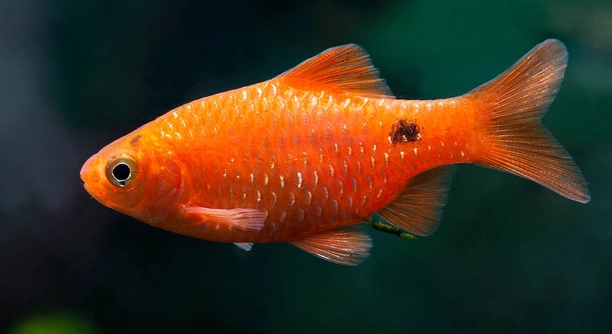
Rosy barbs are popular aquarium fish known for their vibrant colors and lively behavior. Sometimes, these fish may nip at the fins of their tank mates, causing concern among hobbyists. Understanding why this happens can help maintain a peaceful aquarium environment.
Fin nipping by rosy barbs is usually caused by factors such as overcrowding, lack of hiding spaces, stress, boredom, or competition for food. These conditions can lead to aggressive behavior, resulting in fin damage among fish in the tank.
Knowing the reasons behind fin nipping can help you create a healthier habitat for your rosy barbs and reduce conflicts in your aquarium.
Overcrowding in the Tank
When too many rosy barbs or other fish are kept in a small aquarium, it can create tension. Fish need enough space to swim freely and establish their own areas. Overcrowding often leads to stress, which makes fish more prone to aggressive behaviors like fin nipping. Without enough room, the fish may feel threatened or unable to escape, causing them to nip at their tank mates.
This problem can be avoided by keeping fewer fish in a tank or upgrading to a larger one. Providing a balanced environment helps reduce stress and aggression.
Creating space for each fish reduces fin nipping by giving them room to move and lowering stress levels. Ensuring your aquarium isn’t overcrowded supports the well-being of all its inhabitants.
Lack of Hiding Spots
Fish feel safer when they have places to hide. Without plants, rocks, or decorations, rosy barbs might act out because they feel exposed or vulnerable. When hiding spots are limited, fish can’t escape if they feel threatened, which may increase fin-nipping behavior.
Adding hiding places helps break up lines of sight and lets shy or stressed fish take a break from constant interaction. It creates a more natural and comfortable environment where fish can relax. Providing plenty of hiding spots can improve tank harmony by reducing stress and giving all fish a safe place to retreat. This simple change often lowers aggression and helps keep the fish healthier and calmer.
Stress and Aggression
Stress often leads to aggression in rosy barbs. When stressed, they are more likely to nip fins. Stress can come from many sources, including sudden changes in water quality or aggressive tank mates.
Poor water conditions cause discomfort and stress, making fish irritable. Frequent water changes and monitoring water parameters help maintain a healthy environment. Stress also increases when fish are kept with more aggressive species, which can trigger defensive fin-nipping behavior. Ensuring a peaceful tank and stable water conditions can greatly reduce aggression. Observing your fish regularly helps spot stress signs early, allowing you to take quick action.
Aggression can also arise from dominance behaviors within the species. Rosy barbs sometimes establish a pecking order, which can result in fin nipping as a form of social control. Providing enough space and hiding spots can lessen this. Grouping rosy barbs in odd numbers may help spread aggression more evenly and reduce bullying. Watching how your fish interact helps you manage their behavior better.
Boredom and Lack of Stimulation
Bored fish often act out, and rosy barbs are no exception. Without enough stimulation, they may nip fins simply because they are restless.
Providing a varied environment with plants, decorations, and interesting spaces helps keep rosy barbs occupied. This reduces boredom and decreases fin-nipping incidents. Adding toys like floating objects or rearranging tank decor can spark curiosity and activity. Introducing other peaceful fish species can also help by encouraging social behavior and interaction. Keeping the fish mentally engaged leads to a calmer and happier aquarium. Regularly changing the environment in small ways keeps your fish interested and less likely to cause harm to each other.
Competition for Food
When food is scarce or feeding is irregular, rosy barbs may nip fins to compete. This behavior is more common during feeding times when they want to secure their share.
Providing enough food for all fish and feeding consistently helps reduce this aggressive competition.
Incompatible Tank Mates
Rosy barbs may nip fins if they share a tank with more aggressive or territorial fish. These species can provoke stress and defensive behaviors. Choosing peaceful, compatible fish reduces fin nipping and creates a calmer environment.
Poor Water Quality
Dirty or poorly maintained water affects fish health and behavior. Stress from bad water conditions can increase fin nipping. Regular water changes and testing water parameters keep the tank healthy and fish less aggressive.
Why do rosy barbs nip fins more during feeding times?
Rosy barbs often nip fins during feeding because food becomes a limited resource. When they feel competition is high, they act quickly and sometimes aggressively to get their share. This behavior is driven by instinct to secure enough nutrition, especially if food is unevenly distributed or if feeding is inconsistent. Making sure you provide enough food for all the fish at once reduces this competition. Feeding smaller amounts multiple times a day can help, too, so no fish feels left out or hungry.
Can fin nipping cause serious harm to rosy barbs or other fish?
Yes, fin nipping can cause real damage. While it may start as small nips, repeated biting can lead to torn fins and open wounds. These injuries increase the risk of infections and stress, which harm fish health. If left unchecked, fin damage can make fish vulnerable to disease and reduce their overall well-being. It’s important to act quickly by addressing the causes of fin nipping and treating any injuries your fish may have.
How can I tell if my rosy barbs are stressed?
Signs of stress in rosy barbs include erratic swimming, hiding more than usual, loss of color, and reduced appetite. They may also nip fins more often when stressed. Stress usually comes from poor water quality, overcrowding, or aggressive tank mates. Observing your fish’s behavior daily helps catch stress early. Keeping water clean, providing space, and maintaining a calm environment are key to reducing stress.
Will adding more rosy barbs reduce fin nipping?
Sometimes, yes. Rosy barbs are schooling fish that feel safer and less aggressive in groups of at least six. More fish can spread out aggressive behavior and reduce focus on one individual. However, adding more fish only helps if the tank is large enough. Overcrowding can make aggression worse, so balance is important. Make sure your tank size matches the number of fish to avoid new problems.
What role does tank size play in fin nipping?
Tank size is very important. Small tanks limit swimming space and increase stress and competition, causing more fin nipping. Larger tanks provide enough room for fish to establish their territories and avoid constant contact. A minimum of 30 gallons is recommended for rosy barbs, but bigger is always better. Giving your fish space helps reduce aggressive behavior and promotes healthier, calmer interactions.
How often should I clean my tank to prevent fin nipping?
Cleaning your tank regularly helps prevent fin nipping caused by stress from poor water quality. Partial water changes of 20-30% every week are ideal. This removes waste, toxins, and excess nutrients that can stress fish. Cleaning filters and removing uneaten food also keeps the environment healthy. Consistent maintenance helps fish stay comfortable, reducing fin nipping linked to stress.
Can diet affect fin nipping behavior?
Yes, a poor diet can increase fin nipping. If rosy barbs don’t get enough nutrients, they may become more aggressive. Feeding a balanced diet with quality flakes, pellets, and occasional live or frozen food keeps fish healthy and satisfied. Nutrient-rich food supports their immune system and reduces stress-related aggression. Avoid overfeeding, but make sure they get enough to stay well nourished.
Is it normal for rosy barbs to nip fins sometimes?
A little fin nipping is normal in rosy barbs. It’s part of their natural behavior when establishing hierarchy or during excitement. However, frequent or severe nipping is a sign of problems like overcrowding or stress. Monitoring your fish helps you tell normal social behavior from harmful aggression. Taking action early prevents fin damage and keeps your tank peaceful.
Rosy barbs are lively and colorful fish that bring energy to any aquarium. However, fin nipping can be a common issue with them, and it’s important to understand the reasons behind this behavior. Many factors, such as overcrowding, stress, and lack of hiding spaces, can cause rosy barbs to nip at the fins of other fish. By recognizing these causes, you can take simple steps to improve the tank environment and reduce aggression. This will help your fish live healthier and more peaceful lives.
Creating a balanced aquarium is key to preventing fin nipping. Providing enough space for your rosy barbs to swim freely is one of the most effective ways to reduce stress and aggressive behavior. Along with sufficient tank size, adding plants, decorations, and hiding spots gives fish places to retreat when they feel threatened. Feeding your fish regularly with a proper diet and enough food will also help lower competition during feeding times. These small changes can make a big difference in how your fish interact with each other.
Regular maintenance of the tank is just as important. Keeping the water clean and stable reduces stress, which is a major cause of fin nipping. Monitoring water quality and doing partial water changes will keep your fish comfortable and healthy. Watching how your fish behave every day allows you to spot any early signs of stress or aggression. When you notice issues, acting quickly can prevent fin damage and improve tank harmony. With care and attention, rosy barbs can coexist peacefully and brighten up your aquarium for a long time.

Hello,
If you enjoy the content that we create, please consider saying a "Thank You!" by leaving a tip.
Every little bit helps us continue crafting quality advice that supports the health, happiness, and well-being of pets around the world, for pets of all shapes, sizes, and species.
We really appreciate the kindness and support that you show us!