
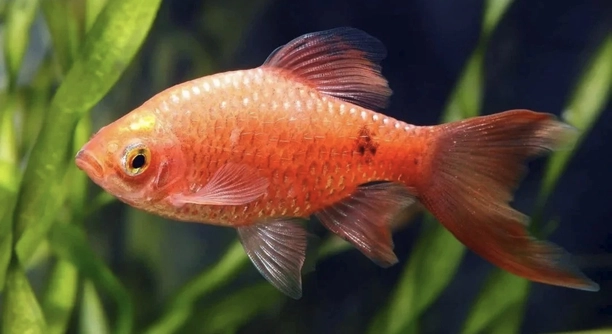
Do you ever find yourself watching your rosy barbs zoom around the tank and wonder if they’re actually showing excitement or just being active?
Rosy barbs express excitement through fast swimming, fin flaring, brighter coloration, and increased social interaction. These behaviors are usually linked to environmental changes, feeding times, or new stimuli in their tank.
From subtle movements to sudden bursts of energy, each behavior gives insight into how your fish respond to their surroundings.
Fast Swimming Bursts
Rosy barbs often show excitement by darting around their tank with short, fast swimming bursts. This sudden activity is usually triggered by something they enjoy, such as feeding time or changes in the tank environment. It can also happen when they notice new decorations or when a human approaches the tank. These quick movements aren’t random—they’re a strong sign your fish is stimulated in a positive way. If they swim back and forth rapidly but look healthy and don’t show signs of stress, it’s likely they’re expressing excitement. Just make sure the tank has enough space for them to swim freely, and avoid overcrowding. Regular water changes and keeping the environment clean also help them feel energetic and active. These fish are naturally curious and active, so frequent movement, especially fast-paced, is one of their clearest ways of reacting to something new or stimulating in their space.
This behavior is usually harmless unless it becomes frantic or obsessive, which may suggest stress instead of excitement.
It helps to keep their tank routine steady while also offering occasional new stimuli, like new plants or light changes. These variations can keep them active and positively engaged without causing confusion or distress.
Color Brightening
A sudden increase in brightness or intensity in a rosy barb’s colors can signal excitement. This is especially noticeable in males, whose red or pink shades can become much deeper when stimulated.
Color changes in rosy barbs are tied to mood, environment, and health. When excited—such as during feeding or when exploring something new—their scales can appear more vibrant. Males in particular may show this during social interactions or when they see potential mates. It’s a normal part of their behavior and often shows that they feel safe and alert in their surroundings. However, it’s important to note that poor water quality or stress can dull their color. Keeping the water clean, offering a balanced diet, and minimizing sudden changes to their space will help maintain their natural brightness. Their changing colors are more than just pretty to look at—they’re a real-time sign of how they’re reacting to their environment and how well they’re doing overall.
Fin Flaring
Rosy barbs often flare their fins when they’re feeling excited or alert. This makes them look larger and more impressive. It’s a way of showing off, especially when they’re around other fish or see a change in their environment.
This fin-flaring behavior is common during feeding time or after water changes. It can also happen when they’re placed near a mirror or new decoration. Males are more likely to flare when competing for attention or territory. While it might look aggressive, it’s usually not. Instead, it’s a natural part of their body language, similar to stretching or puffing out a chest. As long as there’s no sign of actual fighting, this behavior is normal and often short-lived. If flaring becomes constant, check the tank for stress factors like poor water conditions or lack of space. Healthy rosy barbs will use fin flaring to communicate and explore, not to show distress.
Keeping a proper male-to-female ratio can also help reduce unnecessary fin flaring. Too many males in one tank can lead to frequent displays and tension. Giving them enough swimming space, hiding spots, and visual breaks with plants or decor helps regulate these behaviors. Balanced environments support calmer, more natural expressions of excitement.
Chasing Each Other
Chasing is a common activity among rosy barbs and often signals excitement rather than aggression. You might see them swim quickly after one another, especially during feeding times or after a tank change. This playful chasing usually lasts a few seconds and doesn’t result in injury.
This behavior is part of their natural social interaction. In many cases, one fish will lead and another will follow, and then the roles will switch. If no one’s getting hurt or hiding constantly, it’s likely friendly behavior. Rosy barbs are schooling fish, so chasing can help strengthen their social bonds and encourage activity. Sometimes males will chase females as a display during mating periods. As long as your tank has enough space and cover, this chasing won’t become a problem. Make sure they’re in a group of at least five to reduce stress and spread out social attention. Watching this interaction can also help you understand their personalities and rhythms better.
Nipping Without Harm
Rosy barbs may gently nip at each other when they’re excited, especially during feeding or after a change in their environment. This nipping isn’t harmful—it’s usually more of a playful gesture than a sign of aggression.
If the nipping is brief and no fins are torn, it’s harmless behavior. Watching for signs of injury can help you know if it’s going too far.
Group Swimming Spurts
When rosy barbs get excited, they often swim together in sudden, synchronized bursts. This can happen when you approach the tank, during feeding, or after rearranging the decor. The shared activity boosts their energy and shows they feel safe and stimulated. Schooling behavior like this is common in happy, healthy fish.
Hovering Near the Surface
Excited rosy barbs may hover near the surface, especially before feeding time. This behavior often means they’re anticipating food or reacting to movement around the tank.
How can I tell if my rosy barbs are excited or stressed?
Excitement in rosy barbs usually shows as energetic swimming, fin flaring, bright colors, and social behaviors like chasing or group swimming. Stress, on the other hand, might look similar but often includes signs like hiding, clamped fins, loss of color, or erratic movements. Watching how long and how often the behavior happens helps you tell the difference. Excited behavior is usually short and linked to positive triggers like feeding or new tank additions. Stress behaviors are more constant and may come with other signs like reduced appetite or lethargy.
What should I do if my rosy barbs seem overly excited?
If your fish seem too active or constantly flaring fins, check the tank conditions first. Overcrowding, poor water quality, or too much light can cause overstimulation. Make sure the tank is clean, well-filtered, and has enough hiding places. Sometimes adding plants or decorations can help reduce constant excitement by giving the fish places to rest. Also, keep the feeding schedule consistent to avoid constant anticipation, which can stress them.
Why do rosy barbs brighten their color when excited?
Color brightening happens as a natural response to excitement, often linked to increased blood flow or hormonal changes. Males especially show deeper reds or pinks during feeding, social interactions, or mating displays. This color change signals good health and alertness, making them more noticeable to other fish. Maintaining good water quality and proper nutrition helps keep their colors vibrant naturally.
Is chasing always a bad sign?
Not necessarily. Chasing is a normal social behavior among rosy barbs and usually indicates excitement or playfulness rather than aggression. It helps fish interact and stay active. Problems arise only when chasing causes injury or leads to constant stress. Keeping them in groups of five or more helps balance social dynamics and reduces the risk of bullying.
Can fin flaring lead to fights?
Fin flaring itself is mostly a display meant to communicate rather than provoke fights. It helps fish show strength or establish territory without physical conflict. However, if the tank is crowded or if there are too many males, this behavior can escalate into aggression. Proper tank setup and a good male-to-female ratio help keep fin flaring from becoming harmful.
Why do rosy barbs sometimes nip each other?
Nipping often happens during feeding or when fish are excited. It’s a way to interact but can also be a minor test of social hierarchy. Usually, it’s gentle and doesn’t cause damage. If you notice torn fins or bleeding, it might mean the behavior is becoming aggressive and you should intervene by adjusting tank conditions or separating fish if needed.
What does it mean when rosy barbs swim in bursts together?
Group swimming spurts show excitement and social bonding. Rosy barbs are schooling fish, so synchronized swimming helps them stay connected and feel secure. These bursts often happen around feeding time or when something new is introduced in the tank. This behavior reflects a healthy, stimulated group rather than stress.
Why do rosy barbs hover near the surface before feeding?
Hovering near the surface usually signals anticipation. They learn to recognize feeding times and may gather near the top when they expect food. This behavior shows alertness and excitement. It’s a good sign they’re comfortable and ready to eat, as long as they aren’t gasping for air, which would indicate water quality problems.
Rosy barbs are lively and expressive fish that show excitement in many clear ways. From quick swimming bursts to brightening colors and playful chasing, these behaviors help us understand what they are feeling. Watching your rosy barbs closely can reveal when they are happy and comfortable in their environment. It also allows you to notice any changes that might suggest stress or health issues. Keeping an eye on their body language and movements is a simple but effective way to connect with your fish and care for them properly.
Providing a good home for rosy barbs means more than just clean water and proper food. It also involves creating an environment that lets them express these natural behaviors. A spacious tank with enough hiding spots, balanced lighting, and a peaceful social group helps reduce stress and encourages excitement. When the fish feel safe and stimulated, they are more likely to display healthy and lively behaviors. This makes the tank more interesting to watch and helps your fish live longer and healthier lives.
Understanding how rosy barbs express excitement is useful for any fish owner. It gives clues about their needs and wellbeing without complicated equipment or tests. By recognizing signs like fin flaring, chasing, or color changes, you can respond quickly to their mood and health. This knowledge supports a better relationship with your fish and helps create a calm, joyful aquarium environment. Paying attention to these small signals can make a big difference in how happy your rosy barbs are every day.

Hello,
If you enjoy the content that we create, please consider saying a "Thank You!" by leaving a tip.
Every little bit helps us continue crafting quality advice that supports the health, happiness, and well-being of pets around the world, for pets of all shapes, sizes, and species.
We really appreciate the kindness and support that you show us!