
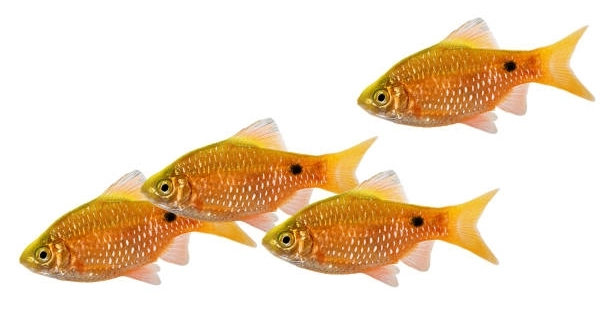
Are your rosy barbs often seen swimming in tight circles near the heater in your aquarium? This behavior can seem unusual or concerning for many fish keepers. Understanding why your fish do this helps in providing better care for them.
Rosy barbs circle the heater mainly because they seek warmer water or feel stressed due to water temperature fluctuations. The heater creates a temperature gradient, prompting the fish to stay near it to maintain comfort or cope with environmental changes.
Knowing the reasons behind this behavior will help you maintain a healthier environment and improve your fish’s well-being in their tank.
Why Rosy Barbs Prefer the Heater Area
Rosy barbs are tropical fish that thrive in stable water temperatures, usually between 74°F and 78°F. When the water in the tank gets cooler than this range, they naturally swim toward the heater. The heater warms the nearby water, creating a cozy spot where they feel comfortable. If the tank’s temperature fluctuates too much, the fish may repeatedly circle the heater to find the warmest area. This behavior can also be a sign of mild stress. For example, if the heater isn’t set properly or if the tank’s circulation is poor, the temperature won’t spread evenly. That uneven heating causes the fish to stay in one spot instead of exploring the whole tank. To keep rosy barbs happy, it’s important to maintain a consistent temperature and good water flow.
Keeping the heater area clean is also key. Build-up can affect heating efficiency.
This behavior is common and usually harmless but signals a need to check your tank’s setup.
Tank Temperature and Fish Behavior
Temperature directly affects fish metabolism and activity levels. If the water is too cold, rosy barbs become sluggish, and they gather near the heater to warm up. Conversely, if the tank is too warm, they may avoid the heater and seek cooler areas. Monitoring water temperature daily ensures you can quickly adjust settings and keep conditions stable. A reliable heater with a thermostat is essential for maintaining an even temperature. Without this, fish can become stressed, which weakens their immune systems and increases the risk of illness. Some fish also circle the heater when they feel insecure or bored. Adding plants or decorations can provide hiding spots, reducing stress and making your fish feel safer. In short, stable, appropriate temperature combined with a well-arranged tank encourages healthier, calmer rosy barbs.
Signs of Stress in Rosy Barbs
Circling the heater can be one of several stress signals in rosy barbs. Other signs include rapid gill movement, hiding, or loss of color. Stress often results from poor water quality, sudden changes in temperature, or overcrowding.
Poor water conditions force fish to seek refuge near the heater because the warmer water holds less oxygen. Overcrowded tanks increase competition for space, causing anxiety and erratic swimming. Sudden temperature shifts disrupt their comfort zone, making them cling to the heater’s warmth. Stress lowers their immunity, making infections more likely. Regular water testing and tank maintenance can prevent these problems. It’s important to monitor all environmental factors, not just temperature, to keep your fish calm and healthy.
Providing a stable environment with proper filtration and regular water changes reduces stress. Sometimes adding plants or décor helps your rosy barbs feel more secure, lowering their need to circle the heater.
How to Improve Your Tank Setup
Maintaining consistent water temperature is key for reducing circling behavior. Use a reliable heater with a thermostat and place it where the water flows evenly. Avoid placing the heater in a corner, which can create hot spots. A good filter helps circulate heat and oxygen throughout the tank.
Adding live plants or decorations gives your fish places to hide and explore, making them less likely to focus on the heater. Regular water changes and cleaning keep toxins low and improve overall water quality. Avoid overcrowding by following recommended stocking levels for rosy barbs. These steps create a balanced tank environment where your fish can swim freely without stress. Small changes like these can greatly improve their comfort and behavior.
Adjusting Water Temperature Gradually
Sudden temperature changes can shock rosy barbs and cause them to circle the heater. Always adjust the temperature slowly, about one degree per day, to help fish adapt without stress.
Using a reliable aquarium thermometer helps you monitor changes accurately. Consistency in temperature keeps fish calm and healthy, reducing unusual behavior.
Tank Size and Space Needs
Rosy barbs are active swimmers and need plenty of space. A tank smaller than 20 gallons can cause stress and limit movement, which may increase circling near the heater.
Providing an adequately sized tank helps your fish swim freely, reducing the chances they stay stuck in one warm spot.
Signs of Illness
Circling the heater might also be linked to illness. If your fish show signs like clamped fins, lethargy, or loss of appetite, it’s time to check water quality and consider treatment.
Addressing illness early helps prevent serious problems and keeps your rosy barbs comfortable.
Importance of Regular Monitoring
Regularly check your tank’s temperature, water quality, and fish behavior. Keeping an eye on these factors helps you catch issues early before they affect your fish’s health.
Why does my rosy barb keep swimming near the heater?
Rosy barbs often swim near the heater because they are seeking warmth. If the tank’s temperature is too low or fluctuating, the heater becomes a warm spot they naturally prefer. This behavior helps them maintain their body temperature and comfort. However, it can also indicate stress from uneven heat distribution or other environmental issues. Ensuring a stable, appropriate temperature and good water flow usually reduces this behavior.
Is it normal for rosy barbs to circle the heater?
Yes, circling the heater can be normal if the fish are just trying to find warmth. However, excessive circling can be a sign of stress or discomfort caused by temperature fluctuations, poor water quality, or lack of space. Watching for other symptoms, like lethargy or color changes, can help determine if there is a bigger problem.
How can I tell if my tank temperature is right for rosy barbs?
The ideal temperature range for rosy barbs is between 74°F and 78°F (23°C to 26°C). Use a reliable aquarium thermometer to monitor the temperature regularly. The heater should maintain a steady heat without large fluctuations. Sudden temperature changes or a wide temperature range can stress the fish, so keeping it consistent is key.
What should I do if the heater is making the water too warm?
If the water becomes too warm, your rosy barbs may avoid the heater or show signs of distress, such as rapid breathing or lethargy. Adjust the heater’s thermostat to lower the temperature gradually. You can also increase aeration and water flow to help distribute the heat more evenly and cool the tank slightly.
Can poor water quality cause my fish to circle the heater?
Yes, poor water quality can cause stress, making fish behave unusually, including circling the heater. High levels of ammonia, nitrites, or nitrates, or low oxygen levels can force fish to seek areas with better conditions, often near the heater where water may feel warmer but less oxygenated. Regular water testing and maintenance are essential to avoid this.
How often should I check my aquarium’s temperature?
It’s best to check your aquarium’s temperature daily, especially if you notice your fish circling the heater. Consistent monitoring helps you catch any heater malfunctions or temperature shifts early. This practice ensures your fish remain in a stable environment, reducing stress and health risks.
Does tank size affect my rosy barb’s behavior near the heater?
Yes, smaller tanks can cause stress and limit swimming space, leading rosy barbs to stay near the heater. Rosy barbs are active swimmers and need at least a 20-gallon tank to move freely. Providing enough space helps reduce stress and encourages natural swimming behavior.
Can adding plants or decorations reduce circling behavior?
Adding plants and decorations offers hiding spots and distractions for rosy barbs. This can reduce stress and boredom, making them less likely to focus on the heater area. Live plants also improve water quality by absorbing nitrates, creating a healthier environment overall.
Is circling near the heater a sign of illness?
Sometimes, yes. Circling near the heater paired with other signs like clamped fins, loss of appetite, or unusual swimming patterns may indicate illness. Stress from poor tank conditions can weaken fish and make them more vulnerable to disease. Prompt water testing and treatment are important to protect your fish’s health.
How do I gradually change water temperature to prevent stress?
Adjust the heater’s temperature by no more than one degree Fahrenheit per day. This slow change allows fish to adapt without shock. Avoid sudden temperature shifts when adding new water by pre-warming replacement water to match the tank’s temperature before adding it.
What type of heater is best for a rosy barb tank?
A heater with a built-in thermostat is best because it maintains a consistent temperature. Submersible heaters evenly distribute heat and reduce hot spots. Choose a heater rated for your tank size to ensure proper heating without overheating or underheating.
Why is water circulation important with a heater?
Good water circulation spreads heat evenly throughout the tank, preventing hot or cold spots. Without circulation, the area around the heater can become too warm, attracting fish and causing uneven temperature zones. A good filter or water pump helps keep conditions stable and comfortable.
How can I make sure my rosy barbs stay healthy and active?
Maintain stable temperature, good water quality, and proper tank size. Feed a balanced diet and provide hiding places with plants or décor. Regularly monitor your fish’s behavior and health to catch issues early. Creating a comfortable environment helps keep rosy barbs lively and reduces unusual behaviors like circling the heater.
Rosy barbs are lively and colorful fish that many people enjoy keeping in their aquariums. When they start circling near the heater, it can catch your attention and make you wonder what is going on. This behavior usually means the fish are looking for warmth or feeling stressed because the tank temperature is not quite right. By understanding why they do this, you can take steps to create a better environment for them. Keeping the water temperature steady and within their preferred range is very important. A good heater with a thermostat, placed where the water flows well, helps avoid hot or cold spots in the tank.
Aside from temperature, other factors can make rosy barbs circle the heater. Poor water quality, overcrowded tanks, or lack of hiding places can cause stress and make the fish behave unusually. When fish feel unsafe or uncomfortable, they tend to stick to one spot where they feel a bit more secure. Adding plants and decorations to the tank can give them hiding places and reduce their stress. Regular water tests and changes are also needed to keep the water clean and healthy. When all these conditions are met, rosy barbs are more likely to swim freely and happily around the whole tank instead of just circling near the heater.
It’s also important to watch your fish closely for signs of illness. Circling the heater can sometimes be a sign that a fish is not feeling well. Other signs to look for include clamped fins, loss of appetite, or unusual swimming patterns. If you notice these, checking the water quality and treating the fish as needed can help them recover. Overall, keeping a stable temperature, clean water, enough space, and hiding spots will help your rosy barbs stay healthy and active. Paying attention to their behavior is the best way to know when something needs fixing. Taking good care of your fish will let you enjoy watching their bright colors and playful movements for a long time.

Hello,
If you enjoy the content that we create, please consider saying a "Thank You!" by leaving a tip.
Every little bit helps us continue crafting quality advice that supports the health, happiness, and well-being of pets around the world, for pets of all shapes, sizes, and species.
We really appreciate the kindness and support that you show us!