
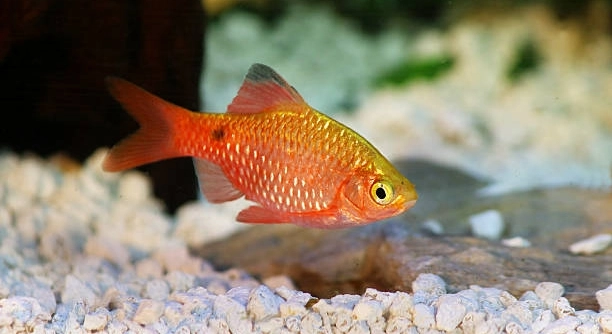
Rosy barbs are popular freshwater fish known for their vibrant colors and active behavior. Many aquarists enjoy watching their lively movements and often wonder about the best way to feed them. Feeding routines can affect their health and tank environment.
Rosy barbs can learn a feeding schedule to some extent through regular and consistent feeding times. Consistency helps regulate their metabolism and reduces overfeeding risks. Establishing a routine benefits both the fish and the aquarist by promoting healthier habits.
Understanding how to set up a feeding schedule can improve the care you provide. The following information will explain practical steps to help your rosy barbs thrive.
Understanding Rosy Barbs’ Feeding Behavior
Rosy barbs are active fish that often swim in groups, which influences how they eat. They are opportunistic feeders, meaning they will eat whenever food is available. This behavior can make it hard to control their feeding without a schedule. Regular feeding times help them anticipate food, reducing stress and promoting better digestion. Overfeeding can lead to water quality problems and health issues, so controlling portions is important. Rosy barbs do best with small, frequent meals rather than one large feeding. They respond well to high-quality flakes, pellets, and occasional live or frozen foods. Watching their behavior during feeding times can help identify if the schedule and portions are appropriate. Feeding at the same times daily encourages a routine that benefits the entire tank ecosystem by preventing leftover food buildup and maintaining cleaner water.
Consistency in feeding helps maintain the fish’s health and tank cleanliness, preventing common problems.
Having a set feeding schedule lets you observe your rosy barbs more easily and keep their environment stable. The fish will learn to expect meals, making feeding time less chaotic. This also reduces food waste and supports good water quality. If the fish seem restless before feeding, it’s a sign they recognize the routine. Maintaining this pattern requires commitment but results in healthier, happier fish.
Creating a Feeding Schedule for Rosy Barbs
Feeding your rosy barbs at consistent times daily builds a predictable routine for them.
Start by feeding them small amounts two to three times a day, spaced evenly. Monitor how much they consume in about two minutes, then adjust the portions to avoid leftovers. Consistency is key; choose feeding times that fit your daily routine and stick to them. Avoid feeding late at night or irregular hours, as it disrupts their internal rhythm. If you miss a feeding, do not double the next one; keep the schedule steady. Including a variety of food types ensures balanced nutrition. Over time, the fish will learn when to expect food, reducing unnecessary aggression during feeding. A well-planned feeding schedule improves their digestion, coloration, and activity levels, creating a stable environment for your aquatic pets. Regular observation and adjustment of feeding amounts keep the fish healthy without overfeeding risks.
Signs Your Rosy Barbs Are Adapting to the Schedule
Rosy barbs show clear signs when they get used to a feeding routine. They become more active near feeding times and stop begging for food outside those times. This indicates they have learned the schedule.
When rosy barbs start swimming near the food source before feeding, it means they recognize the routine. They stop chasing food aggressively throughout the day, which reduces stress and aggression in the tank. If the fish maintain good health and vibrant colors, it shows the feeding schedule supports their needs. Sudden changes in behavior or appetite may suggest the routine needs adjustment. Observing these signs helps you fine-tune feeding times and portions for the best results.
Consistency also improves water quality since uneaten food decreases. This benefits the entire tank and reduces maintenance needs.
Tips to Maintain a Successful Feeding Schedule
Stick to feeding times strictly to help rosy barbs develop a clear routine.
Use a timer or reminder to keep feeding times consistent, especially if your daily schedule varies. Prepare food in advance to avoid delays during busy days. Keep portion sizes controlled to prevent overfeeding, which can cause water pollution. If you travel or need to skip feedings, consider using automatic feeders designed for small fish. Regularly clean the tank and check water parameters, as stable water quality supports feeding habits. Adjust feeding times gradually if changes are necessary to avoid stressing the fish. Keeping a feeding log can help track progress and notice patterns in your rosy barbs’ behavior and health.
Common Challenges in Feeding Rosy Barbs
Rosy barbs may not always follow a feeding schedule perfectly. Changes in environment or stress can disrupt their routine.
Some fish might overeat while others eat less, causing imbalances. Patience and careful observation help address these issues effectively.
Adjusting Feeding Schedules for Growth and Season
As rosy barbs grow, their nutritional needs change. Younger fish require more frequent feedings than adults. Seasonal changes can also affect their metabolism, requiring adjustments in feeding frequency and portions. Monitoring their activity and health helps determine the best feeding plan for each stage. Gradual changes to the schedule ensure the fish adapt without stress.
The Role of Water Quality in Feeding Habits
Poor water quality can reduce appetite and disrupt feeding behavior. Maintaining clean, stable water is essential for a consistent feeding schedule.
Feeding Rosy Barbs on Vacation
Automatic feeders can provide reliable feeding during short trips, keeping the schedule steady.
How often should I feed my rosy barbs?
Rosy barbs do well with two to three small feedings daily. This frequency matches their natural tendency to graze throughout the day. Feeding more than three times may increase the risk of overfeeding and water quality problems. Watching how much they eat in about two minutes helps you adjust portion sizes correctly.
Can rosy barbs learn to eat at specific times?
Yes, rosy barbs can learn to expect food at regular times through consistent feeding schedules. Over time, they will become more active around feeding times and reduce begging for food at other times. This routine helps improve their digestion and overall health.
What should I feed rosy barbs?
A balanced diet for rosy barbs includes high-quality flakes or pellets designed for tropical fish. Supplementing with live or frozen foods like bloodworms or brine shrimp provides variety and supports their natural feeding instincts. Avoid overfeeding any single type of food.
What happens if I overfeed rosy barbs?
Overfeeding leads to uneaten food, which decomposes and harms water quality. This can cause spikes in ammonia and nitrites, stressing the fish and encouraging disease. Excess food also contributes to obesity and digestive problems in rosy barbs.
How do I know if I am underfeeding?
If rosy barbs seem thin, less active, or show faded colors, they might not be getting enough food. Watch for aggressive behavior during feeding, which can indicate competition for limited food. Adjust portions gradually to improve their health without causing overfeeding.
Is it okay to skip a feeding?
Skipping an occasional feeding is generally safe for rosy barbs and can help prevent overfeeding. They can tolerate short periods without food, but regular feeding should resume promptly to maintain health. Avoid skipping feedings frequently.
Can rosy barbs eat at night?
Rosy barbs are diurnal, meaning they are active during the day and rest at night. Feeding them at night disrupts their natural rhythm and may cause stress. Feeding should be limited to daylight hours, preferably in the morning and late afternoon.
How can I keep my feeding schedule consistent?
Using alarms or reminders can help maintain consistent feeding times. Preparing food in advance and keeping it ready also reduces delays. Automatic feeders can be useful during busy days or short absences but should be monitored to avoid overfeeding.
What if my rosy barbs refuse to eat?
Refusal to eat can signal stress, illness, or poor water quality. Check water parameters and tank conditions first. Offer varied foods to stimulate appetite. If problems persist, isolate the fish and consult an aquatic veterinarian.
How important is water quality for feeding routines?
Water quality directly affects feeding behavior. Poor conditions reduce appetite and can lead to health problems. Regular water changes and monitoring help keep the environment stable, encouraging normal feeding habits and preventing disease.
Should I change feeding schedules as my rosy barbs grow?
Yes, younger rosy barbs need more frequent feedings, while adults require fewer but balanced meals. Adjusting feeding routines according to growth stages supports optimal development and maintains health.
Can I feed rosy barbs the same food every day?
Feeding only one type of food can lead to nutritional deficiencies. Mixing flakes, pellets, and live or frozen foods ensures balanced nutrition. Variety also keeps the fish interested in their meals and supports natural behaviors.
Are there signs my rosy barbs are stressed from feeding times?
Signs include frantic chasing of food, hiding, or lethargy outside feeding times. Stress can result from inconsistent schedules or poor tank conditions. Observing their behavior helps identify and fix feeding-related stress.
Can automatic feeders replace manual feeding entirely?
Automatic feeders are convenient but should not completely replace manual feeding. They may not provide food variety and can malfunction. Regular observation and occasional manual feeding ensure the fish’s needs are fully met.
What should I do if I miss a feeding day?
Skipping one day occasionally won’t harm rosy barbs, but avoid making it a habit. Resume regular feeding as soon as possible. Avoid feeding extra food the next day, as this can cause digestive upset and water issues.
How long does it take for rosy barbs to learn a feeding schedule?
Rosy barbs can begin recognizing feeding times within a week of consistent practice. Full adaptation, including reduced begging and calm behavior between meals, may take several weeks depending on individual fish and tank conditions.
Can feeding schedules prevent aggression among rosy barbs?
Yes, predictable feeding reduces competition and aggressive chasing by setting clear expectations. Feeding small amounts frequently and ensuring enough space helps minimize conflict. Aggression may still occur if the tank is overcrowded or stressed.
Are there any special feeding needs for pregnant or breeding rosy barbs?
Breeding rosy barbs benefit from higher protein diets, including live or frozen foods. Frequent small meals support energy needs during pregnancy and spawning. Adjust feeding to avoid excess waste that can harm water quality during this sensitive time.
Is fasting beneficial for rosy barbs?
Occasional fasting, such as one day per week without feeding, can help clear their digestive system and prevent overfeeding. This practice should be done carefully and not more often, ensuring the fish remain healthy and active.
How can I tell if my feeding schedule is working?
Healthy, active rosy barbs with vibrant colors and normal behavior indicate a good feeding routine. Stable water quality and minimal leftover food also show success. Regular observation and small adjustments keep the schedule effective and the fish thriving.
Establishing a feeding schedule for rosy barbs is an important part of keeping them healthy and happy. Consistency in feeding times helps the fish develop a routine, which benefits their digestion and overall well-being. Feeding small amounts two to three times a day matches their natural eating habits and reduces the chance of overfeeding. Overfeeding can cause water quality problems and stress for the fish, so it is better to control portions carefully. Watching your rosy barbs’ behavior during feeding times can help you see if they are adjusting well to the schedule. If they become more active near feeding times and show less begging at other times, it means they are learning the routine.
Keeping a feeding schedule requires attention and commitment, but the results are worth it. A well-planned routine creates a healthier tank environment by reducing leftover food, which can pollute the water. Clean water is essential for preventing diseases and supporting the fish’s natural behavior. Using reminders or automatic feeders can help maintain feeding times, especially on busy days or when you are away for short periods. However, automatic feeders should be used carefully and checked regularly to avoid overfeeding or malfunction. Adjusting the feeding schedule as the fish grow or as seasonal changes occur ensures that their nutritional needs continue to be met properly. Feeding a varied diet with flakes, pellets, and occasional live or frozen foods will keep rosy barbs healthy and interested in their meals.
Understanding your rosy barbs’ feeding habits and how they respond to schedules will improve your care routine. Paying attention to their signs of hunger, stress, or illness allows you to make timely changes to feeding amounts and timing. A steady feeding schedule can also reduce aggression by setting clear expectations for the fish, making feeding times calmer and more organized. Overall, a consistent feeding routine supports your rosy barbs’ health, activity, and coloration. It also creates a cleaner, more stable aquarium environment, making fishkeeping more enjoyable. Taking these simple steps will help you provide the best care for your rosy barbs.

Hello,
If you enjoy the content that we create, please consider saying a "Thank You!" by leaving a tip.
Every little bit helps us continue crafting quality advice that supports the health, happiness, and well-being of pets around the world, for pets of all shapes, sizes, and species.
We really appreciate the kindness and support that you show us!