
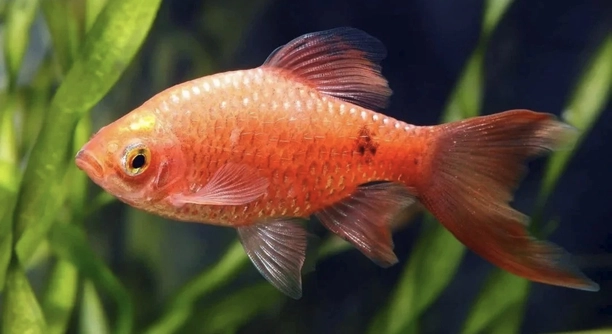
Rosy barbs are colorful and lively fish popular in home aquariums. Many hobbyists want to know how well they get along with bottom feeders. Creating a peaceful tank environment depends on understanding fish behavior and needs.
Rosy barbs can coexist with many bottom feeders if the tank is spacious and well-maintained. Their semi-aggressive nature requires careful selection of calm bottom-dwelling species to avoid stress and competition for food.
Finding the right balance in your aquarium helps keep all fish healthy and comfortable in their shared space.
Understanding Rosy Barbs’ Behavior and Temperament
Rosy barbs are moderately active fish with a curious nature. They enjoy swimming in groups and can sometimes show mild aggression, especially when kept in small numbers. This behavior means they need plenty of space and hiding spots to feel secure. When kept with bottom feeders, their activity mostly stays in the upper and middle levels of the tank. However, they may chase slower or smaller fish if the tank is overcrowded or lacks proper enrichment. Knowing their temperament helps when choosing compatible tank mates. Rosy barbs tend to eat fast and can sometimes compete aggressively for food, which might stress bottom dwellers. Providing a varied diet and feeding in different tank areas helps reduce tension. Overall, a balanced tank setup with enough space and hiding places encourages peaceful coexistence. Observing their interactions regularly allows timely adjustments to maintain harmony in the aquarium.
Careful observation of Rosy barbs’ behavior helps ensure a calm environment for all fish in the tank.
When planning a community tank, consider the activity level and temperament of each species. Rosy barbs prefer swimming freely and might become territorial if confined. Bottom feeders like Corydoras or kuhli loaches tend to stay near the substrate and avoid conflicts. These bottom dwellers are peaceful and help clean leftover food, contributing to tank cleanliness. To avoid problems, keep Rosy barbs in groups of five or more to reduce aggression. A tank size of at least 30 gallons is recommended to allow enough space for both types of fish. Adding plants, rocks, and decorations creates hiding spots and reduces stress. Feeding should be managed carefully so bottom feeders get enough food without competition. This balance supports healthy fish behavior and reduces the chance of injury or stress-related illness.
Choosing Compatible Bottom Feeders for Rosy Barbs
Many bottom feeders work well with Rosy barbs, but it’s best to select peaceful, fast-moving species that won’t provoke the barbs. Corydoras catfish are excellent choices because of their calm nature and ability to scavenge without bothering other fish. Kuhli loaches also do well since they are nocturnal and spend most time hiding or searching the substrate quietly. Avoid aggressive or very slow bottom feeders, as they may become targets for chasing. Shrimp and snails can be added as tank cleaners, but make sure the barbs don’t see them as food. Matching water parameters is important; both Rosy barbs and bottom feeders usually prefer slightly alkaline, clean water. Regular water changes and tank maintenance keep the environment stable and reduce stress. By selecting suitable bottom dwellers and maintaining good conditions, the tank becomes a peaceful community where all fish thrive.
Rosy barbs and well-chosen bottom feeders can share space successfully with proper care and setup.
A good tank setup for both involves providing open swimming areas for the barbs and plenty of hiding spots for the bottom dwellers. Feeding strategies should include sinking pellets or wafers for bottom feeders alongside flake or pellet food for Rosy barbs. Avoid overcrowding to minimize competition and stress. Regular monitoring helps spot any signs of aggression or health issues early. Maintaining stable water temperature between 68–78°F and moderate flow benefits both fish types. Plants like Java fern and Anubias create natural barriers and comfort zones. Gravel substrate suits bottom feeders and allows natural digging behaviors. With attention to these details, a community tank can flourish, offering a colorful and active display that is enjoyable to watch and care for.
Feeding Rosy Barbs and Bottom Feeders Together
Feeding both Rosy barbs and bottom feeders requires planning. Rosy barbs feed mostly at the surface, while bottom feeders need sinking food to reach them. Offering a variety of foods keeps everyone healthy and reduces competition.
Providing flakes or pellets for Rosy barbs and sinking wafers or pellets for bottom feeders ensures all fish get enough nutrition. Feed small amounts multiple times a day to avoid leftovers that can pollute the tank. It helps to distribute food in different areas so barbs eat near the top and middle, while bottom feeders find food on the substrate. This reduces stress and prevents food stealing. Occasionally, supplement the diet with live or frozen foods like bloodworms or brine shrimp to boost health and color.
If bottom feeders seem hungry or barbs dominate feeding time, increase feeding spots or frequency. Observing eating habits helps adjust feeding routines and avoid aggression. Clean up uneaten food to maintain water quality. Balanced feeding supports peaceful coexistence and promotes vibrant, active fish.
Tank Setup Tips for Peaceful Coexistence
A well-planned tank reduces stress and aggression. Provide plenty of hiding places using plants, rocks, or decorations for bottom feeders to retreat when needed. Open swimming spaces keep Rosy barbs comfortable.
Decorate the tank with live or artificial plants like Java fern, Anubias, and floating plants to offer cover. Use smooth rocks and driftwood to create caves and hiding spots. These additions break sightlines and reduce territorial disputes. Ensure substrate is soft and suitable for bottom feeders to dig and search for food without injury. Maintain moderate water flow and stable temperature. Good filtration keeps the water clean and oxygenated. Regular tank cleaning and water changes prevent buildup of harmful substances. Position lights to create shaded areas, helping shy bottom dwellers feel safe. With these elements, your tank supports a peaceful community where both Rosy barbs and bottom feeders thrive comfortably.
Monitoring Fish Health and Behavior
Regular observation is key to maintaining a healthy tank. Watch for signs of stress, aggression, or illness among Rosy barbs and bottom feeders. Early detection prevents serious problems.
If you notice chasing, hiding, or changes in eating habits, adjust the environment or tank mates as needed. Keeping the water clean also supports fish health.
Water Quality Maintenance
Maintaining stable water parameters is essential. Rosy barbs and bottom feeders thrive in clean, slightly alkaline water with moderate hardness. Frequent water changes and good filtration help keep ammonia and nitrate levels low, reducing stress and disease risks.
Adjusting Tank Conditions
Be ready to tweak temperature, pH, or decorations if fish behavior changes. Stability helps prevent aggression and promotes harmony.
Regular testing and careful adjustments keep your aquarium environment safe for all inhabitants.
FAQ
Can Rosy barbs live peacefully with all bottom feeders?
Not all bottom feeders are good matches for Rosy barbs. Peaceful species like Corydoras catfish, kuhli loaches, and some types of plecos usually do well. Aggressive or very slow-moving bottom feeders may become targets or stressed by the barbs. Choosing calm and quick bottom dwellers helps avoid conflicts.
How many Rosy barbs should be kept together?
Rosy barbs are schooling fish and do best in groups of at least five. This reduces aggression and helps spread out their energy. Keeping fewer than five can cause them to become territorial or chase other fish, including bottom feeders.
What tank size is recommended for Rosy barbs with bottom feeders?
A minimum of 30 gallons is ideal to provide enough swimming space for Rosy barbs and room on the bottom for bottom dwellers. Larger tanks help reduce stress and territorial disputes by giving fish more space to establish their own areas.
How should I feed Rosy barbs and bottom feeders together?
Feed flakes or pellets near the surface or middle for Rosy barbs. Use sinking wafers or pellets for bottom feeders so the food reaches them. Feeding small amounts several times a day helps prevent leftover food and reduces competition between fish.
Are Rosy barbs aggressive toward bottom feeders?
Rosy barbs can show mild aggression if kept in small groups or overcrowded tanks. However, in a spacious, well-planted tank with enough companions, their aggression is usually minimal. Monitoring their behavior helps prevent bullying of bottom feeders.
What water conditions suit both Rosy barbs and bottom feeders?
Both prefer clean, well-oxygenated water with a temperature between 68–78°F. A slightly alkaline pH of 7.0 to 8.0 works well. Stable water parameters with regular changes and good filtration help keep all fish healthy.
Can I keep shrimp or snails with Rosy barbs and bottom feeders?
Small shrimp and snails can be kept, but Rosy barbs may see them as food, especially if they are small or slow-moving. Snails with hard shells are usually safer. Provide plenty of hiding spots to protect these smaller creatures.
How often should I clean the tank?
A weekly partial water change of 20-30% is recommended. Clean the substrate gently to remove uneaten food and waste without disturbing beneficial bacteria. Regular maintenance keeps water quality high and reduces stress for all fish.
What plants are good for a tank with Rosy barbs and bottom feeders?
Plants like Java fern, Anubias, and floating plants create hiding places and break up sightlines, helping reduce aggression. Hardy plants that can tolerate some nibbling and moderate light work best in these community tanks.
What signs indicate a problem in a mixed tank?
Watch for constant chasing, hiding, loss of appetite, or faded colors. These signs often indicate stress or illness. If aggression or illness occurs, test water parameters and consider rearranging the tank or separating fish if needed.
Can Rosy barbs damage plants?
Rosy barbs may nibble on soft plants but usually do not uproot or destroy them. Choosing hardy plants and securing them well reduces damage. Bottom feeders generally do not harm plants and may help by eating algae.
Is it necessary to quarantine new fish?
Quarantining new fish before adding them to your main tank reduces the risk of disease spreading. A separate tank for observation and treatment helps keep the main aquarium safe for all inhabitants.
What is the best substrate for a tank with Rosy barbs and bottom feeders?
Fine gravel or sand is ideal. It allows bottom feeders to dig and search for food safely. Avoid sharp or coarse substrates that can injure fish or damage barb’s delicate barbels.
How can I reduce aggression if it appears?
Increase tank size or add more plants and decorations to create hiding spots. Increasing the group size of Rosy barbs also helps spread out aggression. Feeding more frequently and in multiple locations can lower competition for food.
Are Rosy barbs suitable for beginners?
Yes, they are hardy fish and adapt well to community tanks if their needs are met. Proper tank size, good water quality, and compatible tank mates make them a good choice for those new to fishkeeping.
Rosy barbs and bottom feeders can share a tank successfully when their needs are properly met. These fish have different habits—Rosy barbs swim mostly in the upper and middle levels, while bottom feeders stay near the substrate. This natural separation helps reduce conflicts and stress. However, space is important. A tank that is too small can lead to overcrowding, making Rosy barbs more likely to chase or bother slower fish on the bottom. Providing plenty of room and hiding spots creates a more peaceful environment. Plants, rocks, and decorations not only add beauty but also give bottom dwellers places to retreat and feel safe.
Feeding is another key factor for harmony. Rosy barbs are active feeders and tend to eat near the water surface or mid-level, while bottom feeders need sinking food to reach them comfortably. Feeding in multiple spots and offering a variety of foods helps make sure all fish get enough nutrition without competing too much. Watching feeding behavior closely allows you to adjust portions and timing as needed. Avoiding overfeeding is also important because leftover food can pollute the tank, causing water quality problems that affect fish health. Regular cleaning and water changes help keep the tank environment stable and safe for all species.
Finally, it’s important to monitor your fish regularly. Fish can change behavior if they are stressed, sick, or unhappy. Signs like chasing, hiding, loss of appetite, or dull colors are warning signals. Early action can prevent bigger problems. Keeping water conditions stable and suitable for both Rosy barbs and bottom feeders is essential. Testing water parameters often and performing maintenance keeps the tank healthy. Remember, patience and observation help create a balanced community where your fish can live comfortably together. With thoughtful care, Rosy barbs and bottom feeders can share their space peacefully and bring color and activity to your aquarium.

Hello,
If you enjoy the content that we create, please consider saying a "Thank You!" by leaving a tip.
Every little bit helps us continue crafting quality advice that supports the health, happiness, and well-being of pets around the world, for pets of all shapes, sizes, and species.
We really appreciate the kindness and support that you show us!