
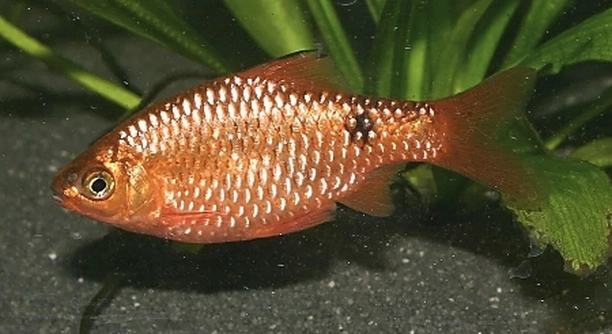
Rosy barbs are popular aquarium fish known for their lively colors and active behavior. Occasionally, these fish may lose interest in food, which can worry their owners. Understanding the reasons behind this change is important for proper care.
Loss of appetite in rosy barbs can result from stress, water quality issues, illness, or changes in environment. These factors affect their health and behavior, leading to reduced feeding. Identifying and addressing these causes helps restore their normal eating habits.
Knowing why your rosy barb stops eating can help maintain its health and vitality. This article will explain common causes and solutions to keep your fish thriving.
Common Causes of Loss of Appetite in Rosy Barbs
Rosy barbs can stop eating for several reasons, with water quality being one of the most important. Poor water conditions cause stress, making the fish less interested in food. Changes in temperature, pH, or high ammonia levels often affect their appetite. Illness is another factor; infections or parasites can make them weak and unwilling to eat. Stress from overcrowding or sudden changes in their environment also plays a role. Sometimes, they may simply be adjusting to a new tank or new tank mates. Overfeeding can cause digestive problems, which might also reduce their interest in food. Observing your fish’s behavior and tank conditions carefully can help identify the cause. Regular water tests and proper tank maintenance prevent many issues. Addressing these factors quickly supports their health and encourages them to eat normally again.
Regular water testing and maintaining stable conditions are essential to avoid appetite problems in rosy barbs.
In some cases, lack of appetite is linked to illness or parasites. Fish may show other symptoms like lethargy, clamped fins, or unusual spots. Quarantining new fish and keeping the tank clean can prevent disease. Offering a varied diet can also help stimulate their interest in food.
Improving Your Rosy Barb’s Appetite
If your rosy barb is not eating, small changes can make a big difference. First, ensure the water parameters are ideal: temperature between 74-79°F, pH around 6.5 to 7.5, and ammonia and nitrite at zero. Keep the tank clean by doing regular water changes and vacuuming the substrate. Introduce new food types gradually to tempt your fish. Live or frozen foods like bloodworms or brine shrimp often encourage feeding. Avoid overfeeding, as leftover food pollutes the water and stresses fish. Observe the fish closely for any signs of illness and treat if necessary. Creating a calm environment by limiting sudden movements and loud noises also helps reduce stress. Sometimes, simply feeding smaller amounts more frequently will trigger their appetite. Consistency and patience are key when helping your rosy barb regain interest in food.
Monitoring Tank Environment Closely
Keeping a close eye on the tank environment is essential to maintain your rosy barb’s health. Regular checks on water temperature, pH, and cleanliness help catch problems early before they affect your fish’s appetite.
Maintaining stable water parameters supports your rosy barb’s well-being and reduces stress. Frequent water testing helps identify harmful changes such as spikes in ammonia or nitrite. These chemicals can quickly weaken fish and cause loss of appetite. Cleaning the tank and performing partial water changes weekly help keep the water safe and fresh. Avoid overcrowding the tank to reduce waste buildup and aggression. Proper filtration and aeration also contribute to a healthy environment. Small, consistent efforts in tank maintenance go a long way toward encouraging your fish to eat normally.
Observing your fish’s behavior daily can help spot issues like hiding or sluggishness early. This awareness allows timely intervention before appetite loss worsens.
Feeding Tips to Encourage Eating
Offering a varied diet can stimulate your rosy barb’s interest in food. Include high-quality flakes, pellets, and occasional live or frozen foods like brine shrimp or daphnia. Feeding smaller amounts multiple times a day often works better than one large feeding.
Rotating different types of food prevents boredom and provides balanced nutrition. Live or frozen treats mimic natural prey, triggering feeding instincts. Avoid overfeeding, which leads to poor water quality and health problems. Use feeding tools or tweezers if needed to place food near shy fish. Monitor how much your rosy barb eats and remove uneaten food promptly. Consistent feeding schedules help fish adjust and maintain healthy appetites. Being patient while trying new foods is important, as fish can be cautious about unfamiliar items. Gradual changes in diet often produce the best results.
Recognizing Stress Signs
Stress affects rosy barbs’ appetite significantly. Common signs include hiding, rapid breathing, and erratic swimming. Recognizing these signs early helps prevent long-term health problems.
Reducing stress involves stabilizing tank conditions and minimizing disturbances. Avoid overcrowding and provide plenty of hiding spots to help your fish feel secure.
The Role of Tank Mates
Tank mates influence rosy barbs’ behavior and feeding habits. Aggressive or overly active fish may intimidate them, causing stress and loss of appetite. Choose peaceful, compatible species to maintain balance.
Introducing new fish gradually allows rosy barbs to adjust. Properly sized tanks with ample space reduce competition and improve overall comfort.
When to Consult a Vet
If your rosy barb’s appetite does not improve despite adjustments, professional help may be necessary. Persistent loss of appetite can indicate underlying health issues needing treatment.
FAQ
Why is my rosy barb not eating but looks healthy?
Sometimes rosy barbs stop eating temporarily due to mild stress or minor changes in their environment. Even if they appear healthy, factors like new tank conditions, slight water parameter shifts, or changes in tank mates can affect their appetite. It’s often temporary and resolves once they adjust.
How long can a rosy barb go without eating?
Rosy barbs can usually survive about one to two weeks without food, but this is not ideal. Prolonged fasting weakens their immune system and overall health. If your fish refuses to eat for more than a couple of days, it’s important to check water quality and look for signs of illness.
Can water temperature affect my rosy barb’s appetite?
Yes, water temperature greatly impacts their metabolism and feeding behavior. If the tank is too cold, rosy barbs become less active and eat less. Temperatures between 74-79°F (23-26°C) are ideal for maintaining their appetite and health.
Could my rosy barb be picky about food?
Rosy barbs sometimes reject food they aren’t used to. They can be picky if their diet lacks variety or if new foods are introduced too quickly. Offering different types like flakes, pellets, frozen or live foods in small amounts often encourages them to eat.
Is it normal for rosy barbs to skip meals?
It’s normal for rosy barbs to occasionally eat less or skip a meal, especially during acclimation or minor stress. However, frequent refusal to eat or consistent loss of appetite indicates a problem needing attention.
How can I tell if my rosy barb is sick?
Signs of illness include lethargy, faded colors, clamped fins, unusual swimming patterns, or spots on the body. Loss of appetite often accompanies these symptoms. If you notice any of these signs, quarantine the fish and consider treatment options.
Can overcrowding cause my rosy barb to stop eating?
Overcrowding increases stress and competition for food, causing some fish to stop eating. Ensure your tank has enough space and hiding spots. A general rule is one inch of fish per gallon of water to reduce stress and encourage feeding.
Should I change my feeding schedule if my rosy barb isn’t eating?
Adjusting the feeding schedule can help. Try feeding smaller amounts more frequently rather than one large meal. This method mimics their natural feeding habits and may encourage them to eat when they feel ready.
Can sudden changes in tank conditions cause loss of appetite?
Yes, sudden changes in water temperature, pH, or introduction of new tank mates can stress rosy barbs and reduce their interest in food. Gradual changes and stable conditions help maintain their appetite.
What are the best foods to encourage my rosy barb to eat?
High-quality flakes or pellets designed for tropical fish work well. Supplement these with live or frozen foods like bloodworms, brine shrimp, or daphnia to stimulate feeding instincts. Variety is key to maintaining interest.
How often should I clean the tank to prevent appetite issues?
Regular maintenance is crucial. Partial water changes of about 20-30% weekly and removing uneaten food help maintain water quality. Clean filters monthly but avoid disturbing beneficial bacteria. Good water quality supports healthy feeding behavior.
Is it safe to fast my rosy barb occasionally?
Fasting for one day a week is safe and can aid digestion. However, prolonged fasting or frequent refusal to eat is harmful. Monitor your fish closely and ensure they return to normal eating habits quickly.
What steps should I take if my rosy barb stops eating suddenly?
First, test water parameters to rule out poor conditions. Check for signs of illness or stress and observe tank mates’ behavior. Offer varied foods and adjust feeding frequency. If no improvement occurs within a few days, consult an aquatic veterinarian.
Rosy barbs can sometimes lose interest in food for a variety of reasons. Changes in water quality, stress, illness, or even dietary issues often cause this behavior. Understanding these factors is important for maintaining the health of your fish. By paying close attention to their environment and habits, you can often identify the problem early. Taking quick action helps prevent more serious health issues and supports your rosy barb’s well-being.
Maintaining stable water conditions is one of the best ways to keep your rosy barb healthy and interested in food. Regular water testing and tank cleaning reduce harmful chemicals and stress. Providing a balanced diet with a mix of flakes, pellets, and occasional live or frozen foods also encourages feeding. Avoiding overcrowding and ensuring compatible tank mates improve the overall comfort of your fish. Small, consistent efforts in tank care often lead to better appetite and stronger health.
If your rosy barb continues to refuse food despite good tank conditions and varied diet, it may be a sign of illness. Watch for other symptoms like unusual swimming, color changes, or lethargy. Consulting a veterinarian who specializes in fish can help diagnose and treat problems early. Patience is important, as some fish take time to adjust after stress or changes. Overall, regular care, monitoring, and gentle feeding will support a happy and healthy rosy barb.

Hello,
If you enjoy the content that we create, please consider saying a "Thank You!" by leaving a tip.
Every little bit helps us continue crafting quality advice that supports the health, happiness, and well-being of pets around the world, for pets of all shapes, sizes, and species.
We really appreciate the kindness and support that you show us!