
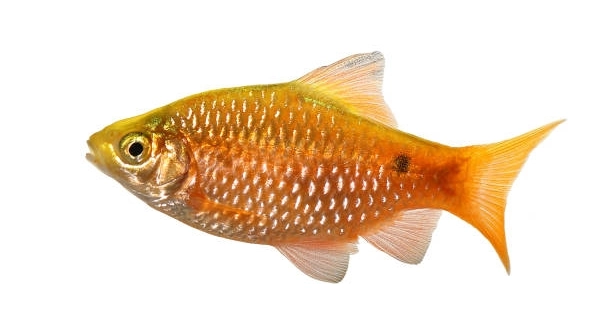
Tiny bubbles in aquarium tanks can sometimes create frustration for owners of rosy barbs. These small bubbles often appear on the water surface or near decorations, causing mild annoyance without clear cause. Understanding these bubbles helps maintain a calm tank environment.
Seven main causes of tiny bubbles affecting rosy barbs include over-aeration, poor water circulation, excess organic matter, rapid temperature changes, chemical imbalances, inadequate tank cleaning, and the presence of certain plants or decorations that trap air. Each factor contributes uniquely to bubble formation and fish stress.
Knowing what creates these bubbles can improve your tank’s balance and your fish’s comfort. The following insights explain each cause and suggest practical steps to reduce this common aquarium issue.
Over-Aeration and Poor Water Circulation
Over-aeration happens when too much air is pumped into the tank. This creates a lot of tiny bubbles that can cling to the rosy barbs’ fins and skin. Poor water circulation can also trap bubbles in certain areas of the tank, making the problem worse. Both issues can cause stress to the fish and interfere with their normal swimming behavior. Adjusting the air pump or repositioning it can reduce bubble build-up. Making sure water flows evenly around the tank helps prevent bubbles from settling in one spot. Proper filtration supports healthy water movement and reduces the chance of bubble clusters. It’s important to check equipment regularly to keep conditions ideal for rosy barbs.
Air pumps set too high often cause unnecessary bubbles. Reducing airflow or adding a diffuser can help balance this problem.
Adjusting the equipment that controls air and water movement is the simplest way to minimize tiny bubbles. Fine-tuning the flow helps create a stable environment, which lowers stress for the fish. Keeping water moving gently but steadily prevents bubbles from sticking and cluttering parts of the tank. Regular maintenance of filters and pumps ensures they work as they should, improving circulation and reducing trapped air. If plants or decorations cause dead zones, rearranging them can also improve flow. This care improves overall tank health and makes the aquarium a better home for rosy barbs.
Excess Organic Matter and Temperature Changes
Organic matter, such as leftover food or decaying plants, increases bubbles because it releases gases during breakdown. These gases can form small bubbles on surfaces in the tank. Temperature changes also affect bubble formation. When water temperature shifts quickly, dissolved gases come out of the water and create tiny bubbles. This often happens after water changes or heating adjustments. Keeping the tank clean and stable helps control these factors. Regular removal of waste and monitoring temperature prevent excess bubble build-up. Stable conditions protect rosy barbs from stress caused by sudden changes or poor water quality. Careful attention to cleaning and temperature makes a noticeable difference in bubble control.
Chemical Imbalances in the Tank
Chemical imbalances occur when water parameters like pH, ammonia, nitrites, or nitrates are off. These imbalances can cause bubbles to form or cling to surfaces. Regular testing helps catch these issues early. Adjusting water conditions keeps the environment healthy for rosy barbs and reduces bubble problems.
Maintaining stable water chemistry is essential to prevent bubbles and keep fish healthy. Ammonia and nitrite spikes can stress fish, leading to unusual behaviors. High nitrate levels encourage algae growth, which traps air bubbles. Regular water changes, proper filtration, and careful monitoring of chemicals help maintain balance. Using test kits weekly helps identify any shifts before they become serious. Adding conditioners or adjusting pH slowly can restore the proper water balance. This attention protects rosy barbs and supports a clear, bubble-free aquarium environment.
Chemical imbalances often develop from overfeeding or infrequent water changes. Feeding less and cleaning the tank regularly helps maintain good water quality. When chemicals are balanced, bubbles caused by gas release or algae reduce significantly. Keeping water stable supports fish health and limits stress caused by bubbles. Proper care improves the tank’s overall environment and reduces the chance of bubble build-up on plants, decorations, and fish.
Inadequate Tank Cleaning and Plants or Decorations
Infrequent tank cleaning allows debris and waste to build up, leading to bubble formation. Plants and decorations can trap air, especially if they have rough surfaces or tight spaces.
Regular cleaning removes organic waste and prevents gases from accumulating under surfaces. Algae or biofilm growth on plants and decorations can hold tiny air pockets, which appear as bubbles. Trimming dead plant parts and gently cleaning decorations reduce trapped air. Rearranging decorations may help improve water flow, preventing stagnant areas where bubbles collect. Keeping the tank clean also reduces the chance of harmful bacteria or fungus growing, supporting rosy barb health.
Plants and decorations add beauty but can cause bubble clusters if not maintained. Selecting smooth, open decorations and regularly cleaning plants reduces trapped air. Using a soft brush or siphon during water changes helps clear hidden spaces. Avoid overcrowding the tank, which limits circulation around objects. Good maintenance keeps bubbles to a minimum and improves the overall look and function of the aquarium. This creates a calmer environment that rosy barbs thrive in and enjoy.
Rapid Temperature Changes
Rapid temperature changes cause dissolved gases to escape, creating tiny bubbles in the water. These bubbles can stick to fish and surfaces, which may stress rosy barbs. Keeping temperature stable reduces this problem significantly.
Using a reliable heater and avoiding sudden water changes helps maintain steady temperature. Slowly adjusting water temperature during changes prevents gas release and bubble formation. This care protects the fish and keeps the aquarium clear of excess bubbles.
Overfeeding
Overfeeding increases waste and organic matter, which leads to bubble formation during decomposition. Feeding only what rosy barbs can eat in a few minutes helps avoid this issue. Excess food also harms water quality and stresses fish.
Aquarium Maintenance Tips
Consistent maintenance is key to reducing bubbles and keeping rosy barbs healthy. Regular water changes, filter cleaning, and monitoring water quality prevent conditions that cause bubbles. Removing debris and trimming plants also help keep the tank clean and stable. Proper care improves fish comfort and aquarium appearance.
Avoiding Bubble Stress
FAQ
Why do tiny bubbles stick to my rosy barbs?
Tiny bubbles often form when dissolved gases escape the water or get trapped on fish. Over-aeration, poor circulation, or rapid temperature changes can cause bubbles to cling to fins and skin. These bubbles might cause mild stress but usually aren’t harmful if the tank conditions are good.
Can bubbles harm rosy barbs?
Generally, bubbles themselves do not harm rosy barbs, but excessive bubbles can stress fish by making swimming difficult or irritating their skin. If bubbles appear alongside other signs of poor water quality or fish behavior changes, it may indicate an underlying problem that needs attention.
How can I reduce bubbles caused by over-aeration?
Lowering the air pump output or adding a diffuser can reduce bubble size and amount. Moving the air stone or pump outlet to different areas of the tank also helps improve water circulation and prevents bubbles from building up in one spot.
Is water temperature important for preventing bubbles?
Yes. Sudden changes in water temperature cause gases to escape, forming bubbles. Keeping the temperature stable with a reliable heater and making water changes gradually helps reduce bubble formation and creates a more comfortable environment for rosy barbs.
Does overfeeding cause bubble problems?
Overfeeding increases organic waste, which decomposes and releases gases that form bubbles. Feeding only what the fish can consume quickly prevents excess waste and helps maintain better water quality, reducing bubble formation.
Can plants and decorations trap bubbles?
Yes, certain plants and decorations with rough surfaces or tight spaces trap air bubbles. Regular cleaning, trimming dead plant parts, and rearranging decorations improve water flow and reduce trapped air pockets that appear as bubbles.
How often should I clean my tank to prevent bubbles?
Regular cleaning every one to two weeks removes waste and biofilm that produce gases. This routine helps maintain water clarity and prevents bubble build-up, supporting rosy barb health.
Are chemical imbalances related to bubble formation?
Imbalanced water parameters such as high ammonia or nitrates encourage algae and bacterial growth, which trap air bubbles. Testing water regularly and maintaining stable chemistry reduces bubble issues and keeps fish healthy.
Will improving water circulation help with bubbles?
Improved water flow distributes gases evenly, preventing bubbles from settling on surfaces or fish. Adjusting filters or adding circulation pumps can reduce bubble clusters and create a healthier aquarium environment.
What signs indicate bubbles are causing stress to rosy barbs?
If fish show rapid breathing, flashing (rubbing against surfaces), or reduced activity along with bubble presence, stress may be a factor. Checking water quality and adjusting bubble causes can ease their discomfort.
Final Thoughts
Tiny bubbles in a rosy barb tank may seem like a minor annoyance, but they can affect both the appearance of the aquarium and the comfort of the fish. Understanding the common causes of these bubbles is important for maintaining a healthy environment. Factors such as over-aeration, poor water circulation, temperature changes, chemical imbalances, and organic waste all contribute to the formation of tiny bubbles. Each factor interacts with the water and the fish in different ways, making it necessary to consider all aspects of tank care when addressing this issue.
Taking a practical and consistent approach helps keep the bubble problem under control. Adjusting air pumps to reduce excess bubbles, maintaining steady water temperature, and cleaning the tank regularly all play significant roles. Monitoring water chemistry and feeding habits also contribute to a stable and bubble-free environment. By addressing each cause carefully, it is possible to improve water quality and fish health, reducing the presence of tiny bubbles. These actions not only make the tank more visually appealing but also create a calmer space where rosy barbs can thrive without stress.
Regular observation and maintenance are key to preventing bubble build-up over time. It is important to check equipment performance, water parameters, and the condition of plants and decorations frequently. Even small adjustments can make a big difference in minimizing bubbles and promoting a balanced aquarium. Keeping the environment stable benefits both the fish and the owner, creating a more enjoyable and successful aquarium experience. By focusing on these details, the tiny bubbles that annoy rosy barbs can be managed effectively.

Hello,
If you enjoy the content that we create, please consider saying a "Thank You!" by leaving a tip.
Every little bit helps us continue crafting quality advice that supports the health, happiness, and well-being of pets around the world, for pets of all shapes, sizes, and species.
We really appreciate the kindness and support that you show us!