
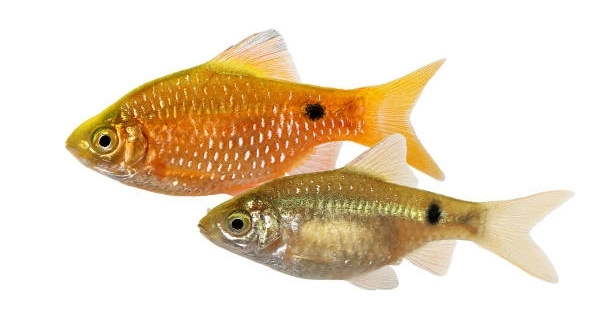
Is your Rosy Barb acting differently, spending more time alone, or showing less interest in its surroundings than usual?
Rosy Barbs are social fish that thrive on interaction. When deprived of stimulation or companionship, they may display signs such as sluggish behavior, hiding, or even aggression. These changes often reflect boredom, stress, or loneliness.
Recognizing these behaviors early can help improve your Rosy Barb’s environment and overall well-being through proper care and consistent interaction.
Lack of Activity and Exploration
Rosy Barbs are typically lively swimmers, often darting around the tank and interacting with their surroundings. When they start lingering in one spot, avoiding open spaces, or ignoring tank decorations, it’s a sign they’re feeling unmotivated. Boredom or loneliness may lead to this drop in activity. In a community tank, Rosy Barbs enjoy observing and mimicking others. Without stimulation, their natural curiosity fades. This behavior isn’t just about low energy—it’s a shift in their emotional state. A sudden lack of movement can also hint at frustration, especially if their environment lacks enrichment or variation in daily routines.
A quiet, still Rosy Barb often needs more mental stimulation or a better social setting.
Simple ways to encourage activity include rearranging tank elements or adding compatible tankmates. Fresh plants, tunnels, and periodic changes in scenery can promote curiosity and movement. These adjustments may help bring back your Rosy Barb’s natural energy.
Aggressive or Irritable Behavior
Rosy Barbs are generally peaceful but can become aggressive when they lack social stimulation. They may chase other fish, nip fins, or act territorial. These shifts in behavior often reflect stress or unmet interaction needs.
Aggression is sometimes misunderstood as dominance, but it may indicate emotional strain. If your Rosy Barb is kept alone or in a small group, it may not be getting enough social feedback. These fish thrive in schools of five or more and use schooling behavior for comfort and stability. Without this group dynamic, they can feel exposed or restless. To reduce aggression, consider increasing the school size or adding compatible species that match their activity level. Maintaining a proper balance of tank space, structure, and group size helps diffuse tension and keeps them engaged. Observation is key—frequent pacing, nipping, or chasing may mean your Rosy Barb is missing interaction and needs adjustments in its setup.
Reduced Appetite or Disinterest in Feeding
When a Rosy Barb loses interest in food, it’s often more than just a skipped meal. A lack of stimulation or social interaction can cause stress, which may lead to a noticeable drop in appetite or feeding enthusiasm.
Feeding time is usually an exciting moment for Rosy Barbs. They swim energetically, competing playfully for flakes or pellets. If your Rosy Barb starts hanging back, ignoring food, or eating more slowly, it may be signaling that something feels off. Social fish like Rosy Barbs rely on group behavior to stay alert and engaged. When isolated or bored, their eating patterns may shift. Offering varied food textures, colors, and flavors can sometimes reignite interest, but it’s equally important to look at their emotional needs. Interaction and environmental changes can often help restore normal feeding behavior.
Chronic disinterest in feeding should not be ignored. When a Rosy Barb consistently avoids meals, it might be reacting to a lack of stimulation or social presence. Prolonged isolation, repetitive routines, or a dull tank setup can reduce its enthusiasm toward daily activities, including feeding. To support a healthy appetite, try feeding in small groups, or during times when the tank is most active. Interactive feeding methods, such as placing food in different areas or using floating pellets, may help encourage movement and interest.
Frequent Hiding or Isolation
Rosy Barbs are naturally outgoing fish that prefer to swim in groups. When they start isolating themselves or hiding behind plants, decorations, or corners of the tank, it’s often a sign of stress or emotional withdrawal.
This behavior may stem from a lack of mental and social engagement. A Rosy Barb that consistently hides during active hours might be trying to cope with boredom or anxiety. Unlike shy species, Rosy Barbs are generally confident when comfortable in their environment. When deprived of interaction, they can become hesitant and more prone to hiding. You may also notice them retreating after minor disturbances or during feeding. Creating a more dynamic tank setup with varied lighting, shaded areas, and social companions can reduce this behavior. Maintaining a consistent tank routine, along with visual stimulation and group interaction, helps them regain confidence and return to active participation.
Glass Surfing or Repetitive Swimming
If your Rosy Barb is swimming back and forth along the glass, it may be feeling anxious or overstimulated. This repetitive swimming often indicates a lack of engagement, especially when the tank is too quiet or lacks social interaction.
Providing mental stimulation and companions can ease this behavior. A stimulating environment with changing visuals, movement, and a balanced school size helps redirect their energy. Repetitive patterns like glass surfing typically decrease when they feel socially and mentally fulfilled.
Lack of Response to Your Presence
Rosy Barbs usually react to movement outside the tank, especially during feeding or regular care. When they stop responding, it often means they’re disconnected from their surroundings. This loss of awareness can happen when they feel unstimulated or isolated. Observing this shift can help you adjust their environment to meet their needs.
Pale or Faded Color
A noticeable loss of color may signal boredom, loneliness, or emotional stress. Rosy Barbs display vibrant hues when they’re active and content, so dullness in their appearance shouldn’t be overlooked.
FAQ
How many Rosy Barbs should I keep together?
Rosy Barbs are social fish that thrive in groups. Ideally, you should keep at least five together to create a proper school. In smaller numbers, they may become shy, stressed, or even aggressive. A larger group encourages natural behavior like playful swimming and synchronized movement. When kept in a school, they tend to be more active, colorful, and confident. Always consider the tank size when adding more fish—Rosy Barbs are active swimmers and need plenty of space to move around comfortably without stress.
Can a Rosy Barb live alone?
While a Rosy Barb can survive alone, it won’t thrive. Being a schooling fish, it depends on social interaction to stay mentally and emotionally balanced. A solitary Rosy Barb may show signs of stress such as hiding, dull colors, and reduced activity. It’s best to provide a small group of compatible tankmates to support their well-being. Keeping them alone long-term is not recommended, especially if you want them to live a healthy, enriched life.
What are some ways to keep Rosy Barbs mentally stimulated?
Mental stimulation is key to a Rosy Barb’s health. Rearranging tank decorations, adding live plants, or changing the layout from time to time keeps their environment interesting. Feeding in different areas of the tank can also make mealtime more engaging. Floating toys or moving bubble wands can add novelty without causing stress. Social interaction with other barbs is equally important—being part of a group helps maintain their natural behavior. Regular changes, even small ones, help break monotony and promote active swimming.
Why is my Rosy Barb nipping other fish?
Fin-nipping or chasing can be a sign of stress, boredom, or unmet social needs. When Rosy Barbs are kept in groups that are too small, or when they feel overstimulated, they might direct their energy toward other tankmates. This behavior is more likely in cramped tanks or setups that lack variety. Increasing the group size, providing hiding spots, and ensuring enough swimming space can reduce aggression. A properly enriched tank and balanced group dynamics often stop nipping behavior altogether.
How do I know if my Rosy Barb is happy?
A happy Rosy Barb swims confidently, shows bright coloring, eats well, and interacts with other fish. You’ll notice it actively exploring the tank and responding to activity outside the glass. It should move fluidly without signs of distress or repetitive motions. Happy Rosy Barbs may even display light chasing or playful behavior with their group. Calm breathing, open fins, and a steady routine of eating and resting are also positive signs. If all these behaviors are present, your Rosy Barb is likely well-adjusted and content.
Can Rosy Barbs get lonely?
Yes, they can. Rosy Barbs are naturally social and depend on others for safety, play, and mental engagement. Loneliness can lead to behavioral changes like isolation, loss of color, reduced appetite, or restlessness. These signs often appear gradually, so it’s important to observe them regularly. Adding compatible companions and keeping them in an active, stimulating environment reduces the risk of emotional stress. Just like people, Rosy Barbs need social connection to maintain balance and well-being in their daily life.
Is there a best time of day to interact with my Rosy Barb?
Rosy Barbs are most active during the daytime, especially in the morning or late afternoon. This is when their natural rhythms make them more responsive to feeding, interaction, and tank activity. Consistent lighting and feeding schedules help reinforce this behavior. If you often walk by the tank or maintain it during these hours, you’ll notice your Rosy Barb becoming more interactive. Try not to disturb them during the night or periods of low light, as they use this time to rest and recharge.
Final Thoughts
Rosy Barbs are social, active fish that need interaction to stay healthy and content. When they don’t get enough mental or social stimulation, they often show changes in behavior. Signs like hiding, repetitive swimming, loss of color, or disinterest in food can all point to emotional or mental stress. These changes are often overlooked, but they are important indicators that your Rosy Barb may be feeling lonely or bored. Paying attention to these signs helps ensure that they remain healthy and happy in their environment. Simple changes can make a big difference in their behavior and overall well-being.
Creating a stimulating, balanced tank environment supports both the physical and emotional needs of your Rosy Barb. They thrive in groups of five or more and feel most secure when surrounded by active, peaceful tankmates. Varied décor, live plants, hiding spaces, and interactive feeding can help keep them alert and engaged. Regular observation also matters—getting to know how your fish behaves day to day helps you catch early signs of stress. Even small shifts, like a lack of reaction to movement outside the tank, may mean your fish needs more attention. By adjusting their surroundings or tank companions, you give them a better chance to flourish.
Owning Rosy Barbs is more than just maintaining water quality or feeding on time. It’s about understanding their need for connection and variety. These small fish are full of personality and respond well to care that includes stimulation, space, and social contact. Whether you’re new to keeping Rosy Barbs or have had them for years, paying attention to how they act can help guide your choices. A healthy Rosy Barb is curious, colorful, and active, and when their environment supports these traits, they tend to live longer, more balanced lives. Taking the time to adjust their care when needed shows in their behavior, making the experience more rewarding for both you and your fish.

Hello,
If you enjoy the content that we create, please consider saying a "Thank You!" by leaving a tip.
Every little bit helps us continue crafting quality advice that supports the health, happiness, and well-being of pets around the world, for pets of all shapes, sizes, and species.
We really appreciate the kindness and support that you show us!