
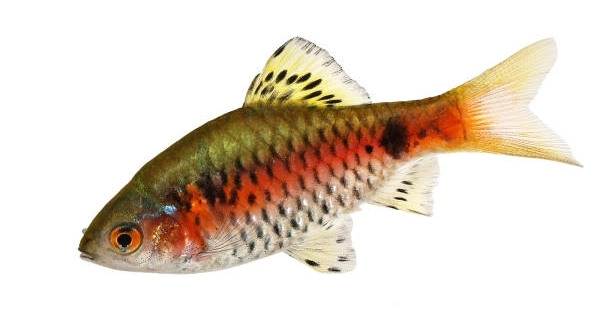
Many aquarium enthusiasts enjoy the vibrant colors of rosy barbs. These fish bring life and brightness to home tanks. Keeping their color vivid often depends on how well the tank conditions are managed.
Optimal water quality, proper lighting, balanced diet, and stable temperature are key factors that enhance the natural coloration of rosy barbs. Maintaining these conditions reduces stress and promotes healthy pigment development in the fish.
Understanding these tank conditions can improve your rosy barbs’ appearance and overall well-being. This article will explain the important factors to consider for a colorful aquarium.
Clean and Stable Water Quality
Clean and stable water quality is essential for boosting rosy barb color. Regular water changes remove toxins and keep ammonia, nitrite, and nitrate levels low, which helps fish stay healthy and stress-free. Stress can dull their bright colors, so maintaining water quality supports vibrant pigment. Testing water parameters weekly ensures conditions remain balanced. Filtration plays a vital role in keeping the water clear and safe. Avoid overcrowding the tank, as it can lead to waste buildup and poor water quality. Using a gravel vacuum during water changes removes debris that can affect water clarity. Stable water conditions reduce the risk of illness, allowing rosy barbs to display their best colors naturally.
Keeping water parameters stable is one of the simplest ways to maintain the vivid colors of your rosy barbs.
Proper filtration and regular maintenance help create an environment where rosy barbs feel comfortable. When fish are not stressed by poor water quality, their colors intensify. Inconsistent water conditions cause stress, weakening their immune system and dulling their appearance. Ideal parameters for rosy barbs include a pH around 6.5 to 7.5 and temperatures between 72°F and 78°F. Frequent partial water changes, about 20-30% weekly, help maintain these levels. Avoid sudden temperature changes or introducing untreated tap water. Using a water conditioner removes chlorine and chloramines, protecting the fish. By focusing on these details, the tank becomes a stable habitat that supports the natural beauty of rosy barbs over time.
Balanced Diet and Proper Feeding
A balanced diet is crucial for rosy barb color development. Feeding high-quality flakes, pellets, and occasional live or frozen foods ensures they receive essential nutrients for vibrant pigmentation.
Consistent feeding schedules prevent overfeeding, reducing waste and keeping water quality high.
Providing a varied diet rich in carotenoids, vitamins, and proteins supports bright coloration. Foods like brine shrimp, bloodworms, and spirulina enhance red and orange hues. Avoid feeding only one type of food to prevent nutrient deficiencies. Overfeeding can cloud the water and harm fish health. Feed small amounts two to three times daily, only as much as they consume in a few minutes. Healthy, well-nourished fish are more likely to show their full color potential. Proper nutrition also strengthens their immune system, helping them resist diseases that might otherwise dull their appearance. Feeding thoughtfully ensures your rosy barbs look lively and colorful consistently.
Proper Lighting
Proper lighting helps bring out the natural colors of rosy barbs. Too much or too little light can cause their colors to fade or appear dull.
Lighting should mimic their natural environment, usually around 8 to 10 hours per day. Using full-spectrum LED lights helps enhance their red and orange tones. Avoid placing the tank in direct sunlight to prevent algae growth and temperature fluctuations. Consistent lighting supports their natural day-night cycle, reducing stress. Dim or uneven lighting can make colors look washed out, so adjusting the light intensity can improve vibrancy. Regularly check bulbs and replace them as needed to maintain brightness. Good lighting combined with clean water creates the ideal setting for rosy barbs to shine.
Balanced lighting also encourages healthy plant growth, which benefits the fish. Plants provide hiding spots and reduce stress, helping fish display better coloration. Natural daylight cycles keep rosy barbs active and healthy, promoting brighter hues over time.
Stable Temperature
Maintaining a stable temperature is key to keeping rosy barbs colorful and healthy. Fluctuations can cause stress and weaken their immune system.
The ideal temperature range is between 72°F and 78°F. Temperatures outside this range may cause color loss and make fish prone to illness. Using a reliable aquarium heater with a thermostat helps keep the temperature steady. Avoid placing the tank near drafts, heaters, or windows where temperature changes frequently. Gradual adjustments in temperature are important during seasonal changes to prevent shock. A stable environment supports metabolic processes that affect pigment production. Keeping the water temperature consistent helps rosy barbs maintain their bright and vibrant appearance day after day.
Adequate Space for Swimming
Rosy barbs need enough space to swim freely. Crowded tanks cause stress, which dulls their colors and weakens their health.
A minimum of 20 gallons is recommended for a small group. More space allows them to display natural behaviors and vibrant colors.
Regular Tank Maintenance
Regular tank maintenance keeps the environment clean and safe. Removing waste and debris prevents harmful buildup that affects fish health. This supports bright coloration and reduces stress-related color fading.
Use of Natural Decorations
Natural decorations like plants, rocks, and driftwood create a comfortable environment. They provide hiding places, reduce stress, and help rosy barbs show their best colors.
Avoiding Stress
Stress lowers the immune system and dulls fish colors. Keeping stable conditions, avoiding aggressive tankmates, and gentle handling help keep rosy barbs calm and colorful.
FAQ
How often should I change the water to keep rosy barbs colorful?
Regular water changes are important for maintaining water quality and fish health. Changing about 20-30% of the tank water every week helps remove waste, toxins, and excess nutrients. This keeps the environment stable and reduces stress on the fish, allowing their colors to stay bright and healthy over time. Avoid large water changes all at once, as sudden changes can shock the fish.
What type of food best enhances rosy barb color?
A varied diet rich in carotenoids is best for boosting rosy barb color. Foods like brine shrimp, bloodworms, and spirulina contain pigments that help deepen red and orange hues. High-quality flakes and pellets made for tropical fish provide balanced nutrition. Feeding live or frozen foods a couple of times a week adds extra vitamins and minerals that support vibrant coloration.
Can poor lighting cause rosy barbs to lose color?
Yes, poor or inconsistent lighting can dull rosy barb colors. Proper lighting simulates their natural environment and helps bring out their brightest shades. Using full-spectrum LED lights for 8-10 hours daily is ideal. Avoid direct sunlight or very dim lighting, as both can negatively affect the fish’s appearance and health.
Is water temperature important for rosy barb color?
Water temperature plays a big role in fish coloration. Rosy barbs thrive between 72°F and 78°F. Temperatures outside this range can cause stress and color fading. Use a reliable heater with a thermostat to keep the temperature steady. Avoid placing the tank near drafty areas or heat sources that cause fluctuations.
How does tank size affect rosy barb color?
Tank size impacts stress levels and overall health. Crowded tanks make rosy barbs stressed and more prone to dull colors. Providing at least 20 gallons for a small group allows enough space for swimming and natural behavior. More space reduces aggression and supports better coloration.
Do plants help improve rosy barb color?
Live plants create a natural habitat that reduces stress for rosy barbs. Plants offer hiding spots and improve water quality by absorbing nitrates. This calm environment encourages fish to display their best colors. Choosing hardy plants like Java fern or Anubias works well with rosy barbs.
Can aggressive tankmates affect rosy barb coloration?
Yes, aggressive or overly active tankmates can stress rosy barbs, causing their colors to fade. It’s important to keep them with peaceful species that share similar water needs. Stress weakens the immune system and prevents fish from showing their natural colors vividly.
What role does stress play in color loss?
Stress is a major factor in color fading. Causes include poor water quality, sudden changes in environment, overcrowding, and aggressive neighbors. Reducing stress through stable conditions and careful tank management helps rosy barbs maintain strong, bright colors.
How do I know if my rosy barbs are stressed?
Signs of stress include faded color, hiding more often, loss of appetite, and erratic swimming. If you notice these behaviors, check water parameters, tankmates, and feeding habits. Addressing the source of stress quickly helps restore their health and coloration.
Is it necessary to use supplements to enhance rosy barb color?
Supplements with carotenoids and vitamins can boost coloration but are not always necessary if the diet is balanced. High-quality food with natural pigments usually provides enough nutrition. Use supplements only as directed to avoid overfeeding or water contamination.
How long does it take to see color improvements?
With proper care, you may see color improvements in a few weeks. Consistent water quality, diet, and lighting gradually enhance pigment production. Patience is key, as rapid changes in color are rare and may signal stress or illness.
Can sudden changes in water conditions affect color?
Sudden changes in pH, temperature, or water chemistry cause stress that dulls coloration. Always introduce changes gradually, testing water regularly. Stability is crucial for keeping rosy barbs healthy and colorful.
Are rosy barbs more colorful in groups or alone?
Rosy barbs are schooling fish and show better color in groups. Social interaction reduces stress and encourages natural behavior, which enhances their vibrant appearance. Keeping them in groups of at least six is recommended.
What type of substrate is best for vibrant rosy barb colors?
A darker substrate helps highlight rosy barbs’ colors by creating contrast. Sand or fine gravel works well and is gentle on their fins. Avoid overly bright or white substrates that may wash out their appearance.
How important is tank decoration for coloration?
Tank decorations provide shelter and reduce stress, supporting color intensity. Natural elements like rocks, plants, and driftwood create hiding places and a comfortable setting. A well-decorated tank helps fish feel secure and display their brightest colors naturally.
Maintaining the bright color of rosy barbs involves paying attention to several important factors. Clean and stable water quality is the foundation for healthy fish. Regular water changes and good filtration help keep the environment safe and comfortable. When water parameters are balanced, rosy barbs experience less stress, which helps their natural colors stay vibrant. Keeping the tank free from harmful toxins and waste is essential for their overall health and appearance.
Proper lighting and a stable temperature also play important roles in enhancing rosy barb coloration. Using full-spectrum lighting for about 8 to 10 hours a day mimics their natural environment and brings out their red and orange hues. Temperature should be kept steady between 72°F and 78°F, as sudden changes can cause stress and dull colors. Making sure the tank is not exposed to direct sunlight or drafty spots helps maintain these stable conditions, allowing rosy barbs to display their best colors consistently.
Lastly, feeding a balanced and varied diet supports healthy pigmentation in rosy barbs. High-quality flakes or pellets, along with occasional live or frozen foods like brine shrimp and bloodworms, provide essential nutrients that promote vibrant color. It is important to avoid overfeeding to keep water quality high and prevent stress. Providing enough space for swimming and using natural decorations like plants and rocks create a peaceful environment where rosy barbs can thrive. When these factors are managed well, rosy barbs will show off their beautiful colors and remain healthy for a long time.

Hello,
If you enjoy the content that we create, please consider saying a "Thank You!" by leaving a tip.
Every little bit helps us continue crafting quality advice that supports the health, happiness, and well-being of pets around the world, for pets of all shapes, sizes, and species.
We really appreciate the kindness and support that you show us!