
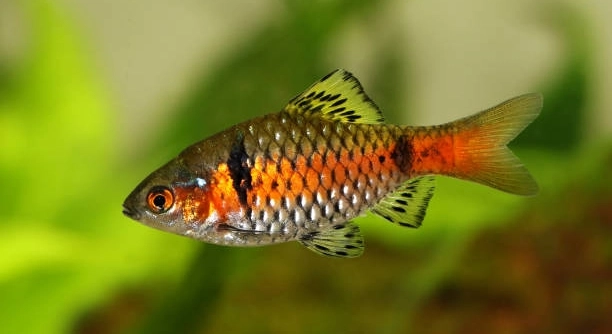
Rosy barbs are lively freshwater fish often kept in home aquariums. Like many animals, they can experience anxiety that affects their behavior and health. Understanding their anxious actions helps owners care for them better.
When anxious, rosy barbs display certain behaviors such as hiding, erratic swimming, loss of appetite, increased aggression, clamping their fins, rapid gill movement, and staying close to tank decorations. These signs indicate stress that may be caused by environmental changes or poor water quality.
Knowing these signs can improve how you support your fish’s well-being. Recognizing anxiety early allows you to create a calmer, healthier environment for your rosy barbs.
Hiding Behavior in Anxious Rosy Barbs
When rosy barbs feel anxious, they often retreat to hiding spots within the tank. This behavior is a way for them to feel safe when something in their environment feels threatening. Hiding reduces their exposure to perceived dangers and helps lower stress. Common places they choose include behind plants, rocks, or decorations. If hiding becomes constant, it may mean the fish are uncomfortable due to changes like new tank mates, poor water quality, or sudden loud noises. Regularly seeing your rosy barbs disappear can be a sign to check their environment for stress factors. Maintaining a stable, quiet tank and providing enough cover can encourage them to feel secure and reduce anxiety.
Hiding is a clear sign that rosy barbs need a calmer environment. Watch their behavior closely to spot when they feel unsafe.
Creating more natural hiding spots and keeping the tank conditions stable helps reduce this anxious behavior. Proper care can make your rosy barbs more confident and active in their space.
Erratic Swimming and Restlessness
Erratic swimming is another common behavior when rosy barbs feel anxious. They may dart quickly, swim in circles, or suddenly change directions without clear reasons. This restlessness is a physical sign of stress and discomfort. It often occurs when the tank environment is unstable or when the fish feel threatened. Too much noise, poor water parameters, or aggressive tank mates can cause this. Erratic swimming not only stresses the fish further but can also lead to injuries or exhaustion. Ensuring a peaceful tank environment and proper water quality helps reduce this behavior. Monitoring the fish for signs of stress early can prevent prolonged anxiety and improve their health. Adjustments to the aquarium setup can create a calmer atmosphere, promoting steadier and more natural swimming patterns.
Loss of Appetite
Anxious rosy barbs often stop eating or eat less than usual. This change signals stress and can affect their health if it lasts too long.
When rosy barbs feel uneasy, their digestive systems slow down, making them less interested in food. Stressors like sudden changes in water temperature, overcrowding, or new tank mates can cause this. If the fish refuse food for several days, it may lead to weakness or illness. To help, keep feeding times consistent and offer familiar foods. Checking water quality and reducing disturbances in the tank also encourage normal eating habits.
Paying attention to appetite changes early helps prevent health problems. Adjusting the environment and maintaining a calm atmosphere can restore your rosy barbs’ interest in food and improve their well-being.
Clamped Fins
Clamped fins are a clear sign that rosy barbs are stressed or anxious. Their fins stay tight against their bodies rather than spreading out naturally.
This behavior often appears when fish feel threatened or uncomfortable. It reduces their ability to swim freely and signals poor health or discomfort. Causes include poor water quality, sudden changes in lighting, or aggressive tank mates. Clamped fins can also indicate infections or parasites. It’s important to test the water regularly for ammonia, nitrites, and nitrates to ensure a healthy environment. Improving water conditions and minimizing stressors can help the fish relax and open their fins again.
Noticing clamped fins early allows for quick action to improve tank conditions. Keeping the aquarium clean and stable promotes healthier behavior and reduces anxiety in rosy barbs.
Increased Aggression
Anxious rosy barbs may act more aggressive than usual. They might chase or nip at other fish without clear reason.
This behavior is a response to stress and fear. Aggression can increase if the tank is overcrowded or if there are incompatible tank mates.
Rapid Gill Movement
Rapid gill movement is a sign that rosy barbs are stressed or struggling to breathe. It often shows when water quality is poor or oxygen levels are low.
Poor water conditions, such as high ammonia or nitrite levels, force fish to work harder to get oxygen. Fixing water quality issues and adding proper aeration helps reduce this stress sign.
Staying Close to Tank Decorations
Rosy barbs often stay close to decorations when anxious. They use these spots to feel safer and hidden from perceived threats.
How can I tell if my rosy barbs are anxious?
Anxious rosy barbs show specific behaviors like hiding frequently, swimming erratically, or clamping their fins tightly against their bodies. They may also lose appetite, act aggressively, or breathe rapidly. Watching for these signs helps you recognize when your fish are stressed and need attention.
What causes anxiety in rosy barbs?
Stress in rosy barbs often comes from changes in their environment, such as poor water quality, sudden temperature shifts, overcrowded tanks, or aggressive tank mates. Loud noises or vibrations near the aquarium can also make them nervous. Keeping their surroundings stable and calm reduces stress.
Is it normal for rosy barbs to hide a lot?
While rosy barbs do enjoy hiding occasionally, excessive hiding is a sign they feel unsafe or stressed. It can mean that something in the tank environment is causing anxiety. Providing proper hiding spots is good, but if they never come out, it’s time to check water conditions or other stress factors.
Why do my rosy barbs swim erratically?
Erratic swimming often indicates stress or discomfort. It might be caused by poor water quality, sudden changes in the tank, or aggressive fish nearby. This behavior can lead to exhaustion or injury, so it’s important to identify and fix the cause quickly.
What should I do if my rosy barbs stop eating?
Loss of appetite is a common response to anxiety or illness. First, check water quality and tank conditions. Offer familiar foods in small amounts and reduce stress by minimizing disturbances. If they refuse food for several days, consider consulting a vet or aquarium specialist.
How can I reduce anxiety in my rosy barbs?
Maintain stable water parameters with regular testing and partial water changes. Avoid overcrowding and keep tank mates compatible. Provide plenty of plants and decorations for hiding spots. Keep the tank in a quiet area and avoid sudden changes to lighting or temperature.
Are aggressive behaviors normal in rosy barbs?
Rosy barbs can be naturally active and sometimes nippy, but increased aggression usually signals stress. Aggression often rises when the tank is overcrowded or when fish feel threatened. Adjusting tank size and ensuring peaceful tank mates can reduce fighting and anxiety.
What does clamped fins mean for rosy barbs?
Clamped fins are a sign that rosy barbs are stressed or possibly ill. This behavior means they are uncomfortable and not relaxed. It’s often linked to poor water quality, infections, or stress from the environment. Addressing these issues usually helps fins return to normal.
Why are my rosy barbs breathing rapidly?
Rapid gill movement shows your fish may be struggling to get enough oxygen. It often points to poor water quality or low oxygen levels. Improving aeration and ensuring clean water helps reduce this problem and calms the fish.
Should I separate anxious rosy barbs from other fish?
Separation is sometimes necessary if tank mates are aggressive or causing stress. However, rosy barbs are social fish and do best in groups. Try to resolve stress causes like overcrowding or water issues before isolating them. If aggression is severe, consider a separate tank or divider.
How often should I check water quality to prevent anxiety?
Regular testing is key. Check water parameters like ammonia, nitrite, nitrate, and pH at least once a week. Keeping these within safe limits helps prevent stress and anxiety in rosy barbs. Consistent maintenance supports a healthy, calm tank environment.
Can lighting affect my rosy barbs’ anxiety levels?
Yes, sudden changes or very bright lighting can stress rosy barbs. Use gentle lighting and avoid rapid shifts in brightness. Having a natural day-night cycle helps fish feel secure and reduces anxious behaviors.
What are the best hiding spots for anxious rosy barbs?
Plants, rocks, and aquarium decorations provide good cover. Live plants especially help create natural shelters that calm the fish. Ensure hiding spots are spread throughout the tank so shy fish can retreat without feeling trapped.
Can diet affect anxiety in rosy barbs?
A balanced diet supports overall health and resilience to stress. Poor nutrition weakens the immune system and may worsen anxiety symptoms. Feeding high-quality flakes or pellets with occasional live or frozen foods keeps rosy barbs healthy and better able to cope with stress.
When should I seek professional help for anxious rosy barbs?
If anxiety signs persist despite improving water quality and environment, or if the fish show illness symptoms like discoloration or lethargy, consulting a vet or aquarium expert is important. Early intervention can prevent serious health issues.
Rosy barbs are beautiful and active fish, but like many animals, they can become anxious. Their anxiety shows in different ways, such as hiding, swimming erratically, or not eating well. Recognizing these signs early is important because stress can affect their health and happiness. When you know what to look for, you can take steps to make their environment safer and more comfortable. This helps your rosy barbs feel more secure and less anxious, which leads to healthier, more vibrant fish.
Keeping the aquarium clean and stable is one of the best ways to reduce anxiety in rosy barbs. Regular water testing and partial water changes keep harmful chemicals low and water conditions steady. It is also important to avoid overcrowding the tank and to choose tank mates carefully. Too many fish or aggressive companions can cause stress and lead to aggressive or fearful behaviors. Providing plenty of hiding spots with plants or decorations helps rosy barbs feel safe. A calm, quiet area for the tank and consistent lighting also make a difference in reducing stress.
If you notice your rosy barbs showing signs of anxiety, take time to check their environment and daily care routine. Simple changes can have a big impact. Feeding them a balanced diet and maintaining water quality will support their health. Watching their behavior closely helps catch problems early. Sometimes, a little patience and care are all it takes to help anxious rosy barbs return to their normal, active selves. Understanding their needs and responding to their stress signals will make keeping these fish a more rewarding experience.

Hello,
If you enjoy the content that we create, please consider saying a "Thank You!" by leaving a tip.
Every little bit helps us continue crafting quality advice that supports the health, happiness, and well-being of pets around the world, for pets of all shapes, sizes, and species.
We really appreciate the kindness and support that you show us!