
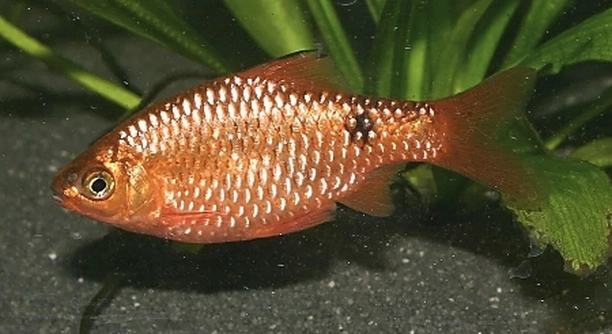
Have you ever noticed your rosy barbs acting aggressively toward each other or chasing tank mates without an obvious reason?
Rosy barbs act territorial primarily due to limited space, mating behaviors, or establishing dominance within a group. Environmental stressors, such as overcrowding or lack of hiding spots, can also trigger this instinctive behavior among tank mates.
Understanding why this behavior happens can help you create a more peaceful environment and keep your fish healthy and stress-free.
Understanding Rosy Barb Territorial Behavior
Rosy barbs are active freshwater fish known for their energy and social habits, but territorial behavior can show up in certain situations. Males tend to become more dominant during breeding season, often chasing others to claim space. Tank conditions play a major role in how this behavior shows itself. An overcrowded tank or lack of plants and decor can make fish feel insecure, leading to aggression. These fish naturally form hierarchies, and some amount of chasing is normal as they figure out their rank. However, constant aggression can be a sign something isn’t right. Poor water quality, sudden environmental changes, or an unbalanced group can all increase stress and trigger territorial reactions. A well-maintained tank with enough space and hiding areas helps reduce this behavior. Keeping a watchful eye on your fish’s patterns will help you notice early signs and make changes when needed.
Territorial behavior is most noticeable during feeding, breeding, or when new fish are introduced into the tank.
You might see a dominant fish constantly chase others away from specific spots or flare its fins in warning. This usually means the fish feels the need to defend its space. If unchecked, it can lead to injuries or stress-related illness. To reduce this, rearrange tank decor regularly and add more plants or caves to break up sightlines. This gives all fish a chance to claim their own area and helps stop one from taking control of everything. Grouping rosy barbs in odd numbers, especially six or more, also helps spread out aggression. When fish have room to swim and places to retreat, they’re less likely to feel threatened. Watch their behavior closely after any changes to ensure things are improving. If needed, separate the more aggressive fish temporarily and slowly reintroduce it once the tank feels balanced again.
Signs of Stress and Aggression
Flaring fins, fast darting, or constant chasing can signal your rosy barbs are feeling stressed or overly aggressive.
Stress often shows through unusual swimming patterns, loss of color, or hiding more than normal. You may also notice torn fins or scratches from frequent chasing or bumping into objects. These signs suggest that the environment needs adjusting. Some rosy barbs may also stop eating when they feel threatened, which can quickly lead to health issues. Making changes early, like adjusting the tank layout or checking water parameters, can ease tension. Keep a close eye on how your fish interact, especially during feeding times or after adding new tank mates. Spotting these issues quickly can make a big difference in the overall well-being of your fish and help keep a calm environment for everyone in the tank.
Creating a peaceful tank depends on both space and structure. A 30-gallon tank or larger works best for a small school of rosy barbs, giving each fish room to swim freely. Decor and plants should be arranged to break up open areas and give plenty of hiding spots. Try not to overcrowd the tank with too many fish or objects, as this can make it harder for each barb to claim space. If you’re keeping both males and females, maintain a good ratio—more females than males is often best. Regular water changes, proper filtration, and stable temperatures also help reduce stress. When the tank feels secure, rosy barbs are more likely to thrive and less likely to act territorial. Consistency in care, along with attention to how your fish behave, keeps aggression in check and helps them stay active and social.
Managing Tank Setup to Reduce Aggression
A peaceful tank starts with enough space and structure. Rosy barbs need plenty of swimming room, so a long tank works better than a tall one. Stick to a minimum of 30 gallons for a small group.
A proper tank layout helps limit stress and aggressive behavior. Use live or silk plants, driftwood, and caves to create natural barriers that break up sightlines. This allows each fish to find its own territory without clashing with others. Avoid too much open space, as it can make shy fish feel exposed. If you rearrange the tank layout occasionally, it can disrupt any territories forming and reduce dominance struggles. A balanced mix of males and females also keeps aggression from getting out of hand, especially during mating periods. Monitor how the fish use different areas of the tank and make adjustments if you see one fish taking over large spaces too often.
Adding compatible tank mates can also help. Choose peaceful, active fish that won’t provoke your rosy barbs or outcompete them during feeding. Avoid slow or long-finned species, as rosy barbs may nip at them, especially when feeling territorial. Good options include danios, rainbowfish, or other barbs. Keep tank mates in groups to avoid singling out one fish. If aggression still shows up, try increasing the number of rosy barbs slightly—six or more usually balances out their energy and helps reduce bullying. Always quarantine new fish before introducing them to the main tank. Watch their behavior closely for the first few days and be ready to adjust the setup if needed. Matching species by size, activity level, and temperament keeps things calmer and more stable over time.
Balancing Diet and Routine
Feeding schedules affect behavior more than you might expect. Irregular feeding can make fish anxious or more aggressive toward each other during mealtimes. Feeding small amounts twice a day keeps them satisfied and less likely to chase or nip.
Rosy barbs do best on a varied diet. Offer them high-quality flakes or pellets as a base, and rotate in frozen or live foods like daphnia, brine shrimp, or bloodworms a few times a week. This not only supports their health but also keeps them busy and mentally stimulated. When fish are bored or underfed, they may start showing signs of restlessness, which often leads to aggression. Feeding them before rearranging the tank or introducing new fish can also reduce stress. Stick to a regular routine—fish quickly learn feeding times, and predictability helps them feel secure. Remove any uneaten food to avoid water issues that could trigger stress-based behavior. A stable routine makes a noticeable difference in your fish’s mood and behavior.
Watching Behavior After Changes
After making changes in the tank, monitor how the rosy barbs act for the next few days. Aggression should slowly decrease as fish adjust to new territory or tank mates.
Look for signs like relaxed swimming, less chasing, and more balanced use of the tank space. If problems continue, reassess setup or stocking.
When Separation Is Necessary
Sometimes, despite all efforts, one fish remains aggressive and stresses out the others. In that case, temporarily moving the dominant fish to a separate tank can give the rest of the group time to settle. Use this time to adjust the tank layout or improve conditions that may be encouraging the behavior. After a week or so, try reintroducing the separated fish during a feeding time or right after rearranging decor. This disrupts any sense of territory the fish might remember and makes it more likely they’ll behave peacefully. If the aggression returns, it may be best to rehome the fish or keep it separated permanently.
Importance of Stable Conditions
Stable water conditions help rosy barbs feel safe and relaxed. Sudden changes in temperature or pH can raise stress and trigger aggressive behavior.
FAQ
Why are my rosy barbs suddenly fighting?
Sudden aggression is usually linked to changes in the tank environment. This can include overcrowding, poor water conditions, or rearranged decor. Mating behavior or the introduction of new tank mates can also cause temporary territorial disputes. If your fish were peaceful before and are now chasing or nipping, check water parameters, tank size, and space availability. Even small adjustments like a new decoration or shift in feeding time can disrupt their sense of territory. Fixing these factors usually calms things down within a few days.
Can rosy barbs live peacefully in a community tank?
Yes, rosy barbs can live in community tanks, but they do best with similarly active, peaceful fish. They should be kept in groups of six or more to reduce aggression within their own species. Avoid pairing them with slow or long-finned fish, such as bettas or angelfish, as rosy barbs may nip their fins. Choose tank mates like danios, loaches, or other barbs for a better match. A community setup works well when there’s plenty of space and structure, and when all species have compatible temperaments and needs.
Do rosy barbs become more aggressive during breeding season?
Yes, males tend to become more territorial and competitive during breeding. You might notice chasing, flaring fins, or attempts to drive other fish away from certain spots. This is normal behavior but can become stressful if the tank is too small or lacks hiding areas. Adding more plants or décor can give females and less dominant fish places to retreat. A good male-to-female ratio, ideally one male for every two females, also helps reduce constant chasing and keeps the group more balanced.
How do I know if a rosy barb is stressed?
Stressed fish often show physical or behavioral signs. Look for faded color, clamped fins, hiding more often, refusing food, or darting around the tank. In some cases, you may also see torn fins or signs of illness like white spots or bloating. Stress is usually linked to poor water quality, bullying, overcrowding, or rapid environmental changes. Testing water parameters regularly and observing fish behavior helps catch problems early. Quick action—like improving water quality or isolating a bully—can make a big difference in helping your fish recover.
What tank size is best for rosy barbs?
A 30-gallon tank is the minimum recommended for a small group of rosy barbs. These fish are active swimmers and need horizontal space to move around. A longer tank gives them more room and helps reduce territorial tension. If you plan to add more fish or create a mixed community, consider 40 gallons or larger. Overcrowding often leads to aggression, so more space always helps. A well-sized tank also allows for better filtration, easier maintenance, and more stable water conditions, which all lead to healthier, calmer fish.
Will rearranging the tank decor really help reduce aggression?
Yes, changing the layout can reset territorial boundaries and disrupt patterns of dominance. When fish feel like they’ve lost their old territory, they’re less likely to fight over it. Adding more plants or barriers can also help by giving fish places to hide and breaking up line-of-sight. This reduces tension and makes it easier for less dominant fish to avoid the more aggressive ones. It’s a simple but effective trick that’s often used in tanks with territorial species like rosy barbs.
Is it okay to keep only two or three rosy barbs?
It’s better to keep them in groups of six or more. When kept in small numbers, rosy barbs can become more aggressive or stressed. A larger group helps spread out aggression and creates a more natural social structure. They are schooling fish by nature, and being part of a group helps them feel secure. If space is limited, consider getting a different species that does well in smaller numbers. Keeping only two or three rosy barbs often leads to more problems than benefits.
Final Thoughts
Rosy barbs are active, colorful fish that can be a fun addition to a freshwater tank when their needs are met. Their territorial behavior is often misunderstood, but it usually has a clear cause. Most of the time, it comes from a lack of space, poor tank layout, or stress from changes in the environment. Understanding what triggers this behavior is key to keeping your fish healthy and calm. A balanced tank setup, regular care, and a good diet all play a big part in how these fish act. When you meet their basic needs, rosy barbs tend to be peaceful and social with their tank mates.
Territorial behavior doesn’t always mean something is wrong, but it’s important to notice when it becomes a problem. Chasing during breeding, or small displays of dominance, are normal. However, constant aggression, nipping, or stressed behavior should be taken seriously. These signs usually mean the fish is feeling unsafe or overwhelmed. Changing the tank layout, adding more plants or hiding spots, or improving water quality can make a big difference. It’s also helpful to observe how your rosy barbs interact with each other and with other species. Over time, you’ll notice what works best for your specific group of fish.
Taking care of rosy barbs is all about consistency and attention to detail. A steady routine with regular feeding, clean water, and proper tank maintenance goes a long way in keeping stress low. Making changes slowly, watching how your fish react, and giving them time to adjust are all part of responsible fishkeeping. If one fish becomes too aggressive, don’t be afraid to separate it or try a different tank setup. Every group of rosy barbs is a little different, and it may take some trial and error to find the right balance. With patience and care, you’ll be able to create a calm, healthy environment where your rosy barbs can thrive.

Hello,
If you enjoy the content that we create, please consider saying a "Thank You!" by leaving a tip.
Every little bit helps us continue crafting quality advice that supports the health, happiness, and well-being of pets around the world, for pets of all shapes, sizes, and species.
We really appreciate the kindness and support that you show us!