
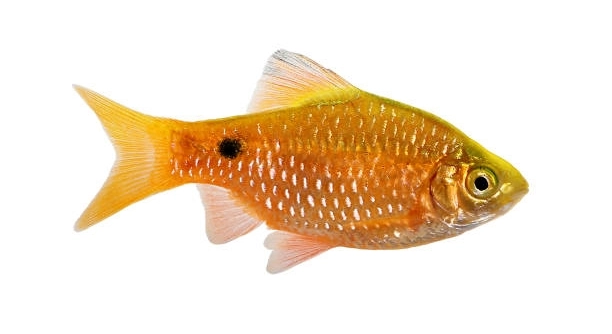
Rosy barbs are popular freshwater fish that bring color and life to home aquariums. Many fish owners enjoy watching them swim and interact in their tanks. Sometimes, subtle changes in behavior or appearance can signal they are settling in.
When rosy barbs are settling into a new environment, they often show signs such as reduced hiding, more consistent swimming patterns, and healthier coloration. These behaviors indicate that the fish are adapting well to their surroundings and feeling comfortable.
Recognizing these signs early helps maintain a healthy aquarium and supports your fish’s well-being over time.
Adjusted Swimming Patterns
When rosy barbs begin settling in, their swimming becomes more predictable and calm. At first, they might dart around nervously, hiding or staying near the tank edges. Over days or weeks, they start exploring the whole aquarium more freely. Their movements become smoother and less erratic, showing they feel safer. This change also means they’re getting used to water conditions like temperature and pH. Watching these shifts helps you know when your fish are comfortable. A steady, confident swim signals good adaptation and health. If swimming remains tense or erratic, it could mean stress or illness. Regular observation allows you to act early if problems arise. This behavior change is a key sign of their adjustment phase. As they explore more openly, rosy barbs are likely to display their natural social behavior, swimming in groups or responding to other tank mates. The shift in movement is subtle but important for understanding your fish’s state.
Swimming calmly shows that rosy barbs feel safe and have adapted well to the tank environment.
Noticing calmer swimming helps you confirm your fish are settling in. You can encourage this by keeping the tank stable, avoiding sudden changes, and providing hiding spots. A settled fish is less likely to get sick and more likely to enjoy a healthy life. Observing how your rosy barbs swim can give clues about their comfort and overall well-being. It is one of the easiest ways to tell they are adjusting well.
Changes in Color and Appearance
Rosy barbs’ colors often brighten as they settle in. When stressed or new, their colors can appear dull or faded. This is a natural response to change. Over time, as they feel more at ease, their vibrant reds, pinks, and oranges return. This color recovery means they are less stressed and in better health. You might also see their fins become more open and less clamped. Healthy fish show more active and lively movements along with bright colors. Keeping the tank clean and stable supports this process. Feeding a balanced diet rich in nutrients also helps maintain vivid colors. The return of bright coloration is a good sign of fish settling into their environment and feeling secure. It shows they are ready to thrive and interact normally within the tank community. Noticing these subtle color changes helps you track your fish’s adjustment and overall health.
Increased Appetite
Rosy barbs usually eat less when they are new or stressed. As they settle in, their appetite improves. They begin to accept food regularly and show interest during feeding times.
Improved appetite is a clear sign of adaptation. When fish start eating well, it means they feel secure in their environment. This helps maintain their energy and supports healthy growth. If your rosy barbs show excitement at feeding or finish their food quickly, they are likely settling in. Sometimes, feeding small amounts multiple times a day encourages better eating habits. Offering a variety of food can also stimulate their appetite and make feeding more enjoyable. Watch for changes in eating habits as part of their settling process.
If fish refuse food for more than a few days, it might indicate stress or illness. Consistent eating patterns mean they are comfortable and ready to thrive.
Interaction with Tank Mates
Settled rosy barbs often interact more with other fish. They swim together or follow each other around, showing social behavior. This is a sign they feel safe.
When rosy barbs settle in, they become more social and curious about their tank mates. You may notice them swimming in groups or even chasing each other playfully. This behavior shows confidence and good health. If fish remain isolated or aggressive, it might mean they are stressed or uncomfortable. Social interaction helps reduce stress and improves overall fish well-being. Providing enough space and hiding spots helps create a peaceful environment for all tank inhabitants. Encouraging social behaviors is part of a healthy aquarium setup. It also makes watching your fish more enjoyable and rewarding.
Exploring the Tank
Rosy barbs begin to explore more of the aquarium as they feel comfortable. They move beyond hiding spots to swim through open areas.
This increased curiosity shows trust in their surroundings. Exploring helps them find food, mates, and new territories. It also indicates the water quality and environment meet their needs.
Reduced Hiding Behavior
Once settled, rosy barbs spend less time hiding. They feel less threatened and more secure in the tank.
Consistent Breathing Patterns
Stable breathing is a subtle sign of settling. When fish adapt, their gill movements slow and become even.
Rapid or uneven breathing can signal stress or poor water conditions. Watching this helps track their comfort level.
FAQ
How long does it take for rosy barbs to settle in?
Rosy barbs usually take about one to two weeks to settle in a new aquarium. During this time, they adjust to water conditions, lighting, and tank mates. Some fish may adapt faster, while others need a little more time. Watching their behavior closely during these first days helps you understand how comfortable they are.
What are the signs that rosy barbs are stressed?
Stress signs include hiding constantly, erratic swimming, clamped fins, and dull colors. Fish may also lose their appetite or breathe rapidly. Stress can result from poor water quality, sudden changes, overcrowding, or incompatible tank mates. Keeping the tank stable and clean reduces stress and helps your fish settle faster.
Can rosy barbs live with other fish?
Yes, rosy barbs are generally peaceful and do well in community tanks. They prefer to be in groups of five or more, which reduces aggression. Compatible tank mates include danios, tetras, and gouramis. Avoid keeping them with very small or slow-moving fish, as rosy barbs may nip fins.
How important is water quality for rosy barbs settling in?
Water quality is crucial. Stable temperature (around 70-75°F), proper pH (6.5-7.5), and clean water help reduce stress and encourage settling. Regular water changes and testing help keep the environment healthy. Poor water quality often leads to illness and slow adaptation.
What should I feed rosy barbs to help them settle?
A balanced diet supports health and color. Feed high-quality flakes, pellets, and occasional live or frozen foods like brine shrimp or bloodworms. Feeding small amounts two to three times daily encourages appetite and reduces waste in the tank.
Why do rosy barbs hide a lot at first?
Hiding is a natural response to new surroundings. It helps them feel safe while adjusting to unfamiliar water and tank mates. Providing plants, rocks, or decorations gives them places to retreat and lowers stress during this period.
How can I encourage rosy barbs to explore the tank?
Maintaining good water quality and a calm environment helps. Adding decorations and plants creates safe spots and breaks the tank into interesting areas. Regular feeding and gentle tank maintenance without sudden movements encourage curiosity and exploration.
Is it normal for rosy barbs to lose color when stressed?
Yes, color fading is a common stress response. It usually returns as they adapt and regain health. Ensuring stable conditions, proper diet, and reducing stressors supports color recovery.
What do rosy barbs need to feel comfortable in their tank?
They need clean water, proper temperature, a balanced diet, hiding spots, and compatible tank mates. A stable environment without sudden changes helps them settle quickly and thrive.
How can I tell if my rosy barbs are healthy after settling in?
Healthy rosy barbs swim actively, have bright colors, eat regularly, and interact with other fish. Their fins stay open, and breathing is steady. Any changes in these behaviors might require attention. Regular observation is key to keeping your fish well.
Final Thoughts
Rosy barbs are beautiful and lively fish that can bring a lot of joy to an aquarium. Watching them settle in is part of caring for them and understanding their needs. The subtle signs they show, like calmer swimming, brighter colors, and better eating habits, help tell when they are comfortable. Paying attention to these small details can make a big difference in how well your fish adjust to their new home. It also helps you spot any issues early before they become serious problems.
Creating a good environment is key to helping rosy barbs settle. This means keeping the water clean and at the right temperature, feeding them a balanced diet, and making sure they have enough space and places to hide if needed. Stable conditions reduce stress, which helps the fish feel safe and confident. Social interaction with other fish is also important since rosy barbs like to swim in groups. When they feel secure, they show natural behaviors that make your aquarium more lively and enjoyable to watch.
Taking the time to observe your rosy barbs as they settle in can be very rewarding. It allows you to understand their habits and needs better. Every fish is different, and some may take more time than others to adjust. Patience and care go a long way in helping your fish thrive. By recognizing the subtle signs that rosy barbs are settling in, you ensure they stay healthy and happy. This makes your aquarium a peaceful and vibrant space for both the fish and you.

Hello,
If you enjoy the content that we create, please consider saying a "Thank You!" by leaving a tip.
Every little bit helps us continue crafting quality advice that supports the health, happiness, and well-being of pets around the world, for pets of all shapes, sizes, and species.
We really appreciate the kindness and support that you show us!