
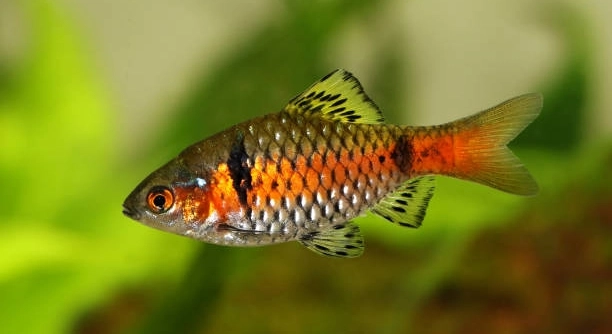
Do you ever find yourself watching your rosy barbs swim around and wondering what goes on in their tiny, active minds?
Rosy barbs express curiosity through specific behaviors such as following movement, inspecting new tank items, interacting with tank mates, and altering swimming patterns. These behaviors indicate a natural interest in their surroundings and environment.
From playful darting to close inspections, each action reveals something unique about how these lively fish explore their world.
They Follow Movement Closely
Rosy barbs often swim toward moving objects, especially when someone approaches the tank. This is one of the clearest signs of their curiosity. They seem drawn to motion, whether it’s a hand, net, or new item entering their space. This behavior shows they’re alert and paying attention. Even slight changes, like shifting light or shadows, can grab their focus. In a way, they almost seem to “inspect” the movement, sometimes following along the glass as it passes. This reaction isn’t aggressive or fearful—just observant. It suggests their natural interest in the environment around them. If you wave your hand slowly, you may notice them respond by swimming along in sync. It’s a small moment, but it’s a glimpse into how aware and responsive they can be.
This behavior becomes more noticeable in tanks with fewer distractions. Rosy barbs quickly recognize patterns, especially if movements often lead to feeding time.
Watching them track motion shows how much visual input shapes their behavior. Their eyes seem to scan for anything unusual or interesting. When something catches their attention, they move with clear purpose. It’s not random swimming—it’s direct and focused. This can be a sign they’re learning, processing, and remembering.
They Explore New Decorations
When new decorations are added to the tank, rosy barbs are usually among the first to investigate.
They often approach new objects slowly at first, circling around to get a better look. Once they feel safe, they’ll dart closer and sometimes even swim through small gaps or tunnels. This kind of behavior points to their comfort with their environment and their natural interest in change. It can also reduce stress, as exploring gives them something to focus on. If something unfamiliar appears, they don’t hide—they check it out. This is why it’s helpful to add new items gradually. It gives them a chance to adjust and engage. Over time, they may even revisit the same item repeatedly, as if inspecting it from different angles. This habit shows a level of awareness that can be easy to miss unless you’re watching closely. The more you observe them, the more you’ll notice how curious and alert they really are.
They Watch Other Fish Closely
Rosy barbs often keep a close eye on tank mates. They seem to study how others move, pause, or react. This attention to detail suggests they’re not just swimming aimlessly—they’re learning from those around them.
When a new fish is added to the tank, rosy barbs will usually swim nearby, keeping a short distance while watching quietly. They don’t always interact right away, but they hover with interest. Over time, they may start to mimic or follow the new fish, especially if that fish finds a new spot to rest or feed. This behavior can also help them adjust socially within a group. Watching others helps them figure out the safest areas, best hiding spots, or where food shows up. It’s a small but clear example of curiosity tied to learning and adaptation.
Their social awareness grows stronger in well-balanced groups. Rosy barbs may start pairing off or forming loose schools. These groupings aren’t random—they often reflect who they trust or find interesting. When one fish changes direction or finds something unusual, others may quickly follow. It’s not just copying—it’s curiosity at work. These small choices say a lot about how rosy barbs respond to one another and adjust their behavior over time.
They Inspect Bubbles and Filters
Rosy barbs often swim near bubble wands, air stones, or filter outputs. They seem especially interested in fast-moving water. This behavior happens more often in calmer tanks, where movement stands out more clearly.
The rising bubbles or rushing current seems to attract them, especially if the flow changes suddenly. You might see them dart through bubbles or hover at the stream, letting it push them slightly before swimming away. It looks playful, but it’s also an active form of engagement. This reaction may be tied to how they explore new sensations in their space. They learn from feeling shifts in flow or watching how bubbles rise. Sometimes they even chase stray particles in the current, almost like they’re testing or tracking them. Over time, they tend to revisit the same spots, which suggests they’ve found something worth returning to. It’s a habit that shows how easily their attention is drawn to small changes.
They React to Tank Lid Movements
Rosy barbs often swim upward when they notice the tank lid being opened. This quick response shows they connect the lid movement with feeding or change. Their timing is sharp and immediate.
Even if no food follows, they may continue hovering at the top. It shows their ability to remember patterns and stay alert.
They Change Routes During Free Swim
While swimming freely, rosy barbs often change direction or adjust their pace near specific areas of the tank. These areas might include corners, tunnels, plants, or equipment. The way they switch routes or pause briefly suggests that they’re examining their surroundings, even when no other fish or food is nearby. This habit becomes easier to spot when the tank is quiet. It’s not always random—some spots get more attention than others. If a leaf has shifted or an object moved slightly, they’ll often notice. Their patterns seem to mix curiosity with memory, as they revisit areas or slow down when something seems different.
They Watch During Feeding Time
Rosy barbs often hover and observe before darting for food. They wait for flakes to drop, then strike. Their patience and timing show they’ve learned how feeding works.
FAQ
Do rosy barbs get bored in a plain tank?
Yes, rosy barbs can get bored if their tank lacks variety. They are active and curious fish that enjoy exploring their environment. A plain tank with no plants, rocks, or decorations gives them very little to interact with. Over time, they may become less active or show signs of stress. Adding plants, tunnels, or even moving decorations gives them places to explore and keeps their minds active. It’s a good idea to rearrange or swap out items every so often. Even small changes can refresh their interest and keep them engaged in their surroundings.
Can rosy barbs recognize people?
Rosy barbs seem to recognize regular patterns, including the person who feeds them. If you are the one who feeds them daily, they may swim toward you or gather near the surface when they see you. While they might not recognize your face in the way mammals do, they can associate your presence with food or interaction. They’re very alert to motion and routine, so even the sound of footsteps or the movement of a nearby chair might trigger a response. This kind of recognition shows how they pay attention to things beyond the tank.
Why do rosy barbs chase each other?
Chasing can mean different things depending on the context. In small groups, rosy barbs often chase each other to establish social order, especially among males. It may look aggressive, but it’s usually harmless. Chasing can also happen when they’re excited, especially during feeding time or if a new item is added to the tank. In rare cases, constant chasing might be a sign of stress or overcrowding. If one fish seems overly dominant, consider adding more space or rearranging the tank to create more hiding areas. This can help balance things out and reduce tension.
Is it normal for rosy barbs to nibble on decorations?
Yes, it’s fairly common. Rosy barbs often nibble or peck at tank items like plants, rocks, or tubing. They’re not always trying to eat them—this behavior is often linked to curiosity. They’re investigating texture or checking for food particles. If your plants are being picked at often, consider using hardier types or adding floating plants. The nibbling usually isn’t damaging unless it becomes constant. It can also help to spread out feeding times or use slow-release foods to keep them distracted throughout the day.
Do they like swimming in groups?
Yes, rosy barbs are schooling fish and feel more comfortable in groups of at least five or six. When kept alone or in very small numbers, they can become shy or more aggressive. In a group, they swim more freely, show better colors, and are less likely to act territorial. Group swimming is not just about safety—it also gives them social interaction and keeps their behavior more natural. If the tank size allows, keeping them in a group will usually lead to healthier and more confident fish.
How do rosy barbs show stress or discomfort?
Signs of stress can include faded color, erratic swimming, hiding more than usual, or sudden aggression. A stressed rosy barb might also lose its appetite or hover near the bottom of the tank. This can happen if the water quality drops, the temperature changes too quickly, or the tank is overcrowded. They are quite hardy, but changes in their behavior are often early warning signs. Keeping an eye on these changes helps prevent long-term issues. Regular checks on water conditions and enough space can reduce stress and keep them active and curious.
Final Thoughts
Rosy barbs are active, curious fish that show interest in many small details around them. Whether they’re following your hand, checking out a new decoration, or swimming through bubbles, these behaviors all show how aware they are of their space. They don’t just swim randomly—they explore with purpose. Their movements often reflect how they feel, what they notice, and what they want to understand better. These small actions may seem simple at first, but when you watch closely, you begin to see patterns. This is a fish that learns from what it sees, hears, and feels in the tank.
Providing a good environment helps their curiosity grow. Adding plants, objects, and safe hiding spots gives them more to look at and explore. Even something as small as moving a rock or adjusting the flow of water can give them something new to react to. These changes keep them from getting bored and also allow their natural behaviors to come through more clearly. When rosy barbs feel safe and interested in their environment, they tend to be more colorful, active, and social. It’s also easier to spot when something’s wrong, because you’ll notice when their behavior suddenly changes.
Taking the time to understand your rosy barbs helps you care for them better. Watching how they move, respond, and interact can tell you a lot about their health and comfort. You don’t need to make big changes all the time—small observations and adjustments can go a long way. Curiosity is a healthy sign in any fish, and rosy barbs are especially good at showing it. Keeping their tank clean, spacious, and full of gentle variety helps them stay alert and interested. With steady care and attention, you’ll see them display all the small behaviors that make them such enjoyable fish to keep.

Hello,
If you enjoy the content that we create, please consider saying a "Thank You!" by leaving a tip.
Every little bit helps us continue crafting quality advice that supports the health, happiness, and well-being of pets around the world, for pets of all shapes, sizes, and species.
We really appreciate the kindness and support that you show us!