
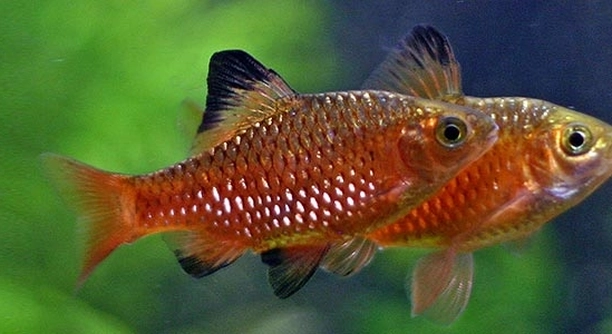
Rosy barbs are popular aquarium fish known for their vibrant colors and lively behavior. Sometimes, these fish exhibit a curious action called “fin flipping,” which can catch the attention of many fishkeepers. Understanding this behavior is important for maintaining a healthy tank environment.
Fin flipping in rosy barbs is typically a response to stress, irritation, or attempts to remove parasites. It can also indicate water quality issues or aggressive interactions within the tank. This behavior serves as a physical reaction to external discomfort or environmental changes.
Observing why rosy barbs flip their fins helps improve tank care and ensures the wellbeing of these active fish. Learning the causes allows for better management and a peaceful aquarium environment.
Causes of Fin Flipping in Rosy Barbs
Fin flipping is usually a sign that something in the tank is bothering your rosy barbs. It often happens when there are parasites on their fins or skin, causing irritation. Poor water conditions, such as high ammonia or nitrite levels, can also stress the fish and trigger this behavior. Aggression from other tank mates may lead to fin flipping as a way to show discomfort or try to escape. Sometimes, sudden changes in temperature or water chemistry can cause the fish to react similarly. Regularly checking water parameters and observing tank interactions can help prevent this issue. Ensuring a clean and stable environment is key to reducing stress for your fish. If you notice frequent fin flipping, it is important to inspect your fish closely for signs of illness or injury and take action promptly.
Parasites are one of the most common reasons for fin flipping.
Proper care and attention can greatly reduce fin flipping incidents in your aquarium.
How to Address Fin Flipping Behavior
Treating fin flipping starts with identifying the cause. Testing the water regularly helps catch any harmful chemical changes early. If parasites are suspected, a suitable anti-parasitic treatment should be applied following the product instructions carefully. Separating aggressive fish or rearranging tank decorations may reduce stress and territorial disputes. Maintaining a balanced diet also supports the fish’s immune system, helping them resist infections. It is important to avoid sudden changes in the environment, like temperature swings or rapid water changes. Quarantine new fish before adding them to the main tank to prevent introducing diseases. Patience and consistent tank maintenance are essential to help your rosy barbs feel secure and healthy, minimizing fin flipping and other stress behaviors.
Recognizing Stress Signs in Rosy Barbs
Stress in rosy barbs often shows through behaviors like fin flipping, hiding, or loss of appetite. These signs indicate discomfort or poor conditions in the aquarium that need attention quickly to prevent health issues.
Stress can develop from several factors including overcrowding, poor water quality, or aggressive tank mates. If the fish are constantly flipping fins, it’s important to check for changes in water temperature, pH, or cleanliness. Stress weakens their immune system, making them more vulnerable to diseases. Watching for physical signs such as faded colors or torn fins can also help spot stress early. Addressing these issues promptly by improving tank conditions or adjusting fish numbers can restore calm.
Creating a stable and comfortable environment is the best way to reduce stress. Avoid sudden changes and maintain consistent feeding and cleaning schedules. Providing hiding spots helps fish feel secure and lowers aggressive behavior, which often causes stress responses like fin flipping.
Water Quality and Its Impact on Fin Flipping
Water quality is a major factor affecting fin flipping. Ammonia, nitrite, and nitrate levels should always be within safe ranges. Poor water conditions irritate fish skin and gills, causing them to flip fins to relieve discomfort.
Regular water testing and partial water changes help maintain the right balance. Using a good filtration system is essential to keep the water clean and clear of harmful substances. Temperature and pH should also be stable, as fluctuations can upset rosy barbs. When water parameters are kept consistent, fish are less likely to show stress behaviors. This creates a healthier environment that supports their natural activity and coloration. Good water care is key to reducing fin flipping and ensuring your fish stay vibrant and active.
Common Parasites Affecting Rosy Barbs
Parasites like ich and flukes are frequent causes of irritation leading to fin flipping. They attach to the fish’s skin or fins, causing discomfort and stress. Early detection is crucial to prevent serious health problems.
Treatments usually involve medicated baths or adding medication to the water. Follow instructions carefully to avoid harming the fish or beneficial bacteria.
Preventing Aggression in the Tank
Aggression from other fish can trigger fin flipping as a defensive response. Avoid overcrowding and provide enough space and hiding places to reduce territorial disputes. Introducing compatible species helps maintain peace.
The Role of Diet in Fish Health
A balanced diet supports the immune system and reduces stress. Feeding high-quality flakes, pellets, and occasional live or frozen foods promotes healthy fins and vibrant colors, which can lower fin flipping occurrences.
Importance of Tank Maintenance
Regular cleaning and monitoring keep the environment safe. Remove uneaten food and waste to prevent toxins, which can irritate fish and lead to fin flipping.
FAQ
Why do rosy barbs flip their fins suddenly?
Rosy barbs flip their fins mainly due to irritation or stress. This behavior often signals the presence of parasites, poor water quality, or aggressive tank mates. Fin flipping can also be a way to try to remove something uncomfortable from their fins or skin. It is important to observe other signs and check the tank environment to identify the cause.
Is fin flipping harmful to rosy barbs?
Fin flipping itself is not harmful, but it is a symptom of underlying issues. If left unaddressed, the causes like parasites or poor water conditions can lead to serious health problems. Regular monitoring and timely action help prevent long-term harm.
How can I tell if my rosy barb has parasites?
Look for white spots, redness, or excessive scratching against tank decorations. Parasites often cause the fish to rub their bodies or fins in an attempt to relieve irritation. A microscope examination by a vet or aquarium expert can confirm the presence of parasites.
What water parameters should I maintain for rosy barbs?
Keep ammonia and nitrite at zero, and nitrate below 20 ppm. The ideal temperature is between 72°F and 78°F (22°C–26°C), and pH should be stable around 6.8 to 7.8. Regular water testing and partial water changes are essential for maintaining these conditions.
Can aggression in the tank cause fin flipping?
Yes, aggression causes stress, which often leads to fin flipping. Rosy barbs may flip fins to signal discomfort or try to escape harassment. Providing ample space, hiding spots, and compatible tank mates reduces aggression.
How often should I clean my tank to prevent fin flipping?
Perform partial water changes of 20-30% weekly to maintain good water quality. Clean the substrate and remove uneaten food regularly. A well-maintained tank reduces stress and the chance of fin flipping.
What treatments are effective against parasites causing fin flipping?
Medicated baths with anti-parasitic drugs or adding treatments to the water are common. Always follow product instructions and quarantine affected fish to prevent spreading. Natural remedies like salt baths may help but consult experts before use.
Does diet affect fin flipping behavior?
A healthy diet strengthens the immune system and reduces stress, making fish less prone to fin flipping. Feeding a variety of high-quality flakes, pellets, and occasional live or frozen foods supports overall health and fin condition.
Can sudden changes in temperature cause fin flipping?
Yes, sudden temperature fluctuations can stress rosy barbs and trigger fin flipping. Maintaining a stable temperature within their preferred range is important to avoid stress-related behaviors.
Should I quarantine new fish before adding them to the tank?
Quarantining new fish for 2-4 weeks helps prevent introducing diseases or parasites that could cause fin flipping. This practice protects the entire tank’s health.
When should I consult a vet for fin flipping?
If fin flipping continues despite improving water quality and treating parasites, or if fish show other symptoms like lethargy, loss of appetite, or visible wounds, it is time to seek professional advice.
Can stress from overcrowding cause fin flipping?
Yes, overcrowding increases competition and stress, leading to behaviors like fin flipping. Ensuring the tank is not overstocked helps keep fish calm and healthy.
Is fin flipping a normal behavior sometimes?
Occasionally, fin flipping can be part of normal activity, like during cleaning or playing. However, frequent or sudden flipping usually indicates a problem.
What role do hiding spots play in reducing fin flipping?
Providing plants, decorations, and caves allows rosy barbs to escape stressors. Feeling secure reduces aggression and irritation, lowering fin flipping incidents.
Can poor filtration contribute to fin flipping?
Yes, inadequate filtration leads to toxin buildup and poor water quality. This environment irritates fish and triggers fin flipping. A proper filter suited to the tank size is essential.
Final thoughts on fin flipping in rosy barbs highlight the importance of understanding this behavior as a signal rather than just a quirk. Fin flipping usually points to stress or irritation that the fish are experiencing in their environment. This can result from parasites, poor water quality, aggressive tank mates, or sudden changes in their surroundings. Recognizing these signs early helps to prevent more serious health problems and keeps the fish comfortable and active.
Maintaining a healthy tank is key to reducing fin flipping. Regular testing of water parameters such as ammonia, nitrite, nitrate, pH, and temperature ensures the environment stays stable and safe. Frequent partial water changes and good filtration help remove harmful substances that could irritate the fish. It is also important to avoid overcrowding and provide plenty of hiding places, which lowers stress and reduces aggressive behavior. Keeping the tank clean and monitoring the behavior of all fish supports the overall health of your rosy barbs.
Diet also plays a role in the well-being of rosy barbs. Feeding a balanced diet with quality flakes, pellets, and occasional live or frozen foods strengthens their immune system and helps prevent illness. If fin flipping continues despite these efforts, it may be necessary to treat for parasites or seek advice from a professional. By staying attentive to your fish’s environment and behavior, you can create a peaceful, healthy aquarium where fin flipping becomes a rare occurrence.

Hello,
If you enjoy the content that we create, please consider saying a "Thank You!" by leaving a tip.
Every little bit helps us continue crafting quality advice that supports the health, happiness, and well-being of pets around the world, for pets of all shapes, sizes, and species.
We really appreciate the kindness and support that you show us!