
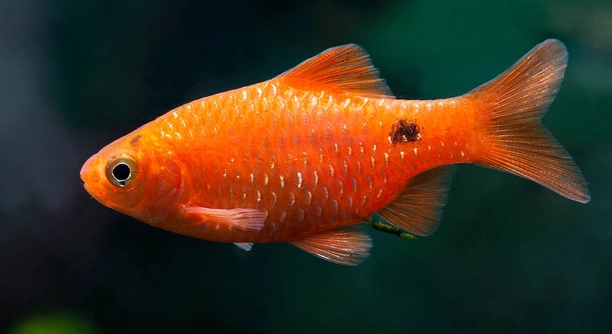
Rosy barbs are popular freshwater fish often kept in home aquariums. Many owners observe their behavior closely and wonder about how they interact with other fish in the tank. Understanding their social and sensory abilities can improve aquarium care.
Research shows that rosy barbs can detect changes in the health of other fish through chemical signals and behavior cues. They respond to signs of illness by altering their own behavior, which helps them avoid potential risks in their environment.
Learning more about these behaviors can help aquarium owners maintain a healthier tank and recognize early signs of disease among their fish.
How Rosy Barbs Detect Sick Fish
Rosy barbs rely heavily on their senses to understand their surroundings. One key way they detect if another fish is sick is through chemical signals released into the water. When a fish becomes ill, it can emit specific chemicals that indicate stress or disease. Rosy barbs pick up on these signals using their sensitive olfactory system. In addition to smell, they observe changes in behavior and appearance of other fish. Sick fish often swim differently or show signs like faded colors or sluggish movements. These visual and chemical cues help rosy barbs recognize unhealthy tank mates early. Recognizing sick fish helps them avoid potential infections and maintain their own well-being. This natural response is important in both wild and home aquarium settings, where close contact makes disease spread more likely. Understanding these detection methods can guide better tank management and fish care practices.
Sick fish release chemicals that signal their condition, which rosy barbs detect through smell and observation.
Noticing these signals helps maintain a healthier aquarium by allowing early intervention before disease spreads to other fish.
Behavior Changes in Rosy Barbs Around Sick Fish
Rosy barbs tend to change their behavior when they sense illness in other fish. They may keep more distance or become less active around a sick tank mate. This cautious approach reduces their risk of catching diseases. Sometimes, rosy barbs show increased alertness or avoid shared spaces like feeding areas or hiding spots. Their social dynamics can shift, with healthy fish grouping separately from those that appear weak or unwell. These changes are subtle but important for maintaining the overall health of the group. Fish owners can observe these behavior patterns as early warning signs. Identifying and isolating sick fish quickly can prevent outbreaks. Paying attention to how rosy barbs interact and move around others gives insight into tank conditions and helps keep the aquatic environment safe for all inhabitants.
How Illness Spreads Among Fish
Fish diseases often spread through direct contact or contaminated water. Sick fish release pathogens into the tank, which can infect healthy fish nearby. Poor water quality and overcrowding increase the risk of disease transmission. Maintaining a clean environment is crucial to reduce illness spread.
Water changes and proper filtration are essential for controlling disease. Removing uneaten food and waste lowers harmful bacteria. Overcrowded tanks cause stress, weakening fish immune systems. Stress makes fish more vulnerable to infection and less able to recover. Quarantining new or sick fish helps prevent outbreaks. Monitoring fish health regularly lets you act early. Preventive care, such as balanced feeding and good water parameters, supports fish resistance. These steps combined reduce the chance of illness spreading in your aquarium, keeping rosy barbs and other fish safer and healthier.
Early detection of sick fish by their tank mates is a natural defense. Rosy barbs’ avoidance behavior can slow disease spread. This helps maintain a stable, healthy aquarium environment over time.
Signs to Watch for in Rosy Barbs
Changes in rosy barbs’ swimming patterns, such as lethargy or erratic movement, can indicate illness. Look for faded color, clamped fins, or loss of appetite. These signs often appear before visible symptoms of disease in other fish.
Behavioral changes like hiding more than usual or isolating from the group may also signal health problems. If several fish show similar symptoms, a contagious disease might be present. Early observation allows timely treatment, improving chances of recovery. Regularly check your rosy barbs for these signs during feeding or tank cleaning. Quick action based on these observations protects the entire fish community. Keeping a close eye on their condition supports a healthy and thriving aquarium.
Preventing Disease in Rosy Barbs
Keeping water clean is the most important step in preventing disease. Regular water changes and good filtration help remove harmful bacteria and toxins.
Avoid overcrowding your tank. Too many fish increase stress and make illness more likely.
The Role of Tank Environment
A well-maintained tank environment supports rosy barbs’ health and resistance to illness. Stable water temperature, proper pH, and sufficient oxygen levels reduce stress. Stress weakens fish immune systems and makes them vulnerable to disease. Providing hiding spots and plants also creates a comfortable space, helping reduce aggression and stress among tank mates. Monitoring water quality and avoiding sudden changes keeps fish healthy and less prone to infections. A balanced diet rich in nutrients further strengthens their immune response, supporting long-term well-being in the aquarium.
Quarantine New Fish
Quarantining new fish before adding them to your main tank helps prevent introducing diseases.
FAQ
Can rosy barbs really sense when other fish are sick?
Yes, rosy barbs can detect when other fish are sick mainly through chemical signals released into the water. These signals help them recognize stress or illness in nearby fish. They also observe changes in behavior and appearance, such as slower movement or faded colors. This ability helps rosy barbs avoid sick fish, reducing their chance of infection.
How do rosy barbs behave around sick fish?
Rosy barbs often keep their distance from fish showing signs of illness. They may swim away or avoid sharing spaces with sick tank mates. This behavior lowers the risk of disease transmission. Sometimes, they become more alert or less active near unhealthy fish, adjusting their social interactions to protect themselves.
What are common signs of illness in rosy barbs?
Common signs include lethargy, loss of appetite, clamped fins, faded colors, and unusual swimming patterns. Hiding more than usual or isolating themselves from the group can also indicate health problems. Watching for these signs helps catch diseases early, improving treatment success.
How can I prevent diseases in my rosy barbs?
Maintaining clean water with regular changes and good filtration is key. Avoid overcrowding the tank to reduce stress, which weakens fish immune systems. Provide a balanced diet and stable water conditions, including temperature and pH. Quarantining new fish before adding them to the main tank also helps prevent disease introduction.
Can rosy barbs spread disease to other fish?
Yes, if they become infected, rosy barbs can pass diseases to other fish through direct contact or contaminated water. This is why quick identification and isolation of sick fish are important. Good tank hygiene reduces the risk of outbreaks.
How quickly do diseases spread in a typical aquarium?
Disease can spread rapidly in a confined space, especially if water quality is poor or the tank is overcrowded. Pathogens released by sick fish move easily through the water, infecting others. Early detection and treatment help control outbreaks and limit spread.
Is it normal for rosy barbs to avoid sick fish?
Yes, this is a natural survival instinct. By avoiding sick fish, rosy barbs reduce their risk of catching diseases. This behavior helps maintain the health of the entire group in the tank.
What should I do if I notice a sick rosy barb?
First, isolate the sick fish in a quarantine tank to prevent spreading disease. Check water quality and improve it if needed. Consider appropriate treatments based on symptoms and consult with a specialist if unsure. Keep monitoring other fish for similar signs.
Can stress cause illness in rosy barbs?
Yes, stress weakens the immune system and makes rosy barbs more vulnerable to diseases. Stress factors include poor water quality, overcrowding, sudden changes in environment, and aggressive tank mates. Reducing stress is essential for keeping fish healthy.
Are there any natural ways to boost rosy barbs’ immune systems?
Providing a varied and nutritious diet is the best natural way to support immune health. Including quality flakes, pellets, and occasional live or frozen foods helps. Maintaining a stable, clean environment also reduces stress, which supports natural immunity.
How often should I check on my rosy barbs’ health?
It’s a good habit to observe your fish daily, especially during feeding. Watch for changes in behavior, appetite, and appearance. Early detection of problems leads to better outcomes.
Can rosy barbs recover fully from illness?
Many illnesses can be treated successfully if caught early. Recovery depends on the disease type, severity, and treatment quality. Providing a stress-free, clean environment during recovery supports healing.
What role does tank size play in preventing disease?
A larger tank provides more space, reducing stress and overcrowding. This lowers the chance of disease spread and helps fish stay healthier. It also makes maintaining water quality easier.
How important is water temperature for rosy barb health?
Stable water temperature within the recommended range (around 64-72°F or 18-22°C) is important. Sudden changes or extremes stress fish, making them more prone to illness. Use a reliable heater and thermometer to monitor temperature.
Are there signs that indicate a disease outbreak in the tank?
Multiple fish showing similar symptoms like lethargy, loss of appetite, or unusual swimming can signal an outbreak. Cloudy water, increased waste, and strong odors may also accompany disease. Immediate action is needed to protect your fish.
Should I treat the whole tank if one rosy barb is sick?
It depends on the illness. For contagious diseases, treating the whole tank may be necessary to stop spread. In less serious cases, isolating the sick fish might be enough. Consult care guides or professionals for proper treatment plans.
How can I tell the difference between stress and illness in rosy barbs?
Stress signs include rapid breathing, hiding, and minor color changes. Illness symptoms are often more severe, such as lesions, fin rot, or drastic behavior changes. Both need attention, but illness usually requires specific treatment.
What role do plants and decorations play in fish health?
Plants and hiding spots reduce stress by providing shelter and natural barriers. This helps shy or sick fish feel safer. They also contribute to water quality by absorbing some waste products, supporting a healthier tank environment.
Is quarantine always necessary for new fish?
Yes, quarantining new fish for at least two weeks helps prevent introducing diseases to the main tank. It allows observation for illness and treatment if needed before mixing fish populations.
How long can rosy barbs live in a healthy aquarium?
With proper care, rosy barbs can live up to 5 years or more. Maintaining good water quality, a balanced diet, and a stress-free environment supports their longevity.
Rosy barbs have an interesting ability to sense when other fish in their tank are sick. They do this mainly by detecting chemical signals released by unhealthy fish and by watching for changes in behavior or appearance. This natural skill helps them avoid illness and stay healthier themselves. Recognizing how rosy barbs respond to sick fish can be very helpful for aquarium owners. It allows for early detection of problems in the tank and helps prevent disease from spreading to other fish.
Keeping a healthy aquarium means paying close attention to water quality, tank size, and the number of fish living together. Regular water changes and good filtration remove harmful substances that can cause stress or illness. Avoiding overcrowding is also important because it lowers the chance of fish getting sick and spreading disease. Rosy barbs, like many fish, do best in a stable environment where temperature, pH, and oxygen levels are consistent. Providing hiding spots and a balanced diet further supports their immune systems and overall well-being.
If you notice any signs of illness in your rosy barbs or other fish, quick action is necessary. Isolating sick fish in a quarantine tank helps stop diseases from spreading. Monitoring behavior changes, such as less movement or loss of appetite, can give clues about health issues. By understanding how rosy barbs detect sickness and what to watch for, you can create a safer, healthier home for your fish. Proper care and attention make a big difference in keeping your aquarium thriving over time.

Hello,
If you enjoy the content that we create, please consider saying a "Thank You!" by leaving a tip.
Every little bit helps us continue crafting quality advice that supports the health, happiness, and well-being of pets around the world, for pets of all shapes, sizes, and species.
We really appreciate the kindness and support that you show us!