
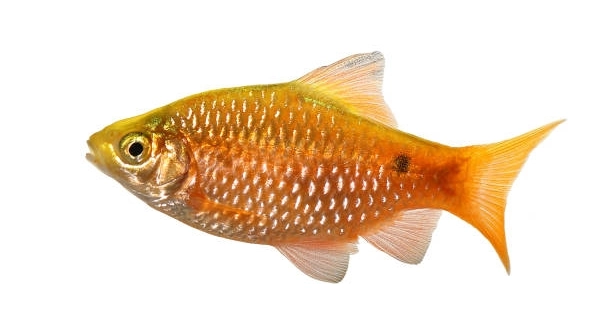
Rosy barbs are known for their lively behavior in community tanks. Many aquarists notice them gathering closely in one corner, often leaving other areas less frequented. This pattern can affect tank dynamics and fish wellbeing in subtle ways.
Rosy barbs crowd the tank corner mainly due to environmental factors such as water flow, lighting, temperature gradients, and territorial behavior. Limited space and tank setup can also encourage clustering, as these fish seek comfort and security in specific areas of the aquarium.
Understanding these reasons can improve tank management and promote healthier fish behavior. This article will explain the key factors behind their corner preference and offer insights for better aquarium care.
Tank Layout and Space Constraints
The design and size of your aquarium play a major role in where rosy barbs like to gather. If the tank is small or has an uneven shape, these fish may feel cramped and choose a corner that feels safest. Decorations, plants, or equipment placed unevenly can also limit their swimming space, encouraging them to stay in one spot. Rosy barbs are active swimmers but also need places to rest and hide. When the layout doesn’t provide enough open swimming areas or hiding spots, they tend to cluster where they feel protected. Proper tank design with balanced space helps reduce crowding and promotes natural behavior. Keeping the tank open and organized allows the fish to explore all areas comfortably. Adjusting the environment to better suit their needs can lessen the tendency to crowd and improve their overall well-being.
Limited space and tank objects can push rosy barbs to gather in one corner more than usual.
Corners provide a sense of safety when the tank feels restrictive or cluttered. Fish seek calm spots away from strong currents and bright lighting, so they often cluster in quieter corners. Rearranging decorations or increasing tank size can encourage more even distribution. Open swimming space and well-placed plants make a big difference. Also, avoiding overcrowding by limiting the number of fish helps maintain balance. Observing how the fish use the tank can guide adjustments to the layout that keep them comfortable and active throughout the whole aquarium.
Water Flow and Current
Water movement affects where rosy barbs prefer to swim and rest. These fish tend to avoid strong currents that tire them out. In tanks with uneven flow, some areas may have faster water movement while others remain calmer. The calmer spots, often in corners, become natural gathering points. Fish feel more secure when they don’t have to fight strong currents constantly. Adjusting the filter output or adding flow deflectors can help distribute water movement more evenly across the tank. This encourages the fish to explore more space instead of clustering. Proper water flow also improves oxygen levels and reduces waste buildup, benefiting overall tank health.
Uneven water currents make rosy barbs stay in calm corners for comfort and energy conservation.
A tank with a balanced current helps rosy barbs swim freely without getting exhausted. They avoid areas where the flow is too strong, so calmer corners attract them naturally. By adjusting filter placement or using flow reducers, the water movement becomes more uniform. This encourages the fish to spread out and reduces crowding. Creating zones of gentle flow also mimics their natural environment, supporting healthy behavior. Watching how the fish respond to changes in water flow helps find the best setup. Improving current balance leads to happier, more active rosy barbs that use the entire tank instead of just one corner. This simple adjustment can make a big difference in their comfort and wellbeing.
Lighting and Shade Preferences
Rosy barbs often gather in tank corners where lighting is softer or shaded. Bright, direct light can stress them, so they seek dimmer spots to feel safe and relaxed.
The lighting setup influences fish behavior strongly. When a tank has uneven lighting, some areas become too bright while others stay darker. Rosy barbs naturally prefer moderate to low light conditions, which reduce stress and prevent overstimulation. Corners often provide this balance, especially if decorations or plants create shadows. Adjusting the aquarium light intensity or adding floating plants can help create more comfortable light zones. This encourages the fish to move freely rather than staying confined to one corner. Proper lighting not only affects mood but also supports plant growth and overall tank health.
Shade created by plants or tank structures offers refuge, making corners attractive resting spots. When fish feel threatened by bright light or sudden changes, they retreat to these calmer areas. Balancing light and shade promotes natural activity and reduces signs of stress. Experimenting with light timers or dimmers also helps create a stable environment. Maintaining consistent light cycles contributes to healthier fish behavior and encourages even tank exploration.
Temperature Variations
Temperature differences inside the tank impact where rosy barbs choose to stay. Cooler or warmer spots can cause fish to group together in corners with preferred temperatures.
Aquarium heaters or filters may create small temperature gradients within the tank, even if subtle. Rosy barbs prefer stable, moderate temperatures around 64-72°F (18-22°C). If certain corners offer a slightly more comfortable temperature, they will gather there to regulate their body heat. Uneven heating or cooling causes clustering and limits movement. Monitoring tank temperature regularly with a reliable thermometer ensures consistency. Adjusting heater placement or improving water circulation reduces hot or cold spots. This encourages fish to distribute more evenly and reduces stress caused by temperature fluctuations.
Stable water temperature is crucial for rosy barbs’ health and comfort. Sudden changes or uneven warmth can weaken their immune system and lead to illness. By controlling tank temperature carefully and ensuring even heat distribution, the fish feel more secure and energetic. A well-maintained thermal environment supports natural swimming patterns and reduces the need for them to crowd in a single area. Proper temperature management improves overall tank harmony and helps your rosy barbs thrive.
Social Behavior and Schooling Instincts
Rosy barbs are social fish that feel safer when close to others. Crowding in corners helps them stick together and reduces stress.
Their natural schooling instinct drives them to move as a group. Corners provide a tight space to stay united, especially when they feel insecure or threatened.
Territoriality and Hierarchy
Within the tank, rosy barbs establish social ranks and territories. Dominant fish may claim favored corners, pushing others to join or avoid these spots. This behavior creates clusters, as lower-ranking fish gather where space is limited but safe. Understanding their social hierarchy can help manage tank dynamics and reduce excessive crowding. Providing ample space and hiding places can ease territorial tensions and encourage a more even spread.
Feeding Zones
Rosy barbs often gather near corners where food is regularly offered. These spots become preferred feeding zones and social hubs.
FAQ
Why do rosy barbs always stay in one corner of the tank?
Rosy barbs tend to gather in one corner due to a combination of environmental and social factors. They often seek out areas where the water flow is calmer, lighting is softer, and temperature feels most comfortable. Corners also provide a sense of security, especially if the tank layout offers hiding spots nearby. Social dynamics such as schooling and territorial behavior can further encourage them to cluster. When these factors align in a particular spot, rosy barbs naturally gravitate there, making that corner their preferred resting or socializing area.
Is it harmful if rosy barbs crowd in one corner?
Crowding itself isn’t immediately harmful, but it can indicate underlying issues. If the fish consistently stay in one corner, it may signal stress from poor water quality, inadequate space, or unfavorable tank conditions. Over time, limited movement and social stress could weaken their immune systems, leading to illness. Providing a well-balanced environment with proper water flow, lighting, and tank size can reduce crowding. Regular tank maintenance and observation help ensure the fish remain healthy and comfortable.
How can I encourage rosy barbs to spread throughout the tank?
Improving tank conditions encourages more even distribution. Ensure the water flow is gentle but consistent throughout the tank by adjusting filters or adding flow deflectors. Use plants and decorations to create hiding spots evenly spaced, so the fish feel secure everywhere. Maintain stable lighting that doesn’t create overly bright or shaded areas. Keep the water temperature uniform and within the preferred range for rosy barbs. Avoid overcrowding by limiting fish numbers to match tank size. These steps make the entire tank inviting, reducing the tendency to crowd in corners.
Can tank size affect rosy barb behavior?
Yes, tank size directly impacts their behavior. Rosy barbs are active swimmers that require ample space to move freely. Smaller or overcrowded tanks limit their swimming area, increasing stress and encouraging clustering in one spot. A tank that meets or exceeds the recommended minimum size for your number of fish promotes natural behavior and reduces aggression or territorial disputes. Proper tank size also improves water quality and oxygen levels, which support healthier, more active fish.
Does the type of tank decoration influence where rosy barbs gather?
Decorations play a significant role in fish distribution. Large or bulky ornaments placed unevenly can block swimming paths, causing fish to congregate in open or sheltered corners. Dense plants or caves offer security but should be balanced throughout the tank. Overcrowded or poorly arranged decorations limit usable space and promote corner gathering. Thoughtful placement that provides both open swimming areas and hiding spots encourages rosy barbs to explore all parts of the aquarium.
How does water temperature affect rosy barb clustering?
Rosy barbs prefer stable temperatures between 64 and 72°F (18-22°C). Uneven heating caused by heater placement or poor water circulation creates temperature pockets. Fish will seek out corners or areas with the most comfortable temperature, often leading to clustering. Sudden temperature changes can increase stress and cause more crowding. Regularly monitoring the tank temperature and ensuring even heat distribution helps prevent this behavior and supports overall fish health.
Why do rosy barbs avoid strong currents?
Strong water currents require extra energy for swimming and can cause stress. Rosy barbs prefer gentle flow that allows easy movement without exhausting them. Areas with strong currents become less attractive, pushing fish toward calmer corners. Adjusting filter output or using flow diffusers creates a balanced environment, encouraging fish to spread evenly. Maintaining proper water movement is essential for oxygen exchange and waste removal but should not compromise fish comfort.
Can lighting make rosy barbs gather in one spot?
Yes, lighting influences their comfort and behavior. Bright, direct light can be stressful, so rosy barbs look for shaded or dimmer areas, often found in corners. Uneven lighting creates zones where fish prefer to stay. Adding floating plants or adjusting the light intensity helps create softer, more balanced illumination. Consistent light cycles reduce stress and promote natural activity throughout the tank.
What social behaviors cause rosy barbs to cluster?
Rosy barbs are schooling fish that naturally stay close together for safety. They also establish social hierarchies, with dominant fish sometimes controlling favored areas. This can force others to gather nearby in limited space. Clustering in corners reflects both their instinct to stay united and the social pressures within the group. Providing enough space and hiding spots reduces tension and supports a more balanced social structure.
How often should I check my tank if rosy barbs keep crowding in one area?
Regular tank checks are important, especially if you notice persistent clustering. Monitor water parameters like temperature, ammonia, nitrites, and nitrates at least weekly. Observe fish behavior daily to spot signs of stress or illness early. Clean the tank and perform water changes as needed to maintain quality. Addressing any environmental or social issues promptly helps prevent chronic crowding and keeps rosy barbs healthy.
Will adding more fish help reduce crowding?
Adding more fish is not recommended to reduce crowding, as overcrowding worsens stress and competition. Instead, focus on improving tank conditions and providing enough space. Overpopulating a tank creates more territorial disputes and poor water quality. A balanced number of fish that fits the tank size promotes healthier behavior and reduces corner clustering naturally.
Rosy barbs crowding in one corner of the tank is a common behavior influenced by many factors. These fish seek comfort and security in their environment, which can lead them to gather where conditions feel safest. Factors like tank size, layout, water flow, lighting, temperature, and social dynamics all play important roles in where rosy barbs choose to spend their time. Understanding these factors helps create a better environment for the fish, reducing crowding and promoting healthier behavior. When the tank offers balanced conditions, rosy barbs will feel more comfortable exploring the entire space rather than sticking to one corner.
Proper tank management is key to preventing rosy barbs from crowding. Maintaining good water quality through regular cleaning and monitoring keeps the fish healthy and less stressed. Ensuring the tank is large enough for the number of fish and has a well-planned layout helps avoid cramped areas. Adjusting water flow so it is gentle and even encourages the fish to swim freely without seeking refuge in calmer corners. Similarly, lighting should be soft and evenly distributed to prevent fish from avoiding overly bright spots. Stable temperature control and proper heater placement also reduce clustering caused by temperature differences. Adding enough plants and hiding places throughout the tank provides security, allowing fish to spread out comfortably.
Keeping an eye on social behavior is equally important. Rosy barbs are schooling fish, so they naturally stay close to one another. However, they also form hierarchies and territorial boundaries. Dominant fish may claim certain areas, pushing others to gather in nearby corners. Offering ample space and multiple hiding spots helps ease social tensions. Avoiding overcrowding by limiting fish numbers reduces competition and territorial disputes. Overall, creating a well-balanced, stable environment helps rosy barbs feel safe and healthy, encouraging them to explore all parts of the tank instead of crowding one corner. This improves their well-being and makes the aquarium more enjoyable to watch.

Hello,
If you enjoy the content that we create, please consider saying a "Thank You!" by leaving a tip.
Every little bit helps us continue crafting quality advice that supports the health, happiness, and well-being of pets around the world, for pets of all shapes, sizes, and species.
We really appreciate the kindness and support that you show us!