
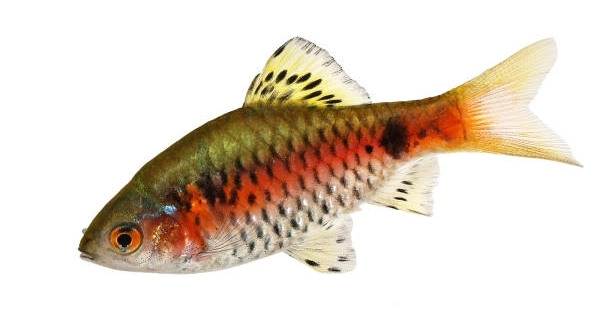
Rosy barbs are small, colorful fish often seen swimming in circles around objects in their tank. This behavior catches the attention of many aquarium enthusiasts who notice their persistent movement. It is a natural and common activity among these lively fish.
The circling behavior of rosy barbs around objects is primarily linked to social interaction and territorial instincts. This movement helps establish dominance, reduces stress, and allows the fish to familiarize themselves with their environment, promoting a sense of safety and comfort.
Understanding why rosy barbs behave this way can improve aquarium care and help maintain a healthy environment for these active swimmers. This insight also sheds light on the social dynamics within their groups.
Reasons Behind Circling Behavior
Rosy barbs often circle objects in their environment for several reasons. One key factor is their natural instinct to establish territory. When they swim around an object, they mark it as part of their space, signaling to other fish to keep away. This behavior also helps reduce stress, especially in tanks with multiple fish. Circling can serve as a way to explore and become familiar with their surroundings, which makes them feel more secure. Sometimes, it is linked to social interactions within the group, as these fish like to stay active and engage with one another. The object becomes a focal point for their activity, encouraging movement and stimulation in the tank. Overall, this circling is a combination of instinct and adaptation to their habitat.
This behavior usually poses no harm and is common among healthy rosy barbs. It’s important to ensure the tank environment supports their needs.
Keeping their environment enriched with plants or decorations encourages natural behaviors while preventing boredom.
How Tank Environment Influences Circling
Tank size and setup have a direct impact on how much rosy barbs circle objects. Smaller tanks can cause more repetitive circling due to limited space. When space is restricted, fish tend to interact more with objects around them as a way to occupy themselves. Conversely, larger tanks with varied features like plants, rocks, and open swimming areas tend to reduce constant circling. The quality of water and the presence of other fish also affect this behavior. Crowded tanks or poor water conditions increase stress, which can lead to more intense or frantic circling. Ensuring good filtration, regular cleaning, and appropriate stocking levels helps keep the fish calm and reduces excessive circling. Paying attention to tank setup can improve the wellbeing of rosy barbs and promote more natural movement patterns.
Impact of Social Behavior on Circling
Rosy barbs are social fish that often swim together in groups, influencing their circling behavior. Group dynamics can increase the frequency and patterns of circling around objects.
Social hierarchy plays a role in their movement. Dominant fish may lead the circling, while others follow to maintain their social position. This behavior helps reduce conflicts by establishing clear roles within the group. When fish swim in coordinated circles, it also provides safety by keeping them alert to potential threats. The presence of companions encourages activity and prevents loneliness, which can otherwise lead to stress or health issues. In community tanks, observing how rosy barbs interact offers insights into their natural social structure and movement patterns.
Circling also acts as a form of communication among the group. This rhythmic swimming around objects sends signals about territory and status. It helps the fish stay connected and organized within their environment.
Environmental Stimuli and Circling
Objects in the tank, such as plants or decorations, attract rosy barbs to swim around them repeatedly. These stimuli serve as focal points for exploration and play.
Varied tank environments keep the fish mentally engaged and physically active. When objects offer shelter or hiding spots, rosy barbs use these features to feel secure. Movement around these items mimics natural behavior in the wild, where fish explore obstacles and find safe zones. If the tank lacks stimulating objects, fish may exhibit repetitive circling out of boredom or stress. Adding diverse decorations not only reduces this but promotes healthier, more balanced behavior. Regularly changing the setup or adding new features can sustain the fish’s interest and well-being over time.
Role of Stress in Circling Behavior
Stress can cause rosy barbs to increase circling around objects. It is often a coping mechanism to manage anxiety in their environment.
Changes in water quality, overcrowding, or sudden movements near the tank can trigger stress. Monitoring these factors helps reduce unnecessary circling.
Feeding and Its Effect on Movement
Feeding times can influence how rosy barbs swim and circle. They often gather near objects where food is introduced, increasing activity.
This behavior is linked to their natural instinct to forage around structures, making feeding an important part of their daily routine.
Importance of Observation
Regularly watching rosy barbs helps identify changes in circling behavior. Sudden increases may indicate stress or illness.
Early detection through observation allows timely adjustments in care, promoting healthier fish and a balanced tank environment.
Maintaining a Balanced Tank
A stable tank environment supports natural behaviors and reduces excessive circling. Consistent care is key.
FAQ
Why do rosy barbs circle the same object repeatedly?
Rosy barbs circle objects mainly due to their territorial instincts and social behaviors. Circling helps them mark their space and reduce stress by familiarizing themselves with the environment. It also acts as a way to communicate with other fish, establishing social order within the group. Objects become landmarks that encourage natural swimming patterns and activity.
Is circling behavior a sign of stress or illness?
Circling alone is not always a sign of stress or illness. It is often a normal behavior. However, if the circling becomes frantic, repetitive without breaks, or is accompanied by other signs like loss of appetite or lethargy, it may indicate stress or health problems. Checking water quality and tank conditions is important to rule out stress factors.
Can tank size affect how much rosy barbs circle objects?
Yes, tank size significantly impacts their behavior. Smaller tanks limit swimming space, causing more repetitive circling around objects. Larger tanks with more room and diverse features reduce this behavior by allowing more freedom to explore and swim freely. Proper tank size supports natural movement and wellbeing.
Do rosy barbs prefer certain types of objects to circle?
They tend to circle objects that offer shelter or act as landmarks, such as plants, rocks, or decorations. These provide a sense of security and points of reference in the tank. Objects that break up open swimming space encourage exploration and reduce boredom.
How does social interaction influence circling behavior?
Circling often involves group dynamics. Dominant fish may lead the movement, with others following to maintain social structure. This coordinated swimming reduces conflicts and signals status within the group. Social fish use circling to stay connected and alert, which benefits their safety and comfort.
What role does feeding play in circling behavior?
Feeding time increases activity around objects because rosy barbs associate those spots with food. They naturally forage near structures, so feeding encourages circling near decorations or plants where food is dropped. This behavior supports their instinct to explore and search for food.
Can environmental changes affect circling behavior?
Yes, changes like adding or removing decorations, adjusting lighting, or altering tank layout can affect circling. New objects attract curiosity, causing temporary increases in circling. Consistent environments reduce stress and repetitive movements. Regularly updating the tank can keep fish engaged but should be done gradually.
How can I reduce excessive circling if it seems stressful?
Improving tank conditions is key. Ensure water quality is optimal, the tank is not overcrowded, and there are enough hiding spots. Adding plants or decorations can help distribute activity and reduce repetitive circling. Also, maintain a stable routine to lower stress levels.
Is it normal for rosy barbs to circle in both directions?
Yes, they often switch directions while circling. This variability is natural and helps them explore all sides of an object. Direction changes can indicate comfort and normal activity rather than stress.
Should I be concerned if rosy barbs stop circling altogether?
If circling behavior stops suddenly, especially if fish become less active or hide more, it might indicate stress, illness, or poor water conditions. Monitoring other signs and testing water quality can help determine if intervention is needed.
Can circling behavior vary with age or health?
Younger or more active rosy barbs tend to circle more as part of play and exploration. Older or sick fish may circle less or show slower movements. Observing these changes helps track their health and wellbeing over time.
How does lighting affect rosy barbs’ circling behavior?
Proper lighting encourages natural activity, including circling. Too much light can cause stress and frantic movement, while too little may reduce their activity. Balanced lighting that mimics natural conditions supports calm and healthy behavior.
Are there specific times of day when rosy barbs circle more?
Rosy barbs are usually more active during daylight hours. Circling behavior tends to increase when they are feeding or during times of heightened social interaction. Nighttime or low-light periods generally show less movement as fish rest.
Can circling cause any harm to rosy barbs?
Normal circling is harmless and part of their natural behavior. Problems arise only if it becomes excessive or frantic, which may indicate stress or health issues. Monitoring behavior and tank conditions helps prevent negative effects.
What is the best way to observe circling without disturbing the fish?
Observe from a distance and avoid sudden movements or tapping on the glass. Using indirect light and watching during feeding or active times offers better insight into their natural behavior without causing stress.
How often should I change the tank setup to keep rosy barbs engaged?
Changing the layout or adding new objects every few months can maintain interest without causing stress. Sudden or frequent changes may confuse the fish, so gradual adjustments are better for their comfort.
Can circling behavior indicate readiness for breeding?
Sometimes, increased activity and circling around specific objects can signal breeding behavior, especially if paired with other signs like chasing or color changes. Providing suitable breeding conditions supports this natural process.
What are common mistakes that increase stressful circling?
Overcrowding, poor water quality, lack of hiding spots, and sudden changes in the tank environment are common causes. Addressing these factors reduces stress and promotes healthy, balanced behavior.
How does temperature influence circling?
Temperature outside the ideal range can stress rosy barbs, leading to changes in activity including more or less circling. Maintaining stable, appropriate temperatures supports normal behavior and health.
Are there other fish species that show similar circling behavior?
Yes, many schooling fish exhibit circling around objects as part of their social and territorial habits. Understanding these patterns helps provide better care for mixed-species tanks.
Rosy barbs’ behavior of circling the same object is a natural part of how they interact with their environment and each other. This movement helps them mark territory, feel secure, and communicate within their group. It is not unusual to see these lively fish swim in circles around decorations, plants, or other objects in their tank. Such behavior reflects their instincts and social nature, giving them a sense of control and comfort in their surroundings. Understanding this can help fishkeepers better appreciate and care for these active swimmers.
The environment of the tank plays a significant role in shaping how much and why rosy barbs circle objects. Factors like tank size, water quality, and the presence of hiding places influence their behavior. Smaller tanks may lead to more repetitive circling due to limited space, while well-decorated and spacious tanks tend to reduce this activity by offering more areas to explore. Proper care in maintaining the tank and creating a comfortable setting encourages natural behaviors and prevents stress-related issues. Watching how the fish respond to their environment can guide adjustments that improve their wellbeing.
Social interaction is another key reason behind circling. Rosy barbs live in groups where hierarchy and communication are important. Circling helps them maintain social order, reduce conflict, and stay connected with one another. This behavior also acts as a form of exercise and mental stimulation, which is vital for their health. Being aware of these factors allows caretakers to provide better environments, ensuring that rosy barbs remain active, healthy, and balanced in their tank life. Overall, recognizing and supporting this natural behavior leads to a happier and more harmonious aquarium.

Hello,
If you enjoy the content that we create, please consider saying a "Thank You!" by leaving a tip.
Every little bit helps us continue crafting quality advice that supports the health, happiness, and well-being of pets around the world, for pets of all shapes, sizes, and species.
We really appreciate the kindness and support that you show us!