
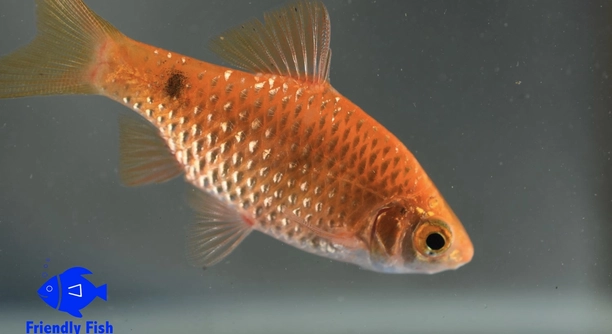
Rosy barbs are lively freshwater fish often kept in home aquariums. They sometimes show challenging behaviors that can affect their health and tank harmony. Improving these behaviors helps create a better environment for both the fish and their keepers.
Effective ways to improve Rosy Barb behavior include maintaining proper water conditions, providing adequate space, offering a balanced diet, reducing stress factors, ensuring compatible tank mates, regular tank maintenance, and enriching their environment to stimulate natural behaviors.
These quick wins support healthier fish and a more peaceful aquarium setting, making your experience as a fishkeeper more rewarding and enjoyable.
Maintain Proper Water Conditions
Keeping water conditions stable is key for Rosy Barb behavior. These fish thrive in clean, well-filtered water with a temperature between 74°F and 79°F. The pH should stay between 6.5 and 7.5. Regular water changes, about 25% weekly, help remove toxins and keep ammonia, nitrite, and nitrate levels low. Monitoring these parameters with test kits ensures the tank remains a safe space. Poor water quality can stress Rosy Barbs, leading to aggression or hiding. A strong filtration system that provides both mechanical and biological filtration supports healthy water. Aeration is important too, as these fish need well-oxygenated water. Avoid sudden changes in temperature or water chemistry, as Rosy Barbs are sensitive to fluctuations. Keeping the tank clean and balanced reduces stress and encourages natural behavior, which means your fish will be more active and social.
Regular water testing is essential to maintain a healthy environment and prevent behavioral issues in Rosy Barbs.
Providing stable and clean water conditions creates the foundation for healthier, calmer Rosy Barbs that are less prone to stress-related problems.
Provide Adequate Space and Tank Setup
Rosy Barbs need enough space to swim freely. A tank of at least 30 gallons is recommended for a small group. Overcrowding causes stress and aggressive behavior. The tank should have open swimming areas with plants and hiding spots to reduce tension. Plants like Java fern or Anubias provide shelter without blocking swimming space. Avoid sharp decorations that can injure active Rosy Barbs. The substrate can be fine gravel or sand to mimic their natural environment. Proper lighting and a gentle current also support natural activity. Regularly rearranging decorations slightly can keep the fish stimulated but avoid sudden big changes. Good space and setup reduce fights and promote peaceful schooling behavior. When fish feel secure and have room to move, they show healthier, more natural behavior. Attention to tank size and environment is one of the easiest ways to improve Rosy Barb temperament over time.
Offer a Balanced Diet
Rosy Barbs need varied food to stay healthy. Feeding them high-quality flakes, pellets, and occasional live or frozen foods ensures proper nutrition.
A balanced diet supports vibrant colors, energy, and natural behavior. Flake or pellet food designed for tropical fish provides essential vitamins and minerals. Supplementing with live or frozen foods like brine shrimp, daphnia, or bloodworms adds protein and encourages natural hunting instincts. Overfeeding should be avoided as it can cause water pollution and health problems. Feed small amounts two to three times daily, only what the fish can consume within a few minutes. Proper nutrition reduces aggression and promotes a peaceful tank atmosphere.
Including plant-based foods such as spirulina flakes or blanched vegetables helps meet dietary needs and supports digestion. Feeding variety also prevents boredom and mimics the Rosy Barb’s natural feeding habits, improving overall well-being.
Reduce Stress Factors
Stress triggers unwanted behavior in Rosy Barbs, including aggression and hiding. Keeping a consistent environment helps lower stress levels.
Sudden changes in water temperature, poor water quality, and overcrowding all cause stress. Noise, vibrations near the tank, or constant tapping on the glass also upset the fish. A quiet, stable environment with proper lighting and regular routines reduces stress. Avoid placing the tank near busy areas or direct sunlight. Monitoring water parameters frequently and avoiding aggressive tank mates keeps the fish calm. Stress reduction leads to healthier immune systems and better social interactions among Rosy Barbs.
Ensure Compatible Tank Mates
Choosing peaceful tank mates reduces conflicts. Avoid aggressive or overly territorial fish that may stress Rosy Barbs.
Ideal companions include similar-sized, non-aggressive species that school well. This balance helps maintain harmony and encourages natural social behavior in the tank.
Regular Tank Maintenance
Frequent cleaning prevents harmful buildup. Weekly water changes and gravel vacuuming keep the environment healthy.
Consistent maintenance removes waste and uneaten food, which reduces toxins and algae growth. This supports stable water conditions, essential for Rosy Barbs’ well-being and calm behavior.
Enrich Their Environment
Adding plants and decorations offers stimulation and shelter. This reduces boredom and aggressive behavior.
Providing hiding spots and varied textures encourages natural exploration and activity, making Rosy Barbs feel secure and engaged.
FAQ
Why are my Rosy Barbs showing aggressive behavior?
Aggression in Rosy Barbs often results from overcrowding, poor water quality, or stress. When tank space is limited, these fish may compete aggressively for territory or food. Additionally, inconsistent water parameters or lack of hiding places can cause them to act out. Ensuring proper tank size, stable water conditions, and compatible tank mates reduces this behavior significantly.
How can I tell if my Rosy Barbs are stressed?
Signs of stress include hiding, loss of appetite, faded colors, and erratic swimming. Stress can also lead to disease or weakened immune response. Monitoring water parameters and observing their behavior daily helps catch stress early. Making sure the environment is stable and calm supports their health.
What is the best diet for Rosy Barbs?
A varied diet including high-quality flakes or pellets combined with live or frozen foods is ideal. Protein sources like brine shrimp or bloodworms encourage natural hunting behavior and boost health. Including some plant-based food helps digestion. Feeding small amounts two to three times daily prevents overfeeding and water pollution.
How often should I change the water in my Rosy Barb tank?
Performing a 20-25% water change weekly is recommended. Regular water changes keep toxin levels low and maintain stable water chemistry. Frequent partial changes are better than occasional large ones because they prevent sudden shifts in water conditions, which can stress the fish.
Can Rosy Barbs live with other fish?
Yes, Rosy Barbs do well with peaceful, similarly sized fish. Avoid aggressive or very small fish that might be bullied or eaten. Good companions include tetras, danios, and other barbs. Always research compatibility to maintain a peaceful community tank.
Why do my Rosy Barbs nip at each other?
Nipping is usually a sign of overcrowding, boredom, or stress. They may also compete for food or territory. Providing enough space, adding plants or decorations for hiding, and ensuring a balanced diet can reduce nipping. Keeping them in groups of at least six also spreads aggression and promotes schooling.
What tank size is best for Rosy Barbs?
A minimum of 30 gallons is recommended for a small group. This allows enough swimming space and reduces territorial disputes. Larger tanks give more stable water conditions and room to add plants and decorations, which support natural behavior.
How do I prevent disease in Rosy Barbs?
Maintaining clean water, a balanced diet, and a stress-free environment is essential. Quarantine new fish before introducing them to the main tank to avoid spreading illness. Regularly check fish for signs of disease such as spots, clamped fins, or unusual behavior, and act quickly if problems arise.
Are Rosy Barbs easy to care for?
Rosy Barbs are considered moderately easy to care for with proper tank setup and maintenance. They need stable water conditions, regular feeding, and a peaceful environment. Paying attention to these basics helps avoid many common problems.
How long do Rosy Barbs typically live?
With good care, Rosy Barbs can live 5 to 7 years. Proper diet, clean water, and a low-stress environment contribute to their longevity. Regular observation and maintenance are important for their health throughout their lifespan.
Final Thoughts
Taking care of Rosy Barbs involves more than just feeding them and keeping the tank clean. Their behavior reflects the conditions they live in. When water quality is good, the tank is spacious, and stress is low, these fish show their natural, peaceful behavior. Paying attention to details like diet, tank mates, and environment plays a big role in how they act. Small changes can make a big difference in reducing aggression or hiding. Creating a stable home for Rosy Barbs helps them thrive and keeps the aquarium enjoyable to watch.
Many behavior problems come from common issues that are easy to fix. For example, improving water quality with regular testing and changes can quickly calm stressed fish. Making sure the tank is not overcrowded and adding plants or decorations gives Rosy Barbs places to explore and hide. These simple steps often improve their mood and social interaction. Feeding a varied diet also supports their health and energy levels, which influences behavior. Keeping an eye on their habits and environment regularly helps catch problems early and adjust care before issues worsen.
Ultimately, successful care of Rosy Barbs means paying close attention to their needs and environment. Each tank is unique, so observing the fish and learning from their behavior guides better decisions. When their basic needs are met, Rosy Barbs become more active, colorful, and social. This makes the aquarium a peaceful and vibrant space. The tips shared here offer practical ways to improve behavior and wellbeing. With consistent care and patience, Rosy Barbs will reward you with their lively presence and natural charm.

Hello,
If you enjoy the content that we create, please consider saying a "Thank You!" by leaving a tip.
Every little bit helps us continue crafting quality advice that supports the health, happiness, and well-being of pets around the world, for pets of all shapes, sizes, and species.
We really appreciate the kindness and support that you show us!