
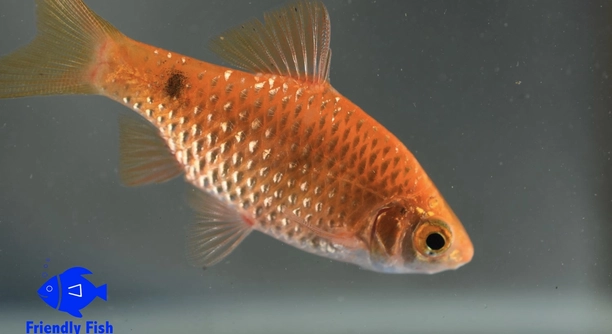
Rosy barbs are popular aquarium fish known for their lively colors and active behavior. Many owners enjoy watching their playful interactions. However, sometimes these fish display sudden aggression that can be surprising and concerning to observe.
Spontaneous aggression in rosy barbs is typically triggered by factors such as overcrowding, insufficient hiding spaces, competition for food, or stress from changes in their environment. These conditions disrupt their social balance, leading to territorial and aggressive behaviors.
Understanding what causes this aggression will help you create a healthier environment for your rosy barbs and reduce conflicts in your aquarium.
Common Environmental Triggers
Rosy barbs react strongly to their environment. Overcrowding is a frequent cause of aggression because it limits their space to swim freely. When too many fish are kept in one tank, stress levels rise. This stress can make rosy barbs more defensive and prone to chasing others. Another environmental factor is a lack of hiding spots. Without places to retreat, fish feel vulnerable and may act aggressively to protect their territory. Changes in water conditions, such as temperature or pH fluctuations, also contribute to stress. These changes disrupt their comfort and can lead to sudden aggressive outbursts. Regular monitoring of tank conditions and maintaining stable water parameters are essential to reducing aggression.
Proper tank setup and maintenance help minimize these triggers, promoting a calm and balanced community.
Keeping the environment stable and providing enough space and shelter reduces tension and supports peaceful behavior.
Social and Feeding Dynamics
Aggression can arise from social interactions and feeding routines. Rosy barbs have a natural hierarchy, and competition for food or mates can increase hostility. Feeding times may turn chaotic if food is limited or unevenly distributed, causing some fish to dominate others. This competition heightens stress and triggers aggressive acts. Establishing a regular feeding schedule and ensuring ample food for all fish reduces conflicts. Observing how rosy barbs interact during feeding helps identify dominant individuals and allows for adjustments to care routines. Managing social dynamics is key to maintaining harmony within the tank.
Tank Size and Space
Rosy barbs need enough room to swim and establish territories. A small tank can increase stress and aggression.
A tank smaller than 30 gallons is often too cramped for a group of rosy barbs. Limited space causes fish to compete aggressively for territory and resources. Providing at least 40 gallons helps reduce conflicts by allowing fish to spread out and avoid constant confrontation. Proper tank size also supports better water quality, which lowers stress and aggression.
Adding plants and decorations can create visual barriers that reduce direct lines of sight, calming the fish. Ensuring enough swimming space combined with hiding places creates a balanced environment that minimizes aggressive behavior.
Recognizing Aggression Early
Early signs of aggression include chasing, nipping fins, and rapid swimming. These behaviors indicate stress and conflict.
Spotting aggression early helps prevent serious injury and maintains tank harmony. Some rosy barbs may be more aggressive due to personality or health. Removing or isolating aggressive fish temporarily can stop escalation. Observing behavior daily allows timely intervention. Adjusting tank conditions, such as adding more space or rearranging decorations, can reduce triggers. Early recognition and action protect the wellbeing of all fish and promote a peaceful aquarium environment.
Lighting and Its Effects
Bright lighting can make rosy barbs feel exposed and stressed. This stress may increase aggressive behavior.
Using dimmer or natural lighting helps create a calm environment. Providing shaded areas with plants or decorations allows fish to escape harsh light and reduces tension in the tank.
Role of Gender in Aggression
Male rosy barbs tend to be more territorial and aggressive, especially during breeding seasons. Females are generally less confrontational. Males may chase each other or nip fins to establish dominance. Separating aggressive males or keeping more females than males can help balance aggression. Understanding gender roles is important for managing peaceful tank dynamics and reducing conflict.
Impact of Water Quality
Poor water quality increases stress, which leads to aggression. Regular water changes and monitoring are essential to keep fish healthy and calm.
Adjusting Fish Numbers
Overcrowding heightens aggression. Keeping an appropriate number of rosy barbs for your tank size helps maintain peace.
FAQ
What causes sudden aggression in rosy barbs?
Sudden aggression usually results from stress caused by overcrowding, poor water quality, or changes in the tank environment. Lack of hiding spots and competition for food or territory can also trigger aggressive behavior. Stress weakens their tolerance for other fish and causes them to act defensively or aggressively without warning.
How can I reduce aggression in my rosy barbs?
To reduce aggression, maintain proper tank size with enough space for each fish. Provide plenty of plants and decorations for hiding and territory boundaries. Keep the water clean and stable by performing regular changes and testing parameters. Feeding enough food evenly during scheduled times helps minimize competition and tension.
Is it normal for rosy barbs to nip fins?
Yes, fin nipping is common among rosy barbs as a way to establish dominance. However, if it becomes frequent or severe, it indicates stress or overcrowding. Adjusting the environment or separating aggressive individuals can help prevent damage.
Should I keep only male or female rosy barbs to avoid aggression?
Male rosy barbs are generally more aggressive, especially during breeding. Keeping a higher ratio of females to males can reduce conflicts. It is not necessary to keep only one gender, but balancing the sexes helps manage aggression.
How many rosy barbs should I keep in my tank?
A minimum of six rosy barbs is recommended to spread aggression evenly and prevent any one fish from being singled out. However, the tank should be at least 30 to 40 gallons to provide enough swimming space. Overcrowding increases stress and aggression, so adjust numbers based on tank size.
Can changing the tank setup reduce aggression?
Yes, rearranging plants, rocks, and decorations can break established territories and reduce fighting. Adding new hiding spots gives fish places to retreat, which lowers tension. A fresh layout often calms aggressive behavior by disrupting territorial patterns.
Does diet affect rosy barb aggression?
Feeding a balanced diet in adequate amounts reduces competition during feeding times. If food is scarce or unevenly distributed, more aggressive fish may dominate, causing stress and fights. Feeding smaller portions multiple times a day can help keep peace.
What water conditions are best to prevent aggression?
Rosy barbs thrive in stable water with temperatures between 70°F and 78°F and a pH of 6.5 to 7.5. Sudden changes in temperature, pH, or hardness cause stress and trigger aggression. Regular testing and maintenance ensure stable conditions.
How do I handle aggressive fish in a community tank?
Observe the fish to identify the aggressive individual. You may isolate it temporarily in a separate tank or use a divider. Adjusting tank size, rearranging decorations, or adding more hiding places can also reduce aggression. Sometimes, removing the most aggressive fish is necessary to protect others.
Can lighting influence rosy barb behavior?
Bright or harsh lighting can stress fish, making them more aggressive. Providing dimmer lighting or shaded areas helps fish feel safe and less exposed. Use floating plants or decorations to create natural shaded spots.
Is aggression more common during breeding?
Yes, males become more territorial and aggressive when breeding. They chase rivals and may nip fins to protect mates or territory. During this time, extra care should be taken to provide enough space and hiding places to reduce conflict.
How often should I check on my fish to monitor aggression?
Daily observation is important to catch early signs of aggression. Look for chasing, fin nipping, or hiding behavior. Early intervention helps prevent injury and stress.
Can other fish species affect rosy barb aggression?
Certain tank mates can increase stress and trigger aggression in rosy barbs. Avoid keeping overly aggressive or very timid species together. Compatible community fish help maintain peace and reduce fighting.
What are the signs that aggression is harming my rosy barbs?
Look for torn fins, injured or stressed fish, and constant chasing. Persistent aggressive behavior can lead to illness and even death. Prompt action is necessary to protect all fish.
Are there natural behaviors mistaken for aggression?
Sometimes, chasing is part of normal social interaction, especially during schooling or establishing hierarchy. However, persistent fin nipping or injury indicates true aggression that needs to be managed.
Can aquarium size alone solve aggression problems?
While tank size is crucial, other factors like hiding places, social dynamics, and water quality also matter. A large tank without proper setup or care can still have aggressive fish.
How does temperature variation impact aggression?
Sudden or frequent changes in temperature cause stress, which can increase aggressive behavior. Maintaining a consistent, suitable temperature helps keep rosy barbs calm.
Is it helpful to add more fish to spread out aggression?
Adding more fish sometimes dilutes aggression by spreading it across the group. However, this only works if the tank is large enough. Overcrowding will increase stress and worsen aggression.
What can I do if aggression continues despite changes?
If aggression persists, isolate or remove the most aggressive fish. Consult with an aquatic specialist for advice tailored to your tank’s specific conditions and fish behavior.
Rosy barbs are lively and colorful fish that bring energy to an aquarium. However, their spontaneous aggression can be challenging to manage. Understanding the main triggers such as overcrowding, lack of hiding places, and changes in water conditions is important. These factors increase stress and cause the fish to act aggressively. By keeping the environment stable and providing enough space, owners can reduce conflicts and create a peaceful tank for their rosy barbs.
Maintaining good water quality and feeding routines also play key roles in preventing aggression. Clean water reduces stress, while feeding enough food evenly distributed helps avoid competition and fights. Social dynamics, including the balance between males and females, influence behavior as well. Males tend to be more territorial, especially during breeding, so adjusting the ratio or separating aggressive individuals can improve harmony. Monitoring daily behavior helps catch early signs of aggression, allowing quick action before problems worsen.
In summary, managing spontaneous aggression in rosy barbs involves a combination of proper tank size, environmental enrichment, good water maintenance, and attention to social interactions. Making small changes like adding plants for hiding, adjusting lighting, or rearranging decorations can calm aggressive tendencies. Regular observation and timely intervention ensure a healthier and more balanced aquarium. With these steps, rosy barbs can thrive peacefully, making them enjoyable and beautiful additions to any freshwater setup.

Hello,
If you enjoy the content that we create, please consider saying a "Thank You!" by leaving a tip.
Every little bit helps us continue crafting quality advice that supports the health, happiness, and well-being of pets around the world, for pets of all shapes, sizes, and species.
We really appreciate the kindness and support that you show us!