
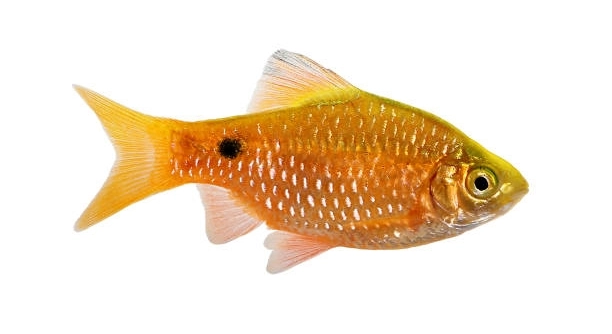
Many aquarium enthusiasts enjoy keeping rosy barbs because of their vibrant colors and active nature. These fish are popular in community tanks and thrive well when certain conditions are met. Understanding what encourages schooling behavior helps create a healthy environment for them.
Schooling in rosy barbs is encouraged by factors such as adequate group size, proper tank size, stable water conditions, sufficient hiding spaces, consistent feeding routines, compatible tank mates, and minimal stress. These elements collectively promote natural schooling behavior and overall well-being.
Knowing these key factors can improve how you care for rosy barbs. This knowledge supports creating a balanced and harmonious aquarium where these fish flourish.
Group Size Matters
Rosy barbs naturally swim in groups, so having enough of them in one tank is important. A small number can make them feel insecure, causing them to hide or become aggressive. At least six rosy barbs is recommended to encourage schooling behavior. This allows them to interact, follow each other, and feel safer together. When the group is large enough, they swim in coordinated patterns, which is a sign of healthy schooling. Without enough companions, they may become lonely or stressed, which can lead to health problems. Observing their behavior will show if the group size is right. If you notice them swimming separately or showing aggression, it might be time to adjust the number of fish. Making sure the group size fits their social nature is a simple but effective way to keep rosy barbs active and happy.
A properly sized group encourages natural schooling, which improves their comfort and reduces stress. It also helps maintain a peaceful tank environment overall.
Ensuring your rosy barbs are in a group of six or more can make a big difference. When they swim together, it’s easier to notice signs of illness or distress early on. Watching them move as a group adds beauty to the tank and helps them feel secure. Social behavior like this also keeps them mentally stimulated, which is just as important as water quality. Providing the right number of fish is one of the easiest ways to support their health and happiness.
Tank Size and Environment
A spacious tank gives rosy barbs room to swim freely.
Rosy barbs need a tank that holds at least 30 gallons. This size provides enough space for their group to move comfortably and form schools naturally. Overcrowding limits their movement and causes stress, which can prevent schooling. The tank should also have places where they can hide if needed, such as plants or decorations. These spots offer security and reduce anxiety. Clean water and stable temperature help maintain their health, encouraging natural behaviors like schooling. Regular water changes and proper filtration keep the environment safe. The more comfortable they feel in their space, the more likely they are to swim in groups. A well-maintained tank with enough room creates a healthy setting for rosy barbs to thrive.
Keeping the tank clean and properly set up directly supports schooling behavior. A balanced environment encourages calm, coordinated swimming patterns.
An ideal tank size and setup are crucial for rosy barbs to display natural schooling behavior. When they have enough space, they can spread out and follow each other without stress. Decorations like live plants offer hiding spots that help reduce nervousness. Stable water conditions prevent sudden changes that might disturb them. Maintaining a proper temperature between 64°F and 72°F supports their comfort. Regular cleaning prevents the build-up of harmful substances that can affect their health. Overall, a spacious, well-kept tank promotes not only their physical health but also their social habits. This leads to a lively, attractive aquarium with active rosy barbs that show off their schooling behavior.
Stable Water Conditions
Stable water conditions are vital for rosy barbs to school well. Sudden changes in temperature or water quality stress the fish, causing them to scatter or hide. Maintaining consistent parameters helps them feel safe and promotes natural schooling behavior.
Regular monitoring of pH, ammonia, nitrite, and nitrate levels is essential to keep water safe. Rosy barbs prefer a pH between 6.5 and 7.5 and temperatures around 64°F to 72°F. Using a reliable heater and filter keeps these factors steady. Sudden fluctuations can weaken their immune system and disrupt social interactions. Keeping the water clean through regular changes helps prevent harmful buildup. Consistent water quality supports their health and encourages them to swim together, showing more natural and active schooling behavior.
Frequent testing and gentle maintenance routines reduce stress, making rosy barbs more likely to remain calm and school. An environment with stable water helps them build trust in their habitat, promoting peaceful group swimming. Avoiding sudden changes keeps their behavior predictable and healthy, which benefits the entire tank community.
Feeding Routine
A regular feeding schedule supports schooling by reducing competition and stress. When food is predictable, rosy barbs feel secure and can focus on swimming together rather than fighting for meals.
Providing balanced nutrition at consistent times helps maintain energy levels, which encourages active schooling. Feeding small amounts multiple times a day prevents overfeeding and keeps water quality high. Uneaten food can cause water issues, affecting their health and behavior. Rosy barbs do well on a mix of flakes, pellets, and occasional live or frozen foods like brine shrimp. A steady routine helps reduce aggression during feeding and promotes cooperation. Predictability in feeding strengthens their daily rhythm, supporting calmer, more social behavior in the tank.
Healthy, consistent feeding ensures rosy barbs have the energy to swim in groups and stay active. Avoiding sudden changes in diet or feeding times keeps them balanced and stress-free, which enhances schooling. Proper feeding is a simple step with a big impact on their well-being and social habits.
Compatible Tank Mates
Choosing the right tank mates is important for rosy barbs to school peacefully. Aggressive or very shy fish can disturb their behavior.
Ideal companions are similarly sized, peaceful species that won’t bully or compete aggressively for food or space.
Minimal Stress
Stress can cause rosy barbs to break from schooling or hide. Avoid sudden loud noises, rapid tank movements, or frequent disturbances.
Maintaining a calm environment with gentle lighting and steady routines helps them feel secure. When stress is low, rosy barbs are more likely to swim together naturally.
Hiding Spaces
Providing plants, rocks, or decorations gives rosy barbs places to retreat when needed.
These spots reduce anxiety and create a balanced environment where schooling feels safer and more comfortable.
FAQ
Why do rosy barbs school?
Rosy barbs school mainly for safety and social interaction. Being in a group helps protect them from perceived threats and predators. Schooling also reduces stress because the fish feel more secure with companions around. Additionally, swimming together helps them coordinate movements, find food efficiently, and maintain energy.
How many rosy barbs should I keep to encourage schooling?
At least six rosy barbs are recommended to encourage natural schooling behavior. Smaller groups may cause stress or aggression because they don’t feel safe or socially satisfied. Larger groups give them more comfort and allow their schooling instincts to appear clearly.
What tank size is best for schooling rosy barbs?
A tank of 30 gallons or more is ideal for a group of rosy barbs. This size provides enough swimming space for them to school freely without overcrowding. A cramped tank can limit their movement, causing stress and reducing schooling behavior.
Can rosy barbs school with other fish species?
Yes, but tank mates should be peaceful and similar in size. Aggressive or very timid fish can disrupt schooling and stress the barbs. Good companions include danios, tetras, and other community fish that share similar water needs.
What water conditions help promote schooling?
Stable water conditions are key. Maintain pH between 6.5 and 7.5, temperature around 64°F to 72°F, and keep ammonia and nitrites at zero. Regular water changes and good filtration prevent sudden changes that might scare the fish and disrupt schooling.
Does feeding affect schooling behavior?
Yes, a consistent feeding routine helps maintain calm and reduces competition during meals. Feeding small amounts multiple times a day ensures all fish get enough food without overcrowding or fighting. Balanced nutrition supports their energy for active schooling.
How can stress be minimized to encourage schooling?
Stress is reduced by avoiding sudden noises, bright lights, or frequent tank disturbances. Providing hiding spots also helps fish feel secure. Keeping water quality stable and maintaining a regular routine supports a calm environment where schooling can happen naturally.
What signs show rosy barbs are schooling properly?
When schooling, rosy barbs swim together in the same direction, often moving in sync. They appear relaxed, with smooth, coordinated movements. Signs of poor schooling include hiding, aggression, or swimming separately without coordination.
Are decorations important for schooling rosy barbs?
Decorations like plants and rocks provide shelter and reduce stress, but too many obstacles can limit swimming space. A balanced tank setup allows barbs to hide when needed but still swim freely in groups.
Can rosy barbs school in small tanks?
Small tanks often limit schooling because there isn’t enough space for coordinated group movement. This can cause stress and aggression. Larger tanks give them freedom to express natural schooling behaviors and stay healthy.
How often should water be changed to support schooling?
Changing 25-30% of the water every week helps maintain good water quality. Clean water reduces stress and supports overall fish health, which encourages schooling. Avoid sudden, large water changes to prevent shock.
What role does lighting play in schooling behavior?
Moderate, consistent lighting helps maintain a calm tank environment. Sudden changes or very bright lights can stress fish and disrupt schooling. Natural day-night cycles or timers keep conditions stable and comfortable.
How do rosy barbs behave if they feel unsafe?
When unsafe, rosy barbs may hide, scatter, or act aggressively. They lose the calm, synchronized swimming typical of schooling. Maintaining a stable, quiet environment helps prevent this behavior and encourages schooling.
Can overcrowding affect schooling?
Yes, overcrowding leads to stress, poor water quality, and aggression. These problems break down schooling behavior. Keeping a proper fish count and tank size is essential to promote healthy group dynamics.
Is it normal for rosy barbs to sometimes swim alone?
Occasionally swimming apart is normal, especially during feeding or rest. However, persistent isolation can indicate stress or illness. Observing their usual schooling patterns helps detect when something is wrong.
What should I do if rosy barbs are not schooling?
Check group size, tank size, water conditions, and stress factors first. Adjust any problems and be patient. Rosy barbs usually return to schooling once comfortable and healthy in their environment.
Creating the right environment is essential for encouraging schooling in rosy barbs. These fish naturally enjoy swimming together, and when their needs are met, they show this behavior more clearly. Group size, tank size, water conditions, feeding routines, tank mates, stress levels, and hiding places all play important roles. Each factor supports the fish’s comfort and security, which helps them swim in groups and display natural social behaviors. Paying attention to these details improves not only their schooling but also their overall health and happiness.
Maintaining stable water quality is one of the most important steps. Rosy barbs are sensitive to sudden changes in temperature, pH, or ammonia levels. When the water is clean and stable, they feel safe and less stressed. A consistent feeding schedule with nutritious food also gives them energy to stay active and swim together. Providing enough space by choosing a proper tank size prevents overcrowding, which can cause aggression and stress. Adding peaceful tank mates and plenty of hiding spots further supports a calm and balanced environment, allowing rosy barbs to feel secure and focus on schooling.
In summary, creating a well-balanced aquarium tailored to rosy barbs’ needs encourages their natural schooling behavior. It requires effort to maintain the right conditions and care routines, but the results are worth it. When comfortable and secure, rosy barbs swim together confidently, which is rewarding to observe. Keeping these factors in mind helps ensure your fish live healthier, longer lives while showing their beautiful, coordinated movements. Proper care is the key to supporting the social habits that make rosy barbs so enjoyable to keep.

Hello,
If you enjoy the content that we create, please consider saying a "Thank You!" by leaving a tip.
Every little bit helps us continue crafting quality advice that supports the health, happiness, and well-being of pets around the world, for pets of all shapes, sizes, and species.
We really appreciate the kindness and support that you show us!