
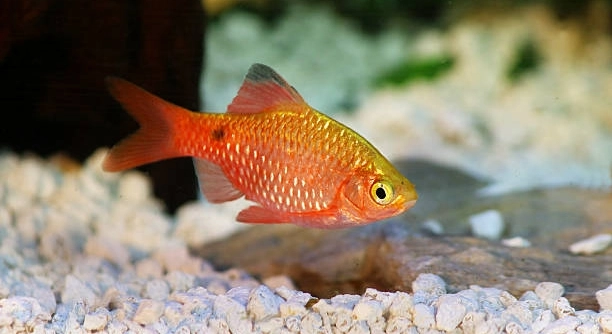
Do you ever find yourself second-guessing how well you’re caring for your Rosy Barbs each week? These lively freshwater fish may seem low-maintenance, but small details in their routine can have a big impact.
The best way to ensure your Rosy Barbs thrive is by tracking seven essential care habits weekly. Monitoring feeding, water quality, tank environment, and behavior helps maintain their health, supports vibrant coloring, and prevents common stress-related issues.
By keeping a simple weekly checklist, you’ll support your Rosy Barbs’ well-being and create a more balanced, stress-free aquarium environment.
Track Water Parameters Consistently
Rosy Barbs do best in clean, stable water. Each week, test the ammonia, nitrite, nitrate, and pH levels. These fish prefer slightly acidic to neutral water with pH between 6.5 and 7.5. Nitrate should stay under 40 ppm, and ammonia and nitrite should always be at zero. Testing kits are easy to use and give you quick results. If anything seems off, do a partial water change. Keep a small notebook or app to log each result so you can catch changes early. Stable water quality reduces stress and disease, keeping your fish active and healthy every day.
Tracking helps you react quickly to any shifts in water quality. It also makes routine care easier and less overwhelming over time.
Taking five minutes once a week to test and log water stats creates a healthier tank. A consistent routine keeps your Rosy Barbs safe, especially in a community tank where more waste is produced.
Watch for Aggressive Behavior
Rosy Barbs are active and sometimes chase each other. A bit of chasing is normal, but if you see nipping or fin damage, it’s time to pay closer attention.
Try spreading out decorations to break line of sight and add more plants for hiding spaces. Make sure you have at least six Rosy Barbs together, as they are schooling fish and do best in groups. Too few can lead to bullying. Also, check if other tank mates are triggering stress. Weekly observation helps you spot patterns. If one fish is constantly targeted, you may need to separate it. Look for torn fins, hiding, or loss of appetite—these are early signs of stress. Healthy group dynamics help Rosy Barbs feel safer and show their natural colors. Watching them closely once a week can prevent larger problems and gives you a chance to enjoy their lively behavior without issues.
Check for Signs of Illness
Look at your Rosy Barbs closely each week. Pale color, clamped fins, rapid breathing, or strange swimming can all point to a health issue. Catching these early can stop things from getting worse.
Changes in behavior are usually the first warning. A Rosy Barb that hides more than usual or skips meals may be unwell. Inspect their fins and scales for signs of damage, white spots, or bloating. Watch how they swim—tilting, floating oddly, or rubbing against objects could signal parasites or bacterial problems. If something looks off, separate the fish if possible and monitor its condition. Acting early gives you the best chance of a full recovery and keeps illness from spreading to the rest of the tank.
Some conditions develop slowly, which is why weekly checks are helpful. Keeping a routine helps you stay familiar with your fish’s normal behavior, making changes easier to spot without needing expert knowledge.
Review Feeding Amounts and Behavior
Overfeeding is one of the most common mistakes in home aquariums. Each week, take a moment to observe how your Rosy Barbs react to feeding. All food should be gone within two minutes, with no leftovers sitting on the bottom.
If you notice food collecting at the bottom or a few fish consistently missing out, adjust the amount or feed in smaller portions twice a day. Rosy Barbs are quick swimmers and can dominate feeding time, so watch to make sure all fish get a fair share. Leftover food leads to dirty water, which harms water quality. Check their bellies—slight roundness is normal, but swelling may point to constipation or other issues. If needed, skip one feeding day a week to help digestion. Consistent weekly monitoring of how much you’re feeding and how your fish respond keeps your Rosy Barbs in better shape and avoids waste buildup that stresses the tank.
Clean Uneaten Food and Waste
Use a gravel vacuum or siphon once a week to remove waste and leftover food. These quickly build up and affect water quality. Cleaning just a portion of the substrate each time helps avoid removing helpful bacteria.
Make sure to check under plants and decorations. These spots often hide leftover debris that you might miss. Regular cleanup keeps ammonia levels low and prevents cloudy water.
Observe Tank Equipment Function
Check that the filter is running smoothly and that water is circulating properly. Look for slow flow or strange noises, which may mean the filter needs cleaning. Make sure the heater is stable and holding the correct temperature for your Rosy Barbs, ideally between 72°F and 78°F. Lighting should turn on and off consistently, especially if it’s connected to a timer. Faulty equipment can throw off your tank’s balance without you noticing right away. A quick weekly look at all devices helps you catch small problems before they grow into bigger ones. Even a simple reset or rinse can make a big difference.
Monitor Plant Growth and Algae
Trim any dying plant leaves and remove visible algae each week. Algae buildup on glass or decorations can block light and affect water conditions. Healthy plant growth also supports better oxygen levels and gives your fish more cover.
FAQ
How often should I change the water in my Rosy Barb tank?
Change about 20–30% of the water once a week. This keeps the tank clean without removing too many beneficial bacteria. Use a dechlorinator every time you add new water, and match the temperature to avoid shocking the fish. Weekly water changes help reduce nitrates and prevent cloudy water.
What is the ideal tank size for Rosy Barbs?
Rosy Barbs are active swimmers and do best in larger tanks. A 30-gallon tank is the minimum for a small group, but 40 gallons or more is better. Bigger tanks allow more room for swimming, reduce stress, and make it easier to keep the water stable.
Can Rosy Barbs live with other fish?
Yes, Rosy Barbs are generally peaceful but active, so they do best with similarly sized tank mates. Avoid slow-moving or long-finned fish, as Rosy Barbs may nip. Good companions include Zebra Danios, Cherry Barbs, and Corydoras. Always research compatibility before adding new fish to avoid aggression.
How do I know if my Rosy Barb is stressed?
Stress can show through hiding, pale color, fast breathing, or fin clamping. A fish that stops eating or acts different from usual may also be stressed. Causes include poor water quality, overcrowding, or aggressive tank mates. Weekly observation helps catch these signs early so you can fix the problem.
Do Rosy Barbs need a heater?
Yes, most indoor tanks need a heater to keep water stable. Rosy Barbs prefer temperatures between 72°F and 78°F. Sudden drops in temperature can cause stress and illness. Use a reliable heater with a thermometer to make sure the temperature stays consistent year-round.
How long do Rosy Barbs live?
With proper care, Rosy Barbs can live 5 to 7 years. Clean water, a balanced diet, and a peaceful environment help extend their lifespan. Regular checks for illness or stress also play a big part. A healthy tank routine gives them the best chance at a long life.
What should I feed my Rosy Barbs?
Feed them a mix of high-quality flakes or pellets, plus occasional treats like blanched veggies or frozen bloodworms. Variety helps support their color and health. Feed small amounts once or twice a day. All food should be eaten within two minutes to avoid leftovers building up in the tank.
Can I keep Rosy Barbs alone?
No, Rosy Barbs are schooling fish and need at least 5 to 6 of their kind to feel safe. Keeping one or two leads to stress and aggression. A small group helps spread out any chasing and allows them to show natural behaviors more comfortably.
Do Rosy Barbs eat plants?
They may nibble soft plants, especially if hungry or bored. To avoid this, feed them enough and choose hardy plants like Java Fern, Anubias, or Amazon Swords. Weekly plant checks help you spot any damage early and remove dying leaves before they cause water issues.
Why is my Rosy Barb chasing the others?
Occasional chasing is normal, especially during feeding or spawning. But constant chasing may mean the group is too small or the tank is too crowded. Add more hiding spots or increase the group size. Weekly behavior checks help you notice patterns and prevent long-term stress.
Final Thoughts
Caring for Rosy Barbs is not difficult, but it does require attention and consistency. These fish are hardy and active, but they rely on stable conditions and a well-maintained environment to stay healthy. Simple tasks like checking water levels, feeding properly, and watching for changes in behavior can make a big difference over time. Weekly habits help prevent problems before they start. You don’t need to be an expert to care for them well—you just need to pay attention to small details regularly.
Tracking these habits weekly may seem like extra work at first, but it quickly becomes routine. When you keep a checklist or a log, it’s easier to spot changes in water quality or behavior. This helps you act faster and avoid stress for your fish. Regular care also gives you a chance to enjoy your Rosy Barbs more. Watching them swim actively and display bright colors is a good sign they’re doing well. A clean tank, balanced feeding, and safe equipment all play a part in their long-term well-being.
Rosy Barbs are a rewarding species to keep. Their active nature and schooling behavior add movement and energy to your aquarium. With a little weekly effort, you can support a healthy environment where they can thrive. These small tasks—like checking the filter, removing waste, and observing behavior—take only a few minutes but can greatly improve their quality of life. Building a habit of tracking these seven care areas will not only help you avoid common mistakes, but also keep your tank stable and peaceful. Over time, these routines become second nature, and your fish will benefit from the consistency.

Hello,
If you enjoy the content that we create, please consider saying a "Thank You!" by leaving a tip.
Every little bit helps us continue crafting quality advice that supports the health, happiness, and well-being of pets around the world, for pets of all shapes, sizes, and species.
We really appreciate the kindness and support that you show us!