
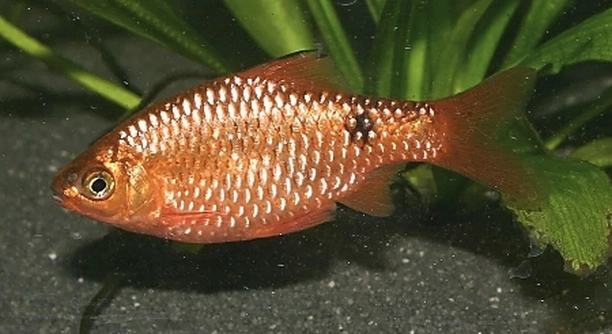
Do your rosy barbs dart away the moment you walk past their tank, leaving you wondering what caused the sudden movement?
Rosy barbs often flinch when people walk by due to sudden changes in light, shadow, or vibration. These environmental shifts can trigger their natural flight response, which helps them stay alert and avoid potential threats in their surroundings.
Their behavior may seem dramatic, but it’s a normal reaction for fish that are adjusting to a new space or responding to external activity.
What Triggers the Flinching Response
Rosy barbs are naturally sensitive to sudden changes in their environment. When someone walks by their tank, it can cause a shift in light or movement that the fish perceive as a possible threat. These changes activate their instincts, leading them to dart away or hide. In the wild, this behavior helps them survive by avoiding predators. Even in a home aquarium, those instincts remain strong. If the tank is in a high-traffic area, the repeated movement can keep them on edge. Fish with fewer hiding spots or those that have not fully adapted to their surroundings may show this behavior more often. New tank setups, frequent rearranging, or even bright lights can add to their stress. Over time, as they become more used to your presence and daily patterns, they may become less reactive. However, every fish is different, and some may stay more alert than others.
A startled rosy barb might not be showing fear alone—it could simply be reacting to its environment in the only way it knows.
Providing plants, caves, and shaded spots in the tank can help your fish feel secure. Reducing sudden movements near the tank and keeping lighting soft also makes a difference.
How to Help Them Feel More Comfortable
Even minor changes in a fish’s surroundings can cause ongoing stress if not addressed. Rosy barbs thrive in calm, consistent environments. If their tank is near a busy hallway or doorway, the constant motion can make it harder for them to relax. Try placing the tank in a quieter area with steady lighting and a backdrop to block fast-moving shadows. Add decorations like tall plants and driftwood to create shelter. These additions give the fish a sense of safety, reducing the need to react strongly to outside movement. It’s also helpful to develop a routine when feeding or cleaning the tank. Regular interaction in a predictable way helps the fish grow familiar with your presence. When they can anticipate what will happen next, they’re more likely to stay calm. Most importantly, give them time. Rosy barbs can become more relaxed once they realize there’s no real danger outside their tank.
Signs Your Rosy Barb Is Stressed
A stressed rosy barb may swim erratically, hide more often, or avoid food. You might also notice faded coloring or torn fins. These small changes are usually early indicators that something in their environment is not quite right.
Paying attention to how your rosy barb behaves from day to day can help you catch stress early. If they used to swim actively and now spend more time behind decorations or near the bottom, it’s a sign to check their setup. Noise, vibrations, or frequent disruptions can impact their sense of safety. Stress can also make fish more prone to illness, so acting quickly is important. Watch for subtle changes in behavior, especially after moving their tank or adding new fish. The sooner you respond to their discomfort, the easier it is to help them feel secure again.
Fish may not show stress in dramatic ways, but that doesn’t mean everything is fine. If your rosy barb’s colors start fading or they become overly skittish, these are signs that they’re not feeling comfortable. Monitor their eating habits too—loss of appetite can signal ongoing stress. These changes might not happen all at once, but they build up over time. Keeping a calm environment is key to preventing further issues.
Adjusting Your Routine Around the Tank
Sometimes it’s not the tank, but how often and how quickly you move near it. Walking too fast or reaching into the tank without warning can trigger a flinch response. Even things like loud music, sudden hand gestures, or turning on bright lights abruptly can keep the fish unsettled.
Being more mindful around the tank can make a big difference. Try to move slower when walking past and approach the tank from the front, not from above. Sudden overhead movement feels like a predator to your rosy barb. Keep your voice low when nearby and avoid tapping on the glass. Turning on the room light a few minutes before the tank light helps ease their transition. If feeding time is always rushed, slow down and let the fish come to the surface at their own pace. These small habits, done consistently, help build trust and keep their environment calm.
Tank Setup Matters More Than You Think
If your rosy barb has no place to hide, it will stay alert and on edge. Adding plants, caves, or other decorations gives them space to retreat and feel safe when startled. A peaceful setup helps reduce stress reactions.
Avoid placing the tank near loud speakers, doors, or windows. Sudden shadows and vibrations from outside traffic or weather can trigger skittish behavior. A quiet, stable spot with soft lighting makes the fish feel more secure.
Tank Mates Can Influence Behavior
Rosy barbs are schooling fish, and they do better in groups of at least five. Being alone or kept with overly aggressive tank mates can lead to stress, making them more likely to flinch or hide. Peaceful companions and enough swimming space keep them calm. Avoid mixing them with slower or long-finned fish, which can lead to nipping and tension. Watching how your rosy barb interacts with others can tell you a lot—chasing, hiding, or overly fast swimming are signs that something is off. A balanced group dynamic helps reduce fear-based behavior and encourages more natural movement and feeding.
What to Expect Over Time
Once settled and familiar with your routine, your rosy barb should flinch less. Consistency and a calm setup help them adjust and feel secure in their space.
FAQ
Why does my rosy barb flinch every time I walk past the tank?
Your rosy barb flinches when you walk by because it senses sudden movement, changes in light, or vibrations. These signals can feel like threats to the fish. Their instincts tell them to swim away quickly to avoid harm. This is a natural response and not a sign of misbehavior. If your tank is in a high-traffic area, it can lead to repeated flinching. Placing the tank somewhere quieter and with fewer disturbances can help your fish feel safer and react less.
Can rosy barbs get used to people walking by over time?
Yes, rosy barbs can become more comfortable with human activity near their tank. As they begin to recognize your presence and learn that you are not a threat, they may flinch less often. Routine helps. If you feed them at the same times each day and approach the tank calmly, your fish will associate you with safety. Over time, they might even swim toward you during feeding instead of hiding.
Is my tank lighting affecting their behavior?
Strong or flickering lights can startle your rosy barb. Sudden changes from darkness to bright light are especially stressful. Use a light timer to create a consistent day-night cycle. If possible, turn on the room light first, then the tank light, to ease the transition. Avoid placing the tank in direct sunlight, as the shifting shadows and glare can make your fish nervous. Soft, steady lighting is best.
Do rosy barbs need to be in a group to feel safe?
Yes, rosy barbs are schooling fish and feel much more secure when kept in a group of five or more. Being alone or with too few companions can increase their stress and lead to nervous behavior. In a proper group, they interact more naturally, swim more confidently, and are less likely to hide or flinch at small movements. Schooling also reduces the likelihood of aggression and boredom.
Could their tank mates be causing stress?
Tank mates play a big role in your rosy barb’s comfort. If they’re housed with aggressive or incompatible fish, they may feel threatened and flinch more often. Avoid keeping rosy barbs with long-finned or slow-moving species, as barbs can become fin nippers. Choose peaceful, fast-swimming fish that match their energy level. When the community is balanced, rosy barbs are more relaxed and less reactive.
How long does it take for rosy barbs to adjust to a new tank?
Most rosy barbs take about one to two weeks to begin adjusting to a new environment. During this time, it’s normal for them to be more alert, hide frequently, or flinch often. Avoid rearranging the tank or making loud movements nearby while they settle in. Once they feel comfortable and recognize the routine, they’ll start swimming more openly. Patience and consistency go a long way during this period.
Should I be worried if my rosy barb hides often?
Frequent hiding can be a sign of stress, but it doesn’t always mean something is wrong. If your tank setup is new or if you’ve recently added new fish, hiding is a normal response. However, if hiding continues for weeks or is paired with other signs like poor appetite, faded color, or clamped fins, it may indicate a bigger issue. Check the water quality, tank mates, and your daily habits around the tank to find possible stress triggers.
Is flinching harmful to the fish in the long run?
Occasional flinching isn’t harmful, but frequent or constant stress can weaken your rosy barb’s immune system. This makes them more prone to illness and poor growth. A stressed fish may also stop eating or become aggressive toward others. By reducing noise, adjusting lighting, and offering hiding spots, you help create a healthy space where flinching becomes rare. Stable water parameters and a peaceful environment are essential for their long-term health.
Final Thoughts
Rosy barbs are active and alert fish, and their flinching behavior is often tied to instinct. In the wild, quick movements or sudden changes around them can signal danger. Even though they live in tanks now, those same instincts remain. When people walk by, or when lights change too quickly, they may react by darting away or hiding. This is normal and not a sign that something is wrong with them. However, it can also be a sign that their environment is too stressful or lacks the things they need to feel secure. Small adjustments to their space and your daily habits can make a big difference in how relaxed they feel.
Giving your rosy barbs a calm, stable setup is one of the best ways to help them. This means placing the tank in a quiet spot, avoiding sudden movement or loud sounds near it, and keeping lighting soft and steady. Providing enough hiding spaces, plants, and swimming room allows them to feel more in control of their space. Keeping them in a group also helps lower stress, since rosy barbs are more confident when they are not alone. Over time, most fish become familiar with your routine and will react less when you pass by. A consistent environment helps them feel safe and settle in.
If you notice signs of stress that don’t go away, like hiding all the time, refusing food, or showing pale colors, it’s worth taking a closer look at what might be causing the discomfort. Check the water conditions, tank layout, and tank mates to make sure everything is working well together. Remember that each fish reacts differently, and some may take longer to adjust. Patience, observation, and a gentle routine can go a long way. While flinching might seem like a small thing, it gives you a helpful look into how your fish is feeling. Paying attention to these signs allows you to care for your rosy barbs in a way that supports their health and comfort. With the right setup and care, they can become less skittish and more confident in their space.

Hello,
If you enjoy the content that we create, please consider saying a "Thank You!" by leaving a tip.
Every little bit helps us continue crafting quality advice that supports the health, happiness, and well-being of pets around the world, for pets of all shapes, sizes, and species.
We really appreciate the kindness and support that you show us!