
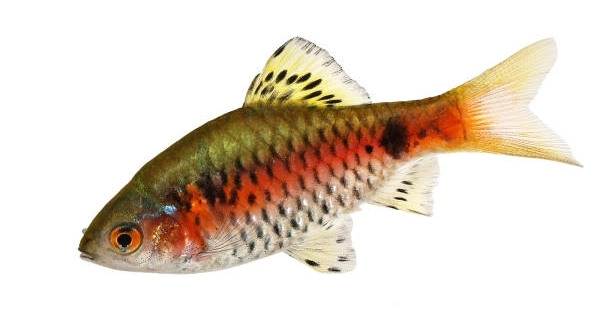
Have you ever watched your rosy barbs glide through the water and wondered what they get up to once the lights go out?
At night, rosy barbs typically become less active and seek out quiet, dimly lit areas within the tank to rest. While they do not sleep like humans, they enter a restful state where their movements slow significantly.
Understanding how your rosy barbs behave at night can help you create a calm, comfortable environment that supports their natural rhythms and overall health.
How Rosy Barbs Rest at Night
Rosy barbs do not sleep in the same way mammals do, but they do rest during the night. Their activity slows down, and they often hover in one spot or near the bottom of the tank. You may notice them drifting gently or finding a calm corner with low water movement. This resting period helps them conserve energy and maintain their health. Dim lighting or complete darkness helps signal this natural rest time. It’s important not to disturb them during these hours. Soft lighting in the room can help them ease into this restful state more comfortably.
A quiet, dim tank gives rosy barbs the calm space they need for their nightly rest.
Rosy barbs are light-sensitive, so changes in lighting patterns can affect their behavior. Too much light or sudden shifts can cause stress and make it harder for them to settle down at night. A consistent lighting schedule that mimics natural daylight is ideal. Using a timer can help regulate their day and night cycle. When the tank gets darker, they begin to wind down. This pattern keeps their internal clock stable and supports their immune system and overall energy. Avoid tapping the glass or making sudden movements after lights are off, as it can startle them from their rest.
Common Nighttime Behaviors
Rosy barbs slow down noticeably at night. They stop their usual chasing and schooling behavior and become still.
It’s common to see rosy barbs hovering in place, gently swaying with the water current. Some may hide among plants or behind decorations to feel secure. They avoid open spaces, especially if they sense movement outside the tank. While resting, their colors may fade slightly, which is normal and temporary. This reduced activity is part of their natural rhythm and doesn’t mean they are unwell. If one fish behaves unusually while the others rest, it’s worth checking water quality or looking for signs of stress. A healthy tank setup encourages peaceful nighttime behavior.
Rosy barbs are active swimmers during the day, but they rely on nighttime rest to balance their energy and maintain good health. Ensuring your tank provides hiding spots, gentle filtration, and a dark environment helps them follow their daily rhythm. Proper rest supports their behavior, appetite, and immune system. Watching them rest can also tell you if their environment is meeting their needs.
Nighttime Tank Setup Tips
A stable and quiet environment helps rosy barbs settle at night. Keep lighting consistent, reduce noise near the tank, and avoid late-night disturbances like tapping the glass or moving decorations after dark. Small changes can make a noticeable difference in their nighttime comfort.
Provide enough hiding spaces using plants, driftwood, or aquarium decorations. These areas give rosy barbs a sense of security, especially during rest. Avoid bright, direct lights in the room once their tank lights are off. Soft background lighting can help if you need to move around the room. Use a timer to control their day and night cycle—about 10 to 12 hours of light works best. Sudden changes in light can startle them, so transitions should be gradual. A consistent routine keeps them calm and encourages healthy behavior during both day and night.
Choose a gentle filter that won’t create strong currents. Rosy barbs prefer steady water flow during the day but need calmer areas at night. You can use sponge filters or place plants near the output to reduce flow. A quiet air pump also helps maintain a peaceful setting. If your tank is near loud TVs, speakers, or foot traffic, try to reduce those disturbances after lights out. Tanks placed in peaceful corners with minimal noise support better rest. Keep tank temperature stable overnight, as sudden drops may cause stress. A heater with a reliable thermostat prevents fluctuations. Small details in your setup can improve your rosy barbs’ nighttime experience.
Changes in Behavior to Watch For
If your rosy barbs seem restless at night or stay active long after lights are off, it might signal stress or discomfort. Unusual movement, fast swimming, or repeated bumping into tank sides should not be ignored.
Changes in nighttime behavior often point to an issue with the tank environment. Check the water parameters, especially ammonia and nitrite levels, which should always be at zero. A sudden shift in pH or temperature can also affect their rest. Make sure the tank has enough space, especially if you keep a group of barbs. Crowded tanks can lead to aggression or unrest. If their colors remain faded even during the day, or if they stop eating, it could be stress-related. Avoid overfeeding, as leftover food affects water quality and disrupts nighttime calm. Observing their evening habits helps you notice small problems early. Keeping a regular schedule and proper tank care supports better rest and behavior.
Do They Sleep with Their Eyes Open?
Rosy barbs do not have eyelids, so their eyes remain open even when they rest. This can make it hard to tell if they are asleep.
Their stillness, slower breathing, and preference for quiet corners are good signs they are resting, even if their eyes stay open.
How Light Affects Their Night
Excessive light can disrupt rosy barbs’ natural rest. They need darkness to calm down and enter a restful state. Leaving lights on too long confuses their internal rhythm, which may lead to stress or health problems. Use a timer to manage lighting. A consistent day-night schedule allows them to recognize when it’s time to slow down. Keep in mind that sudden exposure to light during their rest period can startle them, causing unnecessary movement and loss of energy. If you need to check on them at night, use dim light from a distance. Stable, predictable lighting helps support healthy behavior and balanced rest.
Signs of Healthy Night Rest
Calm hovering, faded colors, and no frantic swimming after lights go off are good signs your rosy barbs are resting well.
Do rosy barbs sleep like humans?
Rosy barbs do not sleep like humans because they lack eyelids and a true sleep cycle. Instead, they enter a restful state where their activity slows down, and they become less responsive to their surroundings. This resting period helps them conserve energy and maintain health but does not involve closing their eyes or deep sleep stages.
Why do rosy barbs keep their eyes open at night?
Since rosy barbs do not have eyelids, their eyes remain open at all times. This is normal for most fish species. Their open eyes do not mean they are alert or awake; they can still rest and reduce activity despite their eyes being open.
How can I tell if my rosy barbs are resting at night?
Signs of rest include reduced swimming, hovering in one place, less schooling behavior, and sometimes hiding among plants or decorations. Their colors might appear less vibrant, which is a natural part of their nightly rest. If they stop darting or chasing each other, it usually means they are resting.
Is it normal for rosy barbs to hide at night?
Yes, hiding at night is normal. It provides them a sense of security, especially in a new or stressful environment. They often choose quiet corners or dense plants to rest. Providing plenty of hiding spots in the tank supports this natural behavior.
Can too much light harm rosy barbs during their rest?
Excessive light can interfere with their natural resting patterns. Rosy barbs rely on a clear day-night cycle to regulate activity. Leaving lights on too long or turning them on suddenly during their rest can cause stress and disrupt their energy balance.
What is the best lighting schedule for rosy barbs?
A consistent schedule of about 10 to 12 hours of light and 12 to 14 hours of darkness works best. Using a timer helps maintain this pattern without sudden changes. This schedule mimics natural daylight and helps regulate their internal clock.
Do rosy barbs need hiding places to rest properly?
Yes, hiding places are important. Plants, rocks, or decorations give them spots to feel safe and reduce stress. Without these, they might feel exposed and become restless or anxious, which affects their rest and overall well-being.
How does water quality affect their nighttime behavior?
Poor water quality can cause stress and disrupt normal resting behavior. High ammonia, nitrite, or nitrate levels irritate their gills and skin, making it hard for them to rest. Maintaining clean water with regular testing and changes supports healthy behavior day and night.
Why do rosy barbs sometimes swim restlessly at night?
Restless swimming can indicate stress, discomfort, or health problems. It may be caused by poor water quality, sudden light changes, or overcrowding. It can also be a sign of illness. Observing these behaviors early helps in making timely adjustments.
Can tank noise disturb rosy barbs’ rest?
Yes, loud noises or vibrations near the tank can disturb rosy barbs. They are sensitive to environmental changes and may become startled by sudden sounds. Placing the tank in a quiet area and minimizing disturbances after dark helps maintain their calm.
Do rosy barbs require a different environment at night?
They benefit from calmer water flow and dimmer light during the night. Using gentle filtration and soft background lighting supports their rest. Avoid changing the tank setup or adding decorations after dark, as this can cause stress.
Is it okay to feed rosy barbs at night?
Feeding at night is not recommended. Rosy barbs are less active and may not eat well, which can lead to leftover food decomposing and affecting water quality. Feeding during the day when they are active supports their digestion and tank cleanliness.
How often should I check on my rosy barbs during the night?
It’s best to avoid frequent checks at night to prevent disturbing their rest. If you need to observe them, use dim light and move slowly. Limiting nighttime disturbances supports their natural rhythms and health.
What temperature is ideal for rosy barbs to rest?
Stable temperatures between 72°F and 78°F (22°C to 26°C) are best. Sudden drops or spikes can stress them and disrupt their rest. Using a reliable heater and thermometer helps keep the environment consistent.
Can rosy barbs get sick from poor nighttime rest?
Chronic stress from disturbed rest can weaken their immune system, making them more vulnerable to illness. Ensuring a calm, stable environment at night supports their health and longevity.
How long do rosy barbs typically rest at night?
They usually rest during the entire dark period, roughly 12 hours depending on the lighting schedule. During this time, their activity is minimal, helping them recover and prepare for daytime swimming and feeding.
What should I do if my rosy barbs never seem to rest?
Check water quality, lighting, tank size, and noise levels. Ensure they have hiding spots and a consistent day-night cycle. If problems persist, consider consulting a fish health expert or veterinarian.
Are rosy barbs more active in groups at night?
At night, rosy barbs generally reduce group activity and disperse to rest individually or in small clusters. Overcrowding can cause stress and restless behavior, so maintain appropriate tank size and population.
Can changing tank decorations affect nighttime rest?
Yes, rearranging decorations can stress rosy barbs, disrupting their rest patterns. Make changes during the day and allow time for adjustment before night. Stable environments encourage peaceful rest.
Do rosy barbs dream?
There is no evidence that fish, including rosy barbs, dream. Their brain functions differ from mammals, and their resting state is not the same as sleep involving dreaming.
Is it necessary to turn off aquarium equipment at night?
No, filters and heaters should run continuously to maintain water quality and temperature. Use equipment that operates quietly and gently to avoid disturbing their rest.
Rosy barbs have a natural rhythm that includes periods of rest during the night. While they do not sleep like humans, they do slow down and become less active, which helps them conserve energy and maintain good health. Their eyes remain open because they lack eyelids, but their stillness and calmer behavior show they are resting. Providing a stable, quiet environment with consistent lighting supports their ability to rest well. When the tank is dark and peaceful, rosy barbs can follow their natural cycle without unnecessary stress or disturbance.
Lighting plays an important role in helping rosy barbs rest properly. A regular day and night schedule with about 10 to 12 hours of light and a longer dark period helps them know when to be active and when to rest. Using a timer can keep this cycle consistent and prevent sudden changes that might startle them. Too much light or turning the lights on suddenly at night can disrupt their rest and cause stress. Along with lighting, the tank setup matters. Providing hiding spots, calm water flow, and a quiet location allows rosy barbs to feel safe and relaxed. These details improve their nighttime behavior and overall well-being.
It is also important to watch for changes in behavior that might indicate a problem. Restless swimming, loss of color, or unusual activity at night could be signs of stress or poor water conditions. Regular water testing and tank maintenance help keep their environment healthy. Avoid disturbing them at night by tapping the glass or moving decorations, as this can interfere with their rest. Ensuring the right temperature and reducing noise near the tank also contribute to a calm space for rosy barbs. Understanding their nighttime habits helps create a better home for them and supports their long-term health.

Hello,
If you enjoy the content that we create, please consider saying a "Thank You!" by leaving a tip.
Every little bit helps us continue crafting quality advice that supports the health, happiness, and well-being of pets around the world, for pets of all shapes, sizes, and species.
We really appreciate the kindness and support that you show us!