
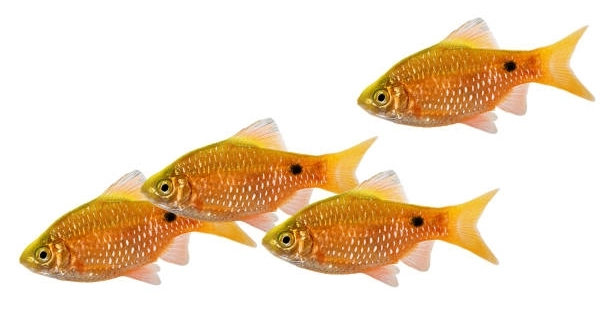
Calm and stressed barbs show noticeable differences in behavior and appearance. These differences can impact their health and interaction with other fish in an aquarium setting. Recognizing these signs helps provide better care for your barb.
The key differences between calm and stressed barbs lie in their coloration, activity level, and social behavior. Calm barbs display vibrant colors, swim actively, and interact well with others. In contrast, stressed barbs often appear dull, hide frequently, and may show erratic movements or aggression.
Knowing these distinctions can improve how you manage your aquarium and support your barbs’ wellbeing effectively.
Color and Physical Appearance
Calm barbs usually show bright, vibrant colors that stand out clearly in the aquarium. Their scales look smooth and shiny, and their fins are often fully extended. On the other hand, stressed barbs tend to lose their bright coloration, appearing dull or faded. You may notice clamped fins, which means their fins stay close to their bodies rather than spreading out. Stressed fish can also have small spots or damage on their scales from scratching or fighting. These physical signs are important to watch because they tell you how your barb is feeling. When a barb looks healthy and colorful, it is a good sign that its environment is suitable. If the colors fade or the fins are damaged, it could mean something is wrong, such as poor water quality or overcrowding.
Dull coloration and clamped fins are common signs that a barb is under stress or unwell.
Recognizing these changes early lets you adjust tank conditions to help your barbs recover. Improving water quality, reducing crowding, or adding hiding spots can make a big difference. Paying attention to color and appearance is an easy way to monitor your fish’s health daily.
Behavior and Activity Levels
Calm barbs are active swimmers. They move around the tank confidently, exploring and interacting with other fish. Stressed barbs tend to be less active or hide frequently. They may stay near the bottom or corners, avoiding open spaces. Sometimes stressed barbs show rapid or erratic swimming, which can be a sign of discomfort. In groups, calm barbs swim together smoothly, but stressed barbs may isolate themselves or act aggressively.
Activity level directly reflects a barb’s comfort in its environment. When they swim freely and interact, it shows they feel safe and healthy. Sudden changes in activity, like lethargy or frantic movement, are signals to check their surroundings. Factors like poor water conditions, lack of food, or incompatible tank mates can cause stress. Adjusting these conditions by cleaning the tank regularly, providing balanced nutrition, and choosing compatible fish can help maintain calm behavior. Keeping an eye on how your barbs move and interact will ensure they thrive in their home.
Social Interaction Patterns
Calm barbs tend to school well and show peaceful interactions with tank mates. Stressed barbs may isolate themselves or show aggression toward others.
Barbs naturally enjoy schooling, which helps reduce stress. When they feel secure, they swim together smoothly and share space without conflict. If a barb is stressed, it may avoid group swimming, staying hidden or apart from others. Aggression can also increase in stressed fish, causing fights or chasing. These behaviors suggest discomfort or poor tank conditions. Observing social patterns can help you notice stress early.
Creating an environment that encourages natural schooling behavior supports calmer barbs. Proper tank size, good water quality, and compatible species reduce tension. Adding plants or hiding spots gives stressed barbs places to feel safe. Paying attention to how your barbs interact can prevent problems and keep the community peaceful.
Feeding Habits
Calm barbs eat regularly and eagerly during feeding times. Stressed barbs may refuse food or show a lack of interest.
Changes in feeding habits can indicate a barb’s well-being. Calm barbs quickly respond to food and show enthusiasm while eating. When stressed, barbs might stop eating altogether or become picky. Loss of appetite often reflects underlying issues such as illness, poor water quality, or stress from overcrowding. It’s important to monitor their eating habits daily.
Ensuring a balanced diet with varied food types can improve feeding behavior. Regular feeding times and maintaining clean water help barbs stay healthy and calm. If a barb stops eating, check tank conditions and consider separating it if stress or disease is suspected. Addressing feeding issues early supports recovery and overall health.
Reaction to Environmental Changes
Calm barbs adapt smoothly to changes in their environment, like new decorations or slight water parameter shifts. Stressed barbs often react with hiding or erratic swimming when their surroundings change.
Barbs that handle changes well tend to be less stressed overall. Sudden or frequent changes can cause stress, leading to health problems.
Physical Health Signs
Stressed barbs may show signs like frayed fins, white spots, or rapid breathing. Calm barbs generally have clean, intact fins and steady breathing.
Observing physical health regularly helps catch problems early. Quick action can prevent illness from worsening.
Tank Conditions and Stress
Poor tank conditions often cause barb stress. Clean water, proper temperature, and enough space help keep barbs calm.
Maintaining good tank care is key to preventing stress-related issues.
FAQ
How can I tell if my barb is stressed?
Signs of stress in barbs include dull coloration, clamped fins, hiding often, and changes in swimming patterns. They may also lose interest in food or show aggressive behavior. Observing these behaviors regularly helps you catch stress early and make necessary changes to their environment.
What causes stress in barbs?
Common causes of stress include poor water quality, overcrowding, incompatible tank mates, sudden changes in environment, and inadequate hiding spaces. Stress can also arise from illness or improper diet. Addressing these issues promptly is essential for keeping your barbs healthy and calm.
Can stressed barbs recover?
Yes, stressed barbs can recover if their environment improves. Clean water, stable temperature, proper diet, and enough space for swimming and hiding can help reduce stress. Sometimes separating aggressive or sick fish helps the healing process.
How often should I check water quality?
Testing water parameters like ammonia, nitrites, nitrates, pH, and temperature should be done weekly. Keeping these factors stable and within recommended ranges prevents stress and illness. Regular water changes are also crucial.
Is overcrowding harmful to barbs?
Overcrowding causes competition for food and territory, leading to stress and aggression. It can also reduce water quality faster. Providing enough space based on the number and size of your barbs helps maintain calm behavior.
What kind of diet helps reduce stress?
A balanced diet with high-quality flakes, pellets, and occasional live or frozen foods supports health and reduces stress. Feeding small amounts multiple times a day prevents overfeeding and water pollution.
How do tank mates affect barb stress?
Barbs need compatible tank mates that are not overly aggressive or too passive. Aggressive species can stress barbs by constant chasing or fighting, while overly shy fish may not interact well. Choosing peaceful but active companions promotes a calm tank.
What environmental changes cause stress?
Sudden changes like moving the tank, adding new fish, or altering decorations can stress barbs. Gradual changes and providing hiding spots help fish adjust without anxiety.
Can lighting affect barb stress?
Yes, too bright or constant lighting may stress barbs. Providing natural light cycles with periods of darkness mimics their natural habitat and promotes calmness.
What role do hiding spots play in reducing stress?
Hiding spots like plants, rocks, or decorations give barbs places to retreat and feel safe. This reduces anxiety and aggression, especially when they feel threatened or during rest.
How important is tank maintenance for stress prevention?
Regular cleaning, water changes, and filter maintenance keep water quality high, preventing buildup of harmful substances. A clean tank is essential to reduce stress and keep barbs healthy.
Can stress cause disease in barbs?
Stress weakens a barb’s immune system, making them more susceptible to diseases like ich, fin rot, or fungal infections. Preventing stress helps avoid health problems.
Should I quarantine new fish to prevent stress?
Quarantining new fish before adding them to the main tank reduces the risk of introducing diseases or parasites, which can stress existing barbs. It also helps observe new fish behavior and health.
How can I calm a stressed barb quickly?
Improving water quality, reducing tank noise and disturbances, and adding plants or decorations for shelter can quickly help a stressed barb feel safer.
When should I seek professional help for a stressed barb?
If stress signs persist despite changes, or if the barb shows signs of serious illness like rapid breathing, severe fin damage, or loss of appetite, consult a vet or aquatic specialist for advice.
Final thoughts are important when understanding the differences between calm and stressed barbs. Recognizing the signs of stress early helps improve the care you provide. Barbs show stress in many ways, such as changes in color, behavior, and health. By paying close attention to these signs, you can make necessary adjustments to their environment to support their well-being. Taking care of barbs means keeping their tank clean, providing enough space, and making sure they have a balanced diet. These actions help maintain a peaceful environment where barbs can thrive.
It is also important to remember that barbs, like many fish, respond to their surroundings. Sudden changes or poor tank conditions can cause them to become stressed. This stress can lead to illness or even death if not addressed. Keeping water parameters stable and consistent is one of the best ways to avoid stress. Providing hiding spots and compatible tank mates helps create a safe and comfortable space for them. Watching how your barbs interact and behave gives valuable clues about their health and mood. If you notice changes, acting quickly can prevent bigger problems.
Ultimately, caring for barbs requires attention to detail and patience. Each barb may react differently to its environment, so learning about their habits and needs is key. The more you understand their behavior and health signals, the better you can support them. A calm barb is a happy barb, and a happy barb makes a healthy aquarium. Keeping your barbs calm means they will show their true colors and enjoy a good quality of life. This careful care makes the aquarium experience rewarding for both you and your fish.

Hello,
If you enjoy the content that we create, please consider saying a "Thank You!" by leaving a tip.
Every little bit helps us continue crafting quality advice that supports the health, happiness, and well-being of pets around the world, for pets of all shapes, sizes, and species.
We really appreciate the kindness and support that you show us!