
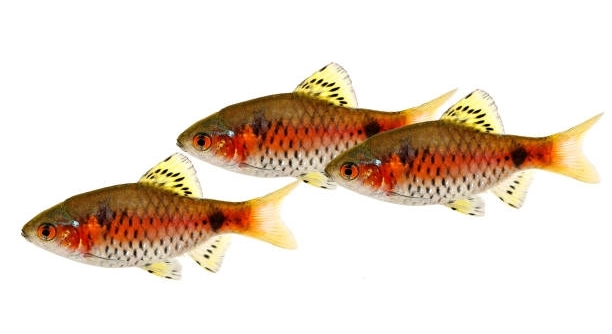
Rosy barbs are social fish that thrive best in groups. Their natural behavior depends on being with others of their kind. When separated from their group, their usual habits can change noticeably.
When rosy barbs lose their group, they often become stressed and show signs of anxiety. Isolation can lead to reduced activity, loss of color, and increased hiding behavior, negatively impacting their overall health and well-being.
Understanding what happens when these fish are alone helps keep them healthy and happy in any aquarium setting.
The Social Nature of Rosy Barbs
Rosy barbs are naturally social creatures that live in schools in the wild. Being part of a group helps them feel safe and secure. When they swim together, they reduce the risk of predators and feel less stressed. In an aquarium, this behavior continues. If kept alone, a rosy barb can feel lonely and anxious. Their normal swimming patterns may change, and they might hide more often. Without the company of other rosy barbs, their health can decline over time. They may eat less and become less active. This makes it harder for them to thrive in captivity. Providing a group of at least five or six rosy barbs is important to mimic their natural environment. This helps them show their bright colors and lively behavior. When they have companions, they stay more active and healthier overall.
In groups, rosy barbs also compete for food, which encourages natural foraging behavior and activity.
Keeping rosy barbs in groups creates a healthier, more vibrant tank environment where they can express their natural instincts.
Signs of Stress When Alone
Stress is common when rosy barbs lose their group. Without others, they may become shy or aggressive, which is not typical behavior. Stress lowers their immune system, making them more prone to disease. Some may stop eating or develop faded colors, which can be worrying. Over time, this stress can shorten their lifespan. Observing these changes early helps prevent serious health issues. Adjusting the tank setup to provide hiding places or gentle tank mates can sometimes ease their stress. However, the best way to avoid these problems is to keep rosy barbs in groups. When they are surrounded by others, their behavior is more natural and balanced, leading to better health and a happier fish.
Rosy barbs depend on their group for emotional and physical well-being.
How to Care for Rosy Barbs Without a Group
When a rosy barb must live alone, extra care is needed to support its health. Provide a calm, quiet environment with plenty of plants and hiding spots to reduce stress. Keep water quality high by doing regular water changes. Feeding smaller, frequent meals can encourage eating even if the fish feels uneasy. Watching their behavior closely helps catch any early signs of illness. Adding gentle tank mates, like small peaceful fish, might offer some company, but it won’t replace their own species. Patience is key, as some rosy barbs can adapt to solitude over time, but they will not thrive as well as those in groups. Creating a stable, low-stress habitat helps make up for the lack of social interaction and keeps the fish comfortable.
If keeping rosy barbs alone is unavoidable, consider these care tips carefully to help maintain their health.
Effects on Behavior
When rosy barbs lose their group, their behavior changes quickly. They may become less active and hide more often, showing signs of anxiety or depression. These shifts affect how they interact with their environment and other fish.
Reduced activity is common because the fish no longer feel safe swimming openly. Without a group, rosy barbs lose their natural schooling instinct, which normally offers protection. This can make them skittish or nervous, reacting strongly to movements or noises near the tank. They may also stop displaying their usual playful swimming patterns. Changes like these can affect their overall well-being, causing stress and sometimes aggressive behavior toward other fish.
Sometimes, solitary rosy barbs may overeat due to boredom or, on the opposite end, lose interest in food entirely. Both behaviors can lead to health problems. Monitoring their eating habits closely helps catch these issues early, allowing timely adjustments to diet or environment to support recovery.
Tank Environment Adjustments
Adjusting the tank environment helps reduce stress for solitary rosy barbs. Adding plenty of plants and hiding spots creates a sense of security. This encourages them to explore and feel less exposed.
Plants provide natural cover, which can simulate the feeling of being within a group. Structures like rocks or decorations offer places to retreat when the fish feels uneasy. Keeping water temperature and pH stable also supports calm behavior. Soft lighting can reduce sudden flashes or reflections that might startle a lone fish. These changes help the fish feel more comfortable, even without companions. A well-arranged tank reduces stress, encouraging healthier activity and better immune function.
Providing a peaceful setting mimics aspects of their natural habitat, making solitary life more manageable. This care is vital for maintaining their well-being over time.
Health Risks of Isolation
Isolation increases stress in rosy barbs, which weakens their immune system. This makes them more likely to catch illnesses or develop infections. Without a group, their natural defenses are lower.
Stress can cause physical symptoms like faded color, weight loss, or lethargy. These signs should never be ignored, as they indicate declining health.
Encouraging Social Behavior Again
Reintroducing rosy barbs to a group should be done slowly. Sudden changes can increase stress, so careful observation is needed. Start with adding one or two companions and watch their reactions closely. Ensure the tank has enough space and hiding spots to avoid territorial disputes. Over time, the fish usually regain their schooling behavior, becoming more active and colorful again. Patience during this process helps the fish adjust comfortably and return to healthier habits. Social interaction plays a key role in their overall well-being.
Alternatives to Grouping
If grouping is not possible, consider adding gentle tank mates to reduce loneliness. Peaceful species can provide some companionship without causing stress or aggression. This helps create a calmer environment and encourages natural behavior, though it does not fully replace their own kind.
FAQ
What happens if a rosy barb is kept alone for too long?
If a rosy barb is kept alone for an extended period, it often becomes stressed and inactive. Without its group, it can lose color and appetite, which affects overall health. Prolonged isolation weakens the immune system, making the fish prone to illness. Over time, loneliness can shorten its lifespan.
Can rosy barbs live without a group?
Rosy barbs can survive alone but they do not thrive. Their natural behavior depends on schooling, so living alone leads to stress and behavioral changes. With careful care—such as providing hiding places and a calm environment—a solitary rosy barb can stay healthy, but it’s not ideal for long-term well-being.
How many rosy barbs should be kept together?
A minimum of five to six rosy barbs is recommended to keep their social needs met. This number helps them feel safe and encourages natural schooling behavior. Smaller groups can cause stress and unusual behavior, while larger groups promote better health and activity.
What signs show that a rosy barb is stressed from losing its group?
Common signs include hiding, reduced swimming activity, loss of color, and decreased appetite. The fish may also become aggressive or overly shy. Stress can be seen in sudden changes in behavior and physical condition, such as clamped fins or rapid breathing.
Can other fish replace the social needs of rosy barbs?
Other peaceful fish can provide some company but won’t fully replace the social interaction rosy barbs get from their own kind. Tank mates may reduce loneliness but won’t encourage natural schooling. For best results, keeping rosy barbs with their species is important.
How can I help a solitary rosy barb feel less stressed?
Creating plenty of hiding spots and maintaining stable water conditions helps reduce stress. Soft lighting and regular feeding schedules also support a calm environment. Gentle tank mates can offer some social interaction, but the focus should be on comfort and safety.
Is it possible for a rosy barb to rejoin a group after isolation?
Yes, it is possible but should be done gradually. Introduce the fish slowly, starting with a few companions in a spacious tank. Monitor their behavior closely to avoid aggression. Given time, the fish usually readjust and regain natural social behaviors.
What health problems are caused by isolation stress?
Isolation stress weakens the immune system, making rosy barbs vulnerable to infections like ich, fin rot, or fungal diseases. Stress can also lead to poor appetite and weight loss, which worsen their condition. Prompt action is needed to prevent serious health issues.
Can a solitary rosy barb be happy in a tank without others?
While they may adapt, solitary rosy barbs generally do not reach their full potential in happiness or health. Their nature is social, so a lone fish may show signs of distress. Providing a well-structured tank helps, but companionship remains the best way to support their well-being.
What steps should I take if I need to keep only one rosy barb?
If keeping one rosy barb is necessary, focus on creating a peaceful environment with plants and hiding places. Keep water quality high through regular maintenance. Feed small, frequent meals and watch for changes in behavior or health. Adding peaceful tank mates may help, but ensure they are compatible and non-aggressive.
Rosy barbs are social fish that naturally live in groups, and this social behavior is important for their health and happiness. When separated from their group, rosy barbs often show signs of stress that affect their behavior and well-being. They may become less active, lose their bright colors, and hide more often. These changes are a clear indication that they are not comfortable being alone. While it is possible for a rosy barb to survive on its own, it will not thrive the way it does when it has companions. The presence of other rosy barbs helps reduce anxiety and encourages natural behaviors like schooling and active swimming, which are important for keeping them healthy.
Caring for a rosy barb that has lost its group requires extra attention to its environment and daily needs. Providing plenty of plants and hiding spots helps the fish feel safe, even without companions. Maintaining good water quality and a stable tank environment is essential to reduce stress. Feeding smaller, regular meals encourages eating when the fish might otherwise lose interest. Sometimes, adding gentle, peaceful tank mates can offer some company, but this does not replace the social interaction with other rosy barbs. Patience and careful observation are key to helping a solitary rosy barb adjust. Over time, some fish adapt better than others, but their natural preference remains to live in groups.
Overall, the best way to keep rosy barbs healthy and happy is by maintaining a group of at least five or six fish. This supports their social instincts and helps them stay active, colorful, and less prone to illness. If circumstances make it impossible to keep a group, creating a calm and enriched environment becomes very important. By understanding how losing their group affects rosy barbs, fishkeepers can take better steps to support their fish’s health and quality of life. Paying attention to their behavior and needs ensures these beautiful fish can live comfortably, whether alone or with companions.

Hello,
If you enjoy the content that we create, please consider saying a "Thank You!" by leaving a tip.
Every little bit helps us continue crafting quality advice that supports the health, happiness, and well-being of pets around the world, for pets of all shapes, sizes, and species.
We really appreciate the kindness and support that you show us!