
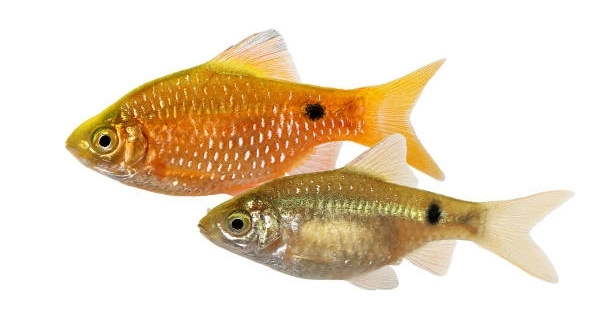
Rosy barbs are lively and colorful fish that brighten up any aquarium. Keeping them peaceful and healthy requires simple care and attention to their environment. This article shares easy tips to maintain a calm and happy rosy barb tank.
Creating a peaceful environment for rosy barbs involves proper tank size, suitable water conditions, compatible tank mates, and regular maintenance. Balanced nutrition and hiding spaces further reduce stress, promoting natural behavior and vibrant health in these active fish.
Following these straightforward steps will help your rosy barbs thrive peacefully while adding beauty to your home aquarium.
Choose the Right Tank Size
Rosy barbs are active swimmers that need plenty of space to move freely. A tank of at least 30 gallons is ideal for a small group. Overcrowding can cause stress and aggression among the fish, so providing enough room helps keep them calm. Make sure to arrange the tank with plants and open areas to balance their need for shelter and swimming space. Keeping the tank clean and well-filtered is also essential to maintain good water quality, which contributes to their peaceful behavior. Avoid placing the tank near loud noises or high-traffic areas to minimize disturbance.
Providing enough space encourages healthy activity and reduces conflicts, which leads to a more peaceful tank environment.
The right tank size combined with proper setup makes a noticeable difference in how rosy barbs behave and interact, creating a pleasant and calm aquarium.
Maintain Stable Water Conditions
Keeping the water parameters stable is crucial for rosy barbs to remain healthy and peaceful. They thrive in temperatures between 64°F and 72°F and prefer a pH level around 6.5 to 7.5. Sudden changes in temperature or water chemistry can cause stress and lead to aggressive behavior. Using a reliable heater and regularly testing water parameters helps prevent fluctuations. Performing partial water changes weekly removes waste and toxins, promoting a clean environment. Avoid overcrowding and overfeeding, as these can quickly degrade water quality. Consistent maintenance routines contribute greatly to the overall well-being of your fish. When the water is stable, rosy barbs are less likely to become stressed or aggressive, allowing their natural peaceful behavior to show.
Regular monitoring and care create a balanced habitat that supports healthy, calm fish over time.
Choose Compatible Tank Mates
Rosy barbs do best with other peaceful, similarly sized fish. Avoid aggressive or very small species that might be bullied or stressed.
Compatible tank mates include danios, mollies, and some tetras. These fish share similar water requirements and temperaments, which helps maintain harmony in the tank. Mixing species that enjoy swimming at different levels of the tank also reduces competition for space. Introducing tank mates slowly allows your rosy barbs to adjust without stress. Always observe interactions closely during the first weeks to ensure peaceful coexistence. Careful selection of companions supports a calm and balanced aquarium environment.
Providing the right mix of fish helps prevent territorial disputes and keeps your rosy barbs relaxed and active.
Provide Plenty of Hiding Spaces
Plants, rocks, and decorations offer shelter where rosy barbs can retreat if they feel threatened. These hiding spots reduce stress and aggression in the tank.
Live plants not only provide cover but also improve water quality by absorbing nitrates. Choose sturdy plants like java fern or anubias that can tolerate rosy barbs’ activity. Arranging decorations to create caves or shaded areas mimics their natural habitat and encourages natural behaviors. Well-planned hiding places allow shy or stressed fish to find refuge and calm down. Avoid overcrowding the tank with decorations, as rosy barbs need open swimming areas as well. Balancing open space and hiding spots contributes significantly to a peaceful tank atmosphere.
Feed a Balanced Diet
Providing varied and nutritious food keeps rosy barbs healthy and less aggressive. Avoid overfeeding to maintain water quality.
A balanced diet includes high-quality flakes, frozen or live foods like brine shrimp, and occasional vegetable matter. Feeding small amounts two to three times daily ensures they get proper nutrition without leftover waste.
Perform Regular Tank Maintenance
Cleaning the tank weekly and doing partial water changes prevents buildup of harmful substances. This keeps the environment safe and reduces stress for rosy barbs.
Avoid Overcrowding
Too many fish in one tank causes competition for resources and increases stress. Keeping the population moderate helps maintain calm behavior.
FAQ
How many rosy barbs should I keep in one tank?
Rosy barbs are schooling fish and do best in groups of at least six. Keeping fewer than six can cause stress and encourage aggressive behavior. A group of six or more helps them feel secure and reduces fighting. Always make sure your tank size is appropriate to accommodate this number comfortably.
What is the ideal water temperature for rosy barbs?
Rosy barbs thrive in water temperatures between 64°F and 72°F (18°C to 22°C). Maintaining a stable temperature within this range helps prevent stress and illness. Use a reliable aquarium heater and thermometer to monitor the water, especially if room temperatures fluctuate.
Can rosy barbs live with other fish species?
Yes, but choose peaceful and similarly sized fish. Avoid small fish that may be seen as prey or aggressive species that could bully your barbs. Good companions include danios, mollies, and certain tetras. Introducing new fish slowly helps maintain peace.
What should I feed rosy barbs?
A varied diet is best. High-quality flakes or pellets form the base, supplemented with frozen or live foods like brine shrimp or bloodworms. Occasionally add vegetable matter such as blanched spinach or zucchini. Feed small amounts two to three times daily to avoid overfeeding.
How often should I change the water?
Perform weekly partial water changes of about 20-25%. This removes waste and toxins that build up over time, keeping the environment healthy. Regular water changes prevent poor water quality, which can stress fish and cause health problems.
Why are my rosy barbs showing aggression?
Aggression usually results from overcrowding, lack of hiding spots, or incompatible tank mates. Ensuring enough space, adding plants or decorations for shelter, and choosing peaceful companions reduces aggressive behavior. Stress from poor water quality or sudden changes can also trigger fights.
What is the recommended tank size for rosy barbs?
A minimum of 30 gallons is recommended for a small group of rosy barbs. This provides enough room for swimming and helps keep water parameters stable. Larger tanks are better for bigger groups or if you plan to keep other fish species alongside them.
How can I reduce stress in my rosy barbs?
Stable water conditions, proper diet, enough space, and peaceful tank mates help reduce stress. Adding hiding places like plants and rocks gives them safe spots. Avoid sudden changes in water temperature or chemistry and keep noise and disturbances near the tank to a minimum.
Can rosy barbs live in cold water tanks?
They can tolerate cooler water better than many tropical fish but should not be exposed to temperatures below 60°F for long periods. Consistent temperatures within their preferred range are best to avoid stress and health issues.
How long do rosy barbs usually live?
With good care, rosy barbs typically live between 5 to 7 years. Proper tank conditions, nutrition, and avoiding stress factors are important for their longevity. Regular observation helps catch health issues early.
Do rosy barbs need a filter in their tank?
Yes, a filter is essential for maintaining clean water and stable conditions. It removes harmful toxins and provides oxygenation. Choose a filter appropriate for your tank size and perform regular maintenance to keep it working efficiently.
Is it necessary to provide lighting for rosy barbs?
Yes, lighting helps maintain the natural day-night cycle, supporting fish health and plant growth if you have live plants. Use moderate aquarium lighting and keep it on for about 8 to 10 hours daily to mimic natural conditions.
How often should I clean the tank decorations?
Clean decorations during regular tank maintenance, usually every few weeks or when you notice algae buildup. Use a soft brush and avoid harsh chemicals to protect your fish and beneficial bacteria. Rinse decorations well before putting them back.
What signs indicate that rosy barbs are stressed?
Signs include hiding excessively, loss of color, erratic swimming, or aggression. Stress may also cause poor appetite or disease susceptibility. Checking water parameters and tank conditions often helps identify the cause.
Can rosy barbs breed in a home aquarium?
Yes, they can breed under proper conditions. Provide a separate breeding tank with fine-leaved plants or spawning mops for egg laying. Maintain optimal water quality and temperature to encourage spawning. Remove adults after eggs are laid to protect the fry.
Are rosy barbs suitable for beginner fishkeepers?
They are generally considered good for beginners due to their hardiness and active behavior. However, they require proper tank size, water conditions, and care to stay healthy and peaceful. Learning about their needs beforehand ensures success.
Final Thoughts
Keeping a peaceful rosy barb tank is achievable with some basic care and attention. These fish are lively and colorful, but they need the right environment to stay calm and healthy. Providing enough space, stable water conditions, and suitable tank mates makes a big difference in their behavior. It is important to avoid overcrowding and maintain regular tank cleaning to ensure good water quality. When these needs are met, rosy barbs show natural, peaceful activity and become a pleasant addition to any aquarium.
A balanced diet also plays an important role in maintaining peace in the tank. Feeding rosy barbs small amounts of varied food helps keep them healthy without polluting the water. Overfeeding can cause waste buildup, leading to poor water quality and stress. Including live or frozen foods along with quality flakes adds necessary nutrients and keeps the fish interested in their meals. Alongside food, providing hiding spaces with plants and decorations gives the fish places to rest or escape if they feel threatened. This reduces aggression and helps maintain a calm atmosphere in the tank.
Patience and observation are key when caring for rosy barbs. Each tank is unique, and sometimes small adjustments are needed to keep the fish peaceful. Watching how they interact with each other and their environment helps identify any issues early. Regular water testing, cleaning, and careful selection of tank mates contribute to long-term success. With consistent care, rosy barbs can thrive and provide enjoyment through their vibrant colors and lively swimming. Keeping these simple tips in mind will create a peaceful home for your rosy barbs and a beautiful display for you.

Hello,
If you enjoy the content that we create, please consider saying a "Thank You!" by leaving a tip.
Every little bit helps us continue crafting quality advice that supports the health, happiness, and well-being of pets around the world, for pets of all shapes, sizes, and species.
We really appreciate the kindness and support that you show us!