
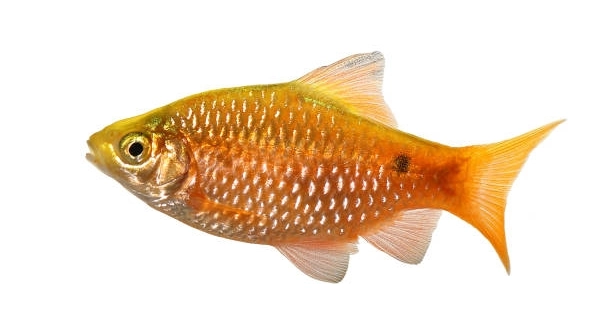
Have you ever noticed your fish reacting oddly around their reflection and wondered if they might actually recognize themselves in the glass?
Rosy barbs do not recognize their own reflection. Instead, they often perceive it as another fish, leading to displays of social or aggressive behavior. This reaction is common among many fish species that lack self-recognition capabilities.
Understanding this behavior helps explain some of their responses in aquariums and offers insight into how these colorful fish interact with their environment.
Why Rosy Barbs React to Their Reflection
When a rosy barb sees its reflection, it often thinks it’s seeing another fish. This usually leads to territorial or mating behaviors, like chasing, flaring fins, or swimming aggressively near the glass. These actions are not signs of self-awareness, but rather a response to what they assume is another fish in their space. This behavior is common in aquariums with clear surfaces. The lack of self-recognition is typical for many fish, especially those that have not passed the mirror test used in animal behavior studies. Rosy barbs, being social and sometimes aggressive, are naturally reactive to any movement or presence in their territory, even if it’s their own reflection. Observing this behavior helps us better understand how they perceive their environment and why it’s important to design their tank to reduce stress and confusion.
Not all fish behave the same way when faced with a mirror, but rosy barbs tend to be more reactive.
By mistaking their reflection for a rival, rosy barbs may swim against the glass repeatedly or become stressed if the “other fish” does not back away. This can affect their overall well-being, especially if the behavior becomes persistent. Long-term exposure to their reflection without the opportunity to resolve the perceived threat may lead to fatigue, changes in appetite, or even minor injuries if they bump into the glass repeatedly. For aquarium owners, it’s important to recognize these signs and make simple adjustments. Adding plants, adjusting the lighting, or placing opaque barriers around reflective surfaces can reduce visibility and limit these unnecessary responses. Keeping tank mates that match their temperament can also help divert attention. When rosy barbs are comfortable, they’re more likely to show their bright colors, stay active, and thrive in their surroundings without stress from mistaken identity.
Can Fish Recognize Themselves?
Fish rarely pass the mirror test, which is often used to measure self-awareness.
The mirror test involves placing a visible mark on an animal in a location it can only see with a mirror. If the animal recognizes the mark and tries to inspect or remove it, it may suggest self-recognition. Most fish, including rosy barbs, do not respond in this way. Instead, they react to their reflection as though it is another fish. A few exceptions, like certain cleaner wrasses, have shown limited signs of passing the test, but this remains debated among scientists. Self-awareness in fish is a complex and controversial topic, and recognition of reflections doesn’t necessarily mean they lack intelligence. Rosy barbs are capable of social interaction, learning, and memory, even if they don’t show self-recognition. Their reactions to reflections come from instinct, not identity. Understanding the limits of their perception helps us better care for them and make more informed choices when setting up their environment.
How Reflections Can Affect Tank Behavior
Rosy barbs may show increased aggression when they see their reflection too often. This behavior can disrupt tank harmony and stress out other fish. It’s often more noticeable in tanks with strong lighting and clear glass panels.
Constant exposure to reflections can cause rosy barbs to become fixated, swimming in one area or chasing the “intruder” they believe they see. Over time, this leads to repeated bumping into the glass, reduced interaction with other fish, and even loss of appetite. Stress hormones rise, making them more prone to illness. While some short-term interaction with reflections isn’t dangerous, continuous reactions can lower their quality of life. Observing their behavior during different times of the day can help identify whether the reflection is a regular stressor. Adjustments in the environment, such as shifting the tank’s position or changing light angles, often help reduce reflection exposure and improve behavior.
Creating a calming environment reduces reflection-based stress. Adding real plants, decorations, or driftwood can help break up direct lines of sight and reduce the chance of a reflection being seen. Opaque or frosted backgrounds also help mask reflective surfaces. If a rosy barb continues to act aggressively near the glass, you can tape a temporary cover over the area to block the reflection. Watching for signs like constant glass pacing or rapid fin movement will help you catch the behavior early. While not all rosy barbs are sensitive to reflections, many are—especially males during breeding seasons. Keeping a balanced and enriched tank environment helps your fish stay healthy, active, and focused on natural behaviors rather than reacting to their own image.
Tips to Minimize Reflection Stress
A few small adjustments to your tank setup can reduce reflection-triggered stress in rosy barbs. Even shifting a light source or moving decorations can make a big difference in how your fish behave day-to-day.
Start by checking how light hits the tank during different parts of the day. Sunlight from nearby windows or strong indoor lighting can create more visible reflections, especially on clean glass. Positioning the tank away from windows or using adjustable lighting can help control this. Adding plants or tall decorations near the sides of the tank blocks direct sightlines and limits glass interaction. You can also use dark backgrounds or cover parts of the tank that cause constant reactions. If needed, place the tank in a lower-traffic area to reduce stimulation. These changes are simple but effective in helping rosy barbs relax and focus more on their surroundings and less on the glass.
What to Watch For in Their Behavior
Rosy barbs that are stressed by reflections may show repeated swimming along the tank walls or sudden flaring of fins near the glass. These signs usually happen more around bright lighting or in tanks with limited visual breaks.
Other signs include loss of appetite, hiding more often, or becoming overly aggressive toward tank mates. These changes in behavior can be subtle at first but often build over time if the reflection issue isn’t resolved.
When Reflection Becomes a Bigger Problem
If a rosy barb’s interaction with its reflection becomes obsessive, it can lead to physical exhaustion or minor injuries from bumping the glass. Constant stress may suppress their immune system, leaving them more vulnerable to illness. Over time, this may affect their growth, color, and general health. Unlike temporary excitement caused by movement outside the tank, prolonged fixation on a reflection usually signals discomfort. Monitoring these behaviors helps you take action before it turns into a bigger problem. Catching the pattern early means you can make simple changes to the tank that allow your fish to settle and return to normal activity.
Simple Tools That Can Help
Try using static background sheets, floating plants, or side covers to block strong reflections. Even reducing room light or cleaning the glass less often can help ease overstimulation.
FAQ
Can rosy barbs see their reflection clearly?
Yes, rosy barbs can see their reflection clearly in aquarium glass or other reflective surfaces. Their vision is sharp enough to detect movement and shapes, but they do not understand that the image is their own reflection. Instead, they perceive it as another fish, which triggers social or territorial behavior.
Why do rosy barbs attack their reflection?
Rosy barbs attack their reflection because they mistake it for a rival fish invading their territory. This instinctual response helps them protect their space from potential threats. Since they do not recognize themselves, the reflection becomes a source of conflict rather than comfort.
Is it harmful for rosy barbs to see their reflection?
Repeated exposure to reflections can be stressful and potentially harmful. It may lead to increased aggression, stress, and even injury from bumping into the glass. Long-term stress can weaken their immune system, making them more prone to illness.
How can I stop my rosy barb from attacking its reflection?
To reduce aggression, try rearranging tank decorations or adding plants to break up the reflective surfaces. Adjusting lighting or covering part of the tank glass can also help. Reducing bright lights and placing the aquarium away from windows decreases reflections significantly.
Do all fish react to their reflection the same way?
No, not all fish react the same. Some species ignore their reflection, while others like rosy barbs may become aggressive or stressed. A few fish, like cleaner wrasses, have shown signs of self-recognition, but this is rare. Behavior varies widely between species.
Can reflections cause health problems for rosy barbs?
Yes, constant stress from reflections can weaken a rosy barb’s health. Stress raises cortisol levels, which suppress immune function, potentially causing illness. Persistent bumping against glass may also cause physical injuries, making it important to manage reflection exposure.
Will my rosy barb get used to its reflection over time?
Some fish may become less reactive as they grow or become accustomed to their environment. However, many rosy barbs continue to respond to reflections, especially during breeding seasons or when stressed. Monitoring behavior helps determine if changes are needed.
Are there benefits to having mirrors or reflective surfaces in a rosy barb tank?
Using mirrors briefly can stimulate activity or exercise in rosy barbs, but prolonged exposure is not recommended. Constant reflection causes stress rather than enrichment. It’s better to provide a natural, enriched environment with other fish and plants for healthy stimulation.
How can I tell if my rosy barb is stressed from reflections?
Signs include increased aggression, pacing near the glass, hiding, loss of appetite, and color fading. If these symptoms appear, it’s likely that reflections or other tank conditions are causing stress. Immediate tank adjustments often improve their condition.
Is it normal for rosy barbs to flare fins at their reflection?
Yes, fin flaring is a common aggressive display directed at perceived rivals. When rosy barbs see their reflection, they may flare fins to appear larger and warn off the “intruder.” This is natural but can be stressful if it happens constantly.
Can changing tank mates reduce reflection aggression?
Adding compatible tank mates can distract rosy barbs from their reflection, reducing aggression. Fish with similar temperaments or schooling species help create a balanced social environment. However, overcrowding or incompatible species can increase stress, so choose carefully.
What are the best tank decorations to reduce reflections?
Plants, driftwood, and textured backgrounds help break up reflective surfaces. Using dark or frosted backgrounds and placing decorations near tank glass reduces clear reflections. Avoid too much open glass space facing light sources for better stress control.
Does cleaning the tank glass increase reflections?
Yes, freshly cleaned glass can be more reflective due to its clarity. Limiting cleaning frequency or using non-reflective cleaning materials can reduce this effect. It’s important to balance cleanliness with reducing stress caused by reflections.
Are there natural behaviors that help rosy barbs cope with reflections?
Rosy barbs may attempt to establish dominance or ignore reflections over time, but these behaviors vary. Some may swim away or hide, while others persistently react. Providing a complex environment encourages natural behaviors and reduces fixation on reflections.
Can tank lighting affect how much fish see their reflection?
Yes, brighter lighting and direct light angles increase reflection visibility. Adjusting light placement, using dimmers, or indirect lighting softens reflections and reduces stress. Experimenting with lighting setups can improve fish comfort significantly.
Is it better to have a tank with non-reflective sides for rosy barbs?
Non-reflective sides help minimize unnecessary stress and aggression by limiting what fish see outside their environment. Matte or dark backgrounds prevent confusing reflections and promote a calmer tank atmosphere, especially for reactive species like rosy barbs.
Rosy barbs are lively and colorful fish that bring energy to any aquarium. Understanding their behavior around reflections helps create a better environment for them. Since they cannot recognize themselves, they often mistake their reflection for another fish. This can lead to aggressive displays or stress if the reflection is constant and unavoidable. Knowing this, it’s important to observe how your rosy barbs interact with the tank glass and make changes when needed. Small adjustments can have a big impact on their well-being.
Creating a tank setup that reduces strong reflections can help rosy barbs feel more comfortable and less threatened. Using plants, decorations, and non-reflective backgrounds breaks up their line of sight and lowers their chances of reacting to their own image. Adjusting lighting and tank placement also plays a key role in minimizing reflections. When fish are less stressed, they tend to show their natural colors and behavior, which makes caring for them more enjoyable. Taking the time to learn about how your fish see their environment supports their long-term health.
Overall, caring for rosy barbs involves more than feeding and cleaning. Paying attention to their behavior and the impact of their surroundings, like reflections, helps create a peaceful aquarium. When reflections are controlled, rosy barbs are less likely to experience stress or aggression, which benefits both the fish and the owner. A well-planned tank setup promotes a calm and healthy space where rosy barbs can thrive. This awareness and care ultimately lead to happier fish and a more pleasant aquarium experience.

Hello,
If you enjoy the content that we create, please consider saying a "Thank You!" by leaving a tip.
Every little bit helps us continue crafting quality advice that supports the health, happiness, and well-being of pets around the world, for pets of all shapes, sizes, and species.
We really appreciate the kindness and support that you show us!