
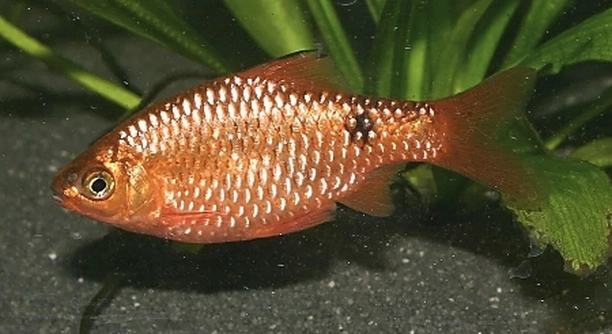
Have you ever noticed your Rosy Barbs acting differently and wondered if something subtle in their environment might be causing stress?
Minor shifts in water quality, tank decor, lighting, or social structure can trigger stress in Rosy Barbs. These changes may not seem significant to humans, but they can impact the behavior, health, and well-being of these sensitive fish.
Understanding how these changes affect them will help you create a calmer, healthier space for your Rosy Barbs to thrive.
Changes in Water Parameters
Rosy Barbs are very sensitive to water conditions. Even small changes in temperature, pH, or hardness can cause them stress. A slight drop in oxygen or an increase in ammonia can trigger hiding, fast swimming, or refusal to eat. These fish do best in stable water conditions with temperatures between 72°F and 82°F, and a neutral pH around 6.5 to 7.5. Weekly water testing helps spot early issues, and regular water changes keep the environment consistent. Unstable parameters can affect their immune system, making them more vulnerable to illness, so keeping the tank balanced is key.
A sudden change in temperature from a heater malfunction or cold water during a water change can make Rosy Barbs uneasy.
Make sure to match the temperature during water changes and always use a water conditioner. Investing in a reliable heater and thermometer can prevent harmful fluctuations and help your Rosy Barbs stay calm and active.
Rearranged Decor and Tank Layout
Moving plants, rocks, or decorations might not seem like a big deal, but Rosy Barbs notice and react to it.
Rosy Barbs create mental maps of their space. Sudden changes in their layout can cause confusion or insecurity. They may hide more, swim erratically, or become territorial. While occasional changes can offer enrichment, frequent rearrangements stress them out. If you want to improve the setup, do it gradually. Keep familiar items in place, introduce new decor one piece at a time, and observe their behavior closely. A tank that feels familiar gives them a sense of safety. Sticking to a stable layout with only minor adjustments every few weeks is a good way to strike balance.
Sudden Changes in Lighting
Bright or inconsistent lighting can stress Rosy Barbs, especially if the tank goes from darkness to full light too quickly. Sharp shifts in brightness can startle them, causing frantic swimming or hiding.
Keeping a consistent lighting schedule helps reduce their stress. Use a timer to mimic natural day and night cycles, ideally around 8 to 10 hours of light per day. If the tank is in a room with windows, block harsh sunlight with curtains to avoid sudden glare. When turning lights on or off manually, do it gradually by turning on a nearby room light first. This soft transition helps them adjust and prevents panic. Avoid using overly bright LEDs, especially without hiding spots. Dimmer, full-spectrum lighting with areas of shade creates a more peaceful space, encouraging natural behaviors. Stick to a routine, and your Rosy Barbs will feel more at ease.
Too much light also encourages algae growth, which can change the water quality. Poor water conditions from decaying algae or uneven plant health can stress the fish over time. Live plants can help balance this, offering shade and natural filtration. Make sure to clean algae regularly and choose plants that suit your lighting setup. Keep lights and algae under control to maintain stability.
Overstocked or Understocked Tanks
Both overcrowded and understocked tanks affect Rosy Barbs in different ways. When there are too many fish, competition rises and stress follows. Too few, and they feel insecure or become overly dominant.
Rosy Barbs are active and social, but they also need space. Keeping them in schools of at least five to six helps reduce aggression and boosts their comfort. A 30-gallon tank is ideal for a small group. If you add too many tankmates, territorial behavior increases, especially during feeding times. A crowded tank means more waste, which can cause rapid shifts in water quality. On the other hand, keeping only one or two can make them anxious or bored. You’ll notice them pacing or showing dull colors. Maintaining the right group size with enough room to swim is important. Balance is everything—too few or too many fish can make your Rosy Barbs feel unsafe or overwhelmed.
Noise and Vibrations Near the Tank
Loud sounds or constant vibrations from nearby TVs, speakers, or appliances can cause stress. Rosy Barbs are sensitive to sound waves traveling through the water and may react by darting, hiding, or refusing food.
Keep the tank away from high-traffic areas, washing machines, or loud electronics. A calm environment supports relaxed behavior.
Incompatible Tankmates
Rosy Barbs are active and sometimes nippy, but they don’t handle aggression from other fish well. If paired with fin-nippers, overly aggressive species, or fish that outcompete them for food, stress becomes a daily issue. This leads to injuries, poor appetite, and fading color. Peaceful, similarly sized fish are better companions.
Poor Feeding Routine
Irregular feeding or poor-quality food can impact energy and health. Rosy Barbs thrive on a mix of flakes, veggies, and protein. Feed small portions twice daily and avoid overfeeding.
FAQ
How do I know if my Rosy Barb is stressed?
Signs of stress include faded color, loss of appetite, hiding, darting around the tank, clamped fins, or staying near the surface or bottom. If you notice any of these behaviors, check your water parameters first. Make sure temperature, pH, and ammonia levels are in a safe range. Also, watch how your fish interacts with others. If it becomes overly aggressive or withdrawn, it could be reacting to social stress. Even subtle changes in lighting, noise, or tank layout can impact their comfort. It’s important to act early before stress weakens their immune system.
Can Rosy Barbs get sick from stress?
Yes, stress weakens their immune system, making them more likely to get sick. Common stress-related illnesses include fin rot, ich, and fungal infections. A stressed fish may also become more vulnerable to parasites. Stress doesn’t directly cause disease, but it creates the conditions where illnesses can take hold. Keeping water clean and maintaining a peaceful tank setup helps prevent these problems. Quarantining new fish, avoiding overcrowding, and offering a proper diet are also essential steps to keeping them healthy and stress-free over time.
How many Rosy Barbs should I keep together?
Rosy Barbs are schooling fish and feel safer in groups. A group of at least five is recommended. If kept in smaller numbers, they may become aggressive or shy. A well-sized group helps spread out any chasing or dominance behavior, keeping stress levels down. For a group of five or six, a 30-gallon tank gives them enough space to swim actively and establish a comfortable social dynamic. If you want to keep more, be sure to increase the tank size accordingly and avoid pairing them with slow or long-finned species.
Is it okay to rearrange my tank often?
Frequent rearrangement of tank decor can confuse Rosy Barbs. These fish memorize their surroundings and rely on consistent hiding spots and swimming paths. Sudden changes can lead to stress, making them act jumpy or hide more than usual. If you need to make changes, do it slowly and only one or two items at a time. Leave some familiar objects in place to help them adjust. Occasional minor updates can be enriching, but avoid complete overhauls too often, especially in a short period.
Do Rosy Barbs need live plants in the tank?
Live plants are not mandatory, but they can help reduce stress. Plants offer hiding spots, shade, and help keep the water balanced by absorbing excess nutrients. Rosy Barbs enjoy swimming through plants and using them as shelter. Java fern, hornwort, and anubias are good choices since they’re hardy and easy to care for. Avoid sharp-edged plants that might tear fins. While artificial plants work, live plants bring natural benefits that improve both the look of the tank and the fish’s comfort levels. They also break up sightlines, helping reduce tension between tankmates.
Can noise really affect fish behavior?
Yes, fish are sensitive to sound and vibration. What feels like background noise to us may feel intense underwater. Constant thumping from bass-heavy music, loud TV speakers, or even banging nearby can startle fish. They may hide more, become less active, or stop eating. Place the tank in a low-traffic area and avoid placing it on shared walls with loud rooms. If you live in a noisy environment, adding background noise like a gentle bubbler may help mask sudden loud sounds and create a more consistent environment for your Rosy Barbs.
How often should I feed Rosy Barbs to keep them healthy?
Feed Rosy Barbs twice a day with only what they can finish in two to three minutes. Overfeeding can lead to water quality issues, which then causes stress. Use a variety of high-quality flakes, some blanched vegetables like zucchini or spinach, and occasional protein like bloodworms or daphnia. A balanced diet keeps their immune system strong and energy levels up. Feeding at consistent times each day also creates a reliable routine, which helps them feel secure. Watch their behavior during feeding—healthy, stress-free fish will be active and eager to eat.
Final Thoughts
Keeping Rosy Barbs happy and stress-free comes down to consistency and attention to small details. These fish are active, social, and sensitive to changes that may not seem important at first. Even small shifts in lighting, water quality, or tank decor can make a big impact on their behavior. While they are hardy fish, they still rely on their environment staying stable. When things change too quickly or too often, they may become stressed. Watching them closely and learning what affects them helps you respond early and avoid larger problems.
A clean tank with steady water parameters, a proper group size, and compatible tankmates creates a solid foundation. Giving them enough room to swim and a familiar setup keeps them relaxed. Avoiding sudden noise, harsh lighting, and overcrowding are also important. Feed them on a regular schedule and offer a variety of foods for better nutrition. Small changes done slowly and thoughtfully can provide enrichment without causing stress. Rosy Barbs enjoy a well-balanced setup that feels safe, predictable, and clean.
Caring for Rosy Barbs doesn’t have to be complicated. Most of their stress can be prevented with a few simple habits—regular water testing, gentle maintenance, and observing how they act every day. If they seem less active, are hiding more often, or not eating, take the time to check for possible stress triggers. These signs are their way of communicating that something may be off. With a little patience and routine care, Rosy Barbs can thrive in your tank. Their bright colors, lively swimming, and social nature make them a joy to watch when they feel comfortable and secure.

Hello,
If you enjoy the content that we create, please consider saying a "Thank You!" by leaving a tip.
Every little bit helps us continue crafting quality advice that supports the health, happiness, and well-being of pets around the world, for pets of all shapes, sizes, and species.
We really appreciate the kindness and support that you show us!