
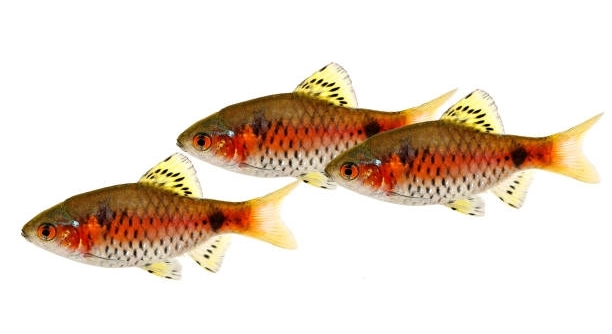
Rosy Barbs are popular aquarium fish known for their vibrant colors and active behavior. Keeping their tanks low-maintenance helps both beginners and experienced hobbyists enjoy their beauty without constant hassle. Proper care makes a big difference in tank health and fish happiness.
Maintaining a low-maintenance Rosy Barb tank involves regular water changes, balanced feeding, adequate filtration, and careful monitoring of water parameters. These steps prevent common issues and promote a stable environment that supports the fish’s wellbeing.
Following these simple tips will make caring for your Rosy Barbs easier and more enjoyable over time.
Choosing the Right Tank Size
Rosy Barbs are active swimmers and do best in tanks that give them plenty of space to move around. A minimum of 30 gallons is recommended for a small group of Rosy Barbs. This size helps reduce aggression, as these fish prefer living in schools of at least six. Larger tanks also allow for more stable water conditions, which means less frequent corrections to water quality. When the tank is big enough, it becomes easier to keep the environment clean and balanced. Avoid overcrowding because it can lead to stress and health problems for your fish. Including some plants and hiding spots adds comfort and helps them feel secure without requiring much extra maintenance. A properly sized tank with simple decor is a solid foundation for a low-maintenance Rosy Barb setup.
A larger tank reduces water quality swings and stress, making tank care simpler and more forgiving for keepers.
Taking time to pick a good tank size pays off by lowering daily upkeep and promoting healthier fish. Giving Rosy Barbs enough room supports natural behavior and longevity, which makes caring for them more rewarding and less demanding.
Regular Water Changes Keep Things Balanced
Regular water changes are crucial for keeping your Rosy Barb tank low-maintenance. Changing about 20-30% of the water every week helps remove waste and toxins before they build up. This keeps the water fresh and safe for your fish. Using a siphon to clean the gravel during water changes also removes leftover food and debris that can harm water quality. Avoid changing too much water at once, as sudden shifts can stress the fish. It’s important to use water conditioner to remove chlorine and chloramines from tap water. Keeping a steady schedule makes it easier to maintain a stable environment without surprise problems.
Routine water changes are a simple but effective way to maintain healthy water and reduce frequent tank issues.
Besides keeping water clear, regular changes also support beneficial bacteria that help break down waste. Over time, these bacteria create a natural balance in the tank’s ecosystem, reducing the need for heavy chemical treatments. Consistency in water changes keeps conditions stable, which lowers stress on Rosy Barbs and decreases the chance of disease. It also helps keep plants healthy and reduces algae growth, meaning less cleaning overall. Making water changes part of your weekly routine is a key step in achieving a low-maintenance tank that stays clean and clear with minimal effort.
Proper Filtration Matters
Good filtration keeps the tank water clean and oxygenated. It removes waste, excess food, and harmful chemicals, making the environment safer for Rosy Barbs. Choosing a filter rated for your tank size ensures it can handle the bioload efficiently without needing constant cleaning or adjustments.
A reliable filter prevents the buildup of ammonia and nitrites, which can be toxic to fish. It also helps circulate water, supporting healthy oxygen levels. Using a filter with mechanical, chemical, and biological filtration covers all bases. Mechanical filtration traps debris, chemical filtration removes impurities, and biological filtration supports beneficial bacteria that break down waste. This layered approach keeps water quality stable and reduces the frequency of water changes.
Maintaining your filter by cleaning it monthly, but not too thoroughly, preserves beneficial bacteria colonies. Avoid rinsing filter media with tap water to protect these helpful organisms. This care extends filter life and ensures your tank stays balanced without much extra effort.
Balanced Feeding Routine
Overfeeding is a common cause of poor water quality and extra tank maintenance. Feeding Rosy Barbs small amounts once or twice daily keeps them healthy without polluting the water. Uneaten food breaks down and creates waste, so controlling portions is key.
Using high-quality flakes or pellets designed for active tropical fish meets their nutritional needs. Supplement their diet occasionally with live or frozen foods like brine shrimp or daphnia to support vibrant colors and natural behavior. Varying the diet also prevents boredom and promotes overall health.
Monitor feeding habits and adjust the amount if leftover food remains after a few minutes. A balanced feeding routine reduces waste buildup, which means less cleaning and a healthier tank environment for your Rosy Barbs to thrive.
Maintaining Stable Water Temperature
Rosy Barbs thrive in temperatures between 74°F and 79°F. Keeping the tank within this range helps prevent stress and illness. Use a reliable heater with a thermostat to maintain consistent warmth, especially during cooler months.
Sudden temperature changes can shock your fish, leading to health problems. Avoid placing the tank near windows or vents where fluctuations are common.
Regular Tank Cleaning
Cleaning the tank walls and decorations regularly prevents algae buildup. Use an algae scraper or magnetic cleaner to keep surfaces clear without disturbing the fish or plants.
Consistent cleaning supports better water quality and a more attractive tank. It also reduces the chances of algae spreading to plants and hiding spots, keeping your tank balanced and healthy.
Monitoring Water Parameters
Regularly test water for pH, ammonia, nitrites, and nitrates. Rosy Barbs prefer a pH between 6.5 and 7.5, and low ammonia and nitrite levels. Keeping these in check prevents stress and disease.
Use simple test kits weekly to catch any changes early. This helps maintain a safe and stable environment for your fish.
Avoid Overcrowding
Too many fish in one tank increases waste and stress. Stick to about one inch of fish per gallon of water to keep the environment healthy.
Overcrowding makes maintenance harder and can lead to aggressive behavior in Rosy Barbs.
How often should I change the water in my Rosy Barb tank?
Water changes should be done weekly, replacing about 20-30% of the tank water each time. This helps remove waste and toxins before they build up. Smaller, regular water changes keep the water stable, which is better for the fish than large, infrequent changes. Always treat tap water with a conditioner to remove chlorine and chloramines before adding it to the tank. Consistency is key, so try to keep a schedule that fits your routine without letting the water quality decline.
What size tank do Rosy Barbs need?
Rosy Barbs need at least a 30-gallon tank for a small group of six or more fish. They are active swimmers and need space to move around. A larger tank helps reduce aggression, supports stable water conditions, and lowers maintenance needs. Avoid overcrowding because it stresses the fish and can lead to health problems. Adding some plants and hiding spots in the tank makes the environment more comfortable for them without adding extra work.
Can Rosy Barbs live with other fish?
Yes, Rosy Barbs are generally peaceful but can be fin nippers, especially if kept in small groups or overcrowded tanks. It’s best to keep them in schools of six or more to reduce aggression. They do well with other similarly sized, fast-moving fish that can handle their active nature. Avoid slow or long-finned fish that might be targets. Choose tank mates with similar water requirements to keep maintenance easy and stable.
What is the best diet for Rosy Barbs?
Feed Rosy Barbs high-quality flakes or pellets designed for tropical fish. Supplement their diet with live or frozen foods like brine shrimp, daphnia, or bloodworms to support bright colors and natural behavior. Feed small amounts once or twice daily, only what they can eat in a few minutes. Overfeeding leads to poor water quality and extra tank maintenance. Varying the diet keeps fish healthy and less likely to get bored.
How do I prevent algae growth in the tank?
Algae growth can be controlled by avoiding overfeeding and keeping the tank clean. Regular water changes and tank cleaning help remove excess nutrients algae need to grow. Limiting the amount of light the tank receives each day to 8-10 hours prevents algae from getting out of control. Live plants also compete with algae for nutrients, helping keep it in check naturally. Avoid direct sunlight on the tank to reduce algae blooms.
What temperature should I keep my Rosy Barb tank?
Maintain the tank temperature between 74°F and 79°F. Use a reliable heater with a thermostat to keep it steady. Sudden temperature changes cause stress and illness in Rosy Barbs. Avoid placing the tank near windows or vents where temperature can fluctuate. Monitoring the temperature daily or regularly helps catch problems early and keeps your fish comfortable.
How do I know if my Rosy Barbs are stressed or sick?
Signs of stress or illness include faded colors, clamped fins, erratic swimming, loss of appetite, and hiding more than usual. Watch for white spots, torn fins, or unusual growths. Maintaining good water quality, proper diet, and stable tank conditions helps prevent most health issues. If you notice any signs, test your water parameters first, and consider quarantine or treatment if needed.
How often should I clean my filter?
Clean your filter monthly, but avoid over-cleaning. Rinse filter media gently in tank water during water changes to protect beneficial bacteria. Thoroughly washing filter parts with tap water can kill these bacteria, which help break down waste. Keeping the filter running efficiently reduces maintenance by improving water quality and keeping the tank stable.
Can Rosy Barbs live without plants in their tank?
While Rosy Barbs can survive without live plants, having plants benefits both the fish and the tank environment. Plants provide hiding spots, reduce stress, and help absorb excess nutrients, which controls algae. Live plants improve water quality and add natural beauty without increasing maintenance if chosen wisely. Artificial plants are easier to clean but don’t offer the same benefits.
What should I do if my Rosy Barbs become aggressive?
Aggression often happens if Rosy Barbs are kept in too small a group or overcrowded tank. Ensure you have at least six Rosy Barbs to spread out any aggressive behavior. Providing hiding spots and sufficient swimming space reduces stress and competition. If aggression continues, check water quality and reduce stressors. In severe cases, separating aggressive fish temporarily may be necessary.
Keeping Rosy Barb tanks low-maintenance is all about creating a balanced and stable environment. When the tank is set up correctly, with the right size, good filtration, and stable water conditions, daily care becomes much easier. Rosy Barbs are lively and colorful fish that bring life to any aquarium, but they do need proper attention to thrive. Simple routines like regular water changes, feeding in moderation, and monitoring water parameters help prevent most problems. Taking these steps ensures the fish stay healthy and the tank remains clean with less effort.
A key part of maintaining a low-maintenance Rosy Barb tank is consistency. Regular tasks done on schedule, such as cleaning the filter gently and checking water quality, make a big difference over time. These small habits keep the aquarium balanced and reduce surprises like algae blooms or sudden illnesses. When the environment stays stable, Rosy Barbs show their best colors and natural behavior. It’s important to avoid overcrowding and provide enough space for swimming, which lowers stress and aggression. Adding plants, either live or artificial, also helps maintain a comfortable habitat without much extra work.
In the end, keeping Rosy Barb tanks simple doesn’t mean ignoring their needs. It means understanding what they require and making care straightforward. By focusing on stable water, proper feeding, and a clean environment, you can enjoy your fish while spending less time on complicated maintenance. These steps create a healthy home where Rosy Barbs can thrive for years. The effort put into these basics pays off with a beautiful, peaceful tank that is rewarding to care for.

Hello,
If you enjoy the content that we create, please consider saying a "Thank You!" by leaving a tip.
Every little bit helps us continue crafting quality advice that supports the health, happiness, and well-being of pets around the world, for pets of all shapes, sizes, and species.
We really appreciate the kindness and support that you show us!