
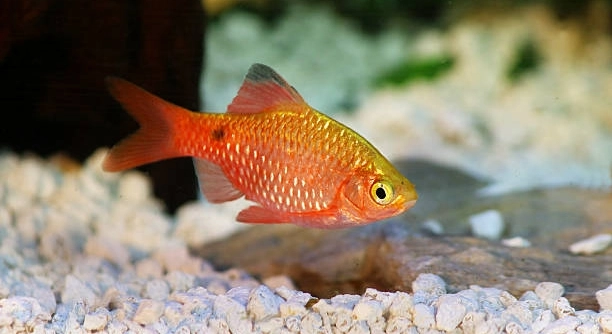
Rosy barbs are popular freshwater fish often kept in home aquariums for their vibrant colors and lively behavior. Their activity patterns are important to understand for maintaining a healthy and balanced tank environment. Observing their normal daily routines can help owners provide better care.
Rosy barbs typically show increased activity during daylight hours, swimming actively and exploring their surroundings. They rest or become less active during the night, following a natural day-night cycle. Their behavior reflects their need for stimulation, feeding, and social interaction within the group.
Knowing the typical activity patterns of rosy barbs helps create a suitable habitat and improves their overall well-being in captivity.
Typical Daily Activity of Rosy Barbs
Rosy barbs are active swimmers who spend much of their day moving around the tank. They prefer to swim in groups, which keeps them feeling secure and motivated to explore. During the day, they swim near the middle and top levels of the aquarium, searching for food or interacting with tank mates. Their energy levels can vary depending on the time of day and the environment, such as light and temperature. In a well-maintained tank, rosy barbs tend to be more lively, showing quick bursts of movement followed by moments of calm swimming. Watching their normal behavior can help spot any signs of stress or illness early. If they are hiding too much or swimming sluggishly, it may indicate that something is off in their environment or health. Proper lighting and a regular feeding schedule support their natural activity rhythms well.
Their daily routine is influenced by light cycles and water conditions in the tank, which are key to keeping them healthy.
Understanding the normal activity helps identify when changes occur, making it easier to adjust care and environment. Proper tank setup with plants and open swimming spaces encourages natural behavior, keeping rosy barbs comfortable and active.
Factors Affecting Activity Levels
Activity levels can drop due to stress or illness in rosy barbs.
Changes in water temperature, poor water quality, or aggressive tank mates can reduce their movement. When stressed, rosy barbs may hide more and stop eating regularly. Lighting that is too bright or too dim can also affect their activity, as they prefer moderate light. Providing a stable environment with clean water and calm companions encourages normal behavior. Regularly checking water parameters and maintaining a consistent feeding schedule helps keep rosy barbs lively. Observing their swimming patterns and social interactions will reveal if they feel comfortable. Adjusting tank conditions quickly can prevent long-term health issues and restore their usual active nature.
Social Behavior and Activity
Rosy barbs are social fish that thrive in groups of five or more. Their activity level increases when they feel safe among companions, encouraging natural swimming and interaction.
In groups, rosy barbs display schooling behavior, swimming closely together and moving in sync. This behavior helps reduce stress and keeps them active. When kept alone or in too small a group, they may become shy or inactive. Their social nature also influences feeding time, as they compete gently for food, which stimulates activity. Providing hiding spots and plants encourages natural exploration and reduces aggressive behavior, allowing for a balanced, peaceful tank environment.
Watching how rosy barbs interact helps owners detect signs of discomfort or illness. When healthy and comfortable, they swim energetically and explore all tank levels. Lack of social interaction or signs of aggression can lead to stress and lower activity, so maintaining a suitable group size is crucial for their well-being.
Impact of Tank Environment on Activity
Tank size and decoration strongly affect rosy barb activity levels. Smaller or overcrowded tanks limit swimming space and reduce movement.
A spacious tank with proper filtration provides clean water, which promotes health and activity. Decorations such as plants, rocks, and hiding spots create an interesting environment that encourages exploration. Bright lighting balanced with shaded areas allows barbs to adjust their activity throughout the day naturally. Avoiding sharp decorations is important to prevent injury, as rosy barbs are active swimmers. Regular tank maintenance, including water changes and monitoring water quality, also supports consistent activity levels. A well-set environment mimics their natural habitat, helping them stay energetic and stress-free. Careful tank planning ensures rosy barbs have room to swim and socialize comfortably.
Feeding and Activity Levels
Rosy barbs become more active around feeding times. They swim eagerly when they sense food nearby.
Regular feeding schedules keep their energy steady throughout the day. Overfeeding can cause sluggishness, so it’s important to offer balanced portions.
Signs of Abnormal Activity
Reduced movement, hiding constantly, or erratic swimming may indicate health problems or stress. These behaviors need quick attention to prevent further issues.
Nighttime Behavior
Rosy barbs usually rest or move very little at night, conserving energy for the next day.
Light and Activity Patterns
Proper lighting helps regulate their activity, mimicking natural day-night cycles and supporting healthy behavior.
How much space do rosy barbs need to stay active?
Rosy barbs need enough space to swim freely and stay healthy. A tank size of at least 20 gallons is recommended for a small group. This gives them room to school and move around without feeling cramped. Overcrowding can cause stress and reduce their activity levels.
What kind of tank mates work best with rosy barbs?
Rosy barbs do best with peaceful fish that share similar activity patterns. Avoid very slow or shy species because rosy barbs are active and sometimes nippy. Good tank mates include other barbs, danios, or certain tetras. Proper group size and compatible companions help keep them lively and social.
How often should rosy barbs be fed to maintain normal activity?
Feeding rosy barbs once or twice a day works well. Offering small amounts prevents leftover food, which can pollute the tank and harm water quality. Balanced nutrition supports their energy and activity levels. Variety in their diet, including flakes, pellets, and occasional live or frozen foods, keeps them healthy.
What signs show that rosy barbs are stressed or sick?
Unusual hiding, loss of appetite, or slow swimming can signal stress or illness. Look for physical signs like faded colors, clamped fins, or spots on their body. Early detection is important, so adjust tank conditions or seek advice if these behaviors appear.
Do rosy barbs need special lighting to stay active?
Moderate lighting that mimics natural day and night cycles helps regulate their activity. Too much light can stress them, while too little can make them sluggish. A regular light schedule of about 10-12 hours daily keeps their rhythms steady and encourages natural behavior.
How do water temperature and quality affect their activity?
Rosy barbs are most active in water between 64-72°F (18-22°C). Water that is too warm or cold can slow them down or cause stress. Clean water with proper filtration and regular changes is essential. Poor water quality leads to lethargy and health problems.
Is it normal for rosy barbs to be less active sometimes?
Yes, they may rest or slow down after feeding or during nighttime. Temporary inactivity is natural and part of their daily cycle. However, prolonged inactivity or hiding could mean something is wrong with their environment or health.
Can rosy barbs live alone, and how does that affect their activity?
Rosy barbs are social fish and usually become stressed when kept alone. Without a group, they may hide or swim less, showing reduced activity. Keeping them in groups of five or more helps them feel safe and behave naturally.
How do plants and decorations influence rosy barb behavior?
Live plants and decorations provide hiding spots and break up swimming areas, reducing stress and encouraging exploration. They help simulate a natural habitat, which supports healthy activity. Avoid overcrowding the tank with decorations to keep swimming space open.
What can be done if rosy barbs show signs of unusual activity?
Check water parameters and tank conditions first. Adjust temperature, lighting, or tank mates if needed. Quarantine any sick fish and consider consulting a vet or aquarium expert. Early intervention can restore normal activity and prevent serious problems.
Rosy barbs are lively and social fish that show clear patterns of activity throughout the day. Understanding their normal behavior helps in providing the right care and environment for them to thrive. They tend to be most active during daylight hours, swimming energetically and interacting with other fish. This activity supports their health and happiness, making it important to maintain conditions that encourage natural movement and social behavior. Watching their daily routines can give important clues about their well-being and whether any adjustments are needed in their care.
The environment plays a major role in how active rosy barbs are. A properly sized tank with clean water, balanced lighting, and enough plants or decorations makes a big difference. These fish need space to swim freely and areas to explore or hide when they want to feel safe. Water quality, temperature, and suitable tank mates all affect their energy levels as well. Keeping these factors stable helps avoid stress and keeps rosy barbs lively. Feeding them the right amount and variety of food also supports their activity and overall health.
Paying attention to the normal activity patterns of rosy barbs allows you to quickly notice when something is wrong. Changes in their swimming, feeding, or social behavior can signal stress or illness. When this happens, reviewing tank conditions or seeking help can prevent bigger problems. By providing a consistent, comfortable environment and meeting their basic needs, rosy barbs will show their natural, energetic selves. This leads to a happier tank and a more rewarding experience for those caring for them.

Hello,
If you enjoy the content that we create, please consider saying a "Thank You!" by leaving a tip.
Every little bit helps us continue crafting quality advice that supports the health, happiness, and well-being of pets around the world, for pets of all shapes, sizes, and species.
We really appreciate the kindness and support that you show us!