
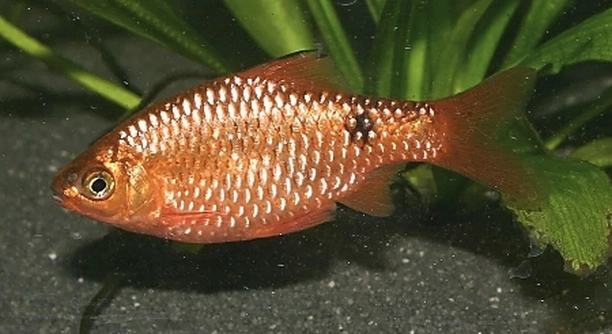
Rosy barbs are popular freshwater fish known for their bright colors and lively nature. Many fishkeepers enjoy watching them breed in home aquariums. Successfully triggering breeding can be rewarding and adds to the aquarium’s life cycle.
Triggering breeding in rosy barbs involves creating ideal conditions, such as maintaining proper water temperature, providing nutritious food, simulating natural light cycles, and offering suitable spawning sites. These factors collectively encourage spawning behavior and increase the chances of successful reproduction.
Understanding the key steps to encourage breeding will help you create a healthy environment for your rosy barbs. This article will guide you through practical methods to support their natural breeding instincts.
Maintain Optimal Water Temperature
Keeping the water temperature between 72°F and 79°F is crucial for rosy barbs to feel comfortable and ready to breed. Temperatures outside this range can stress the fish and delay spawning. Gradually raising the temperature by a degree or two can help trigger breeding behaviors. Avoid sudden temperature changes, as this may shock the fish. Using a reliable heater and thermometer will help maintain steady conditions. Besides temperature, keeping the water clean with regular changes encourages healthy fish. Soft, slightly acidic to neutral water is best, so test the water parameters often. Clear water signals a healthy environment, which supports the fish’s natural reproductive cycle. Watching the fish get more active and pair up is a sign that the temperature and environment are right.
Stable water temperature supports breeding readiness and overall fish health. Consistent warmth helps trigger natural spawning instincts without causing stress.
Taking care of water temperature creates a stable environment for your rosy barbs. It also helps prevent diseases, making the whole aquarium a better place for fish to thrive and reproduce naturally.
Provide Nutritious Food
Feeding rosy barbs a varied diet rich in protein helps prepare them for breeding. High-quality live foods like brine shrimp or bloodworms increase their energy and improve egg quality. It’s important to feed small amounts several times a day rather than overfeeding at once. This keeps the fish healthy and reduces water pollution. Including some vegetable matter, like spirulina flakes, balances their diet. When barbs receive proper nutrition, they become more vibrant and active, showing stronger breeding behaviors. Changing their diet a week before breeding attempts can give them the boost needed to trigger spawning. Remember to remove uneaten food to keep water conditions good.
A balanced diet full of protein and vitamins encourages reproductive health and active breeding.
Changing feeding habits before breeding can make a big difference. It fuels the fish’s energy and helps improve the quality of their offspring, setting the stage for successful spawning.
Simulate Natural Light Cycles
Consistent light and dark periods help regulate rosy barbs’ breeding habits. Providing about 12 to 14 hours of light daily mimics their natural environment and encourages spawning.
Using a timer for your aquarium lights keeps the schedule steady, avoiding sudden changes that can stress the fish. Gradual increases and decreases in light intensity during morning and evening hours help simulate sunrise and sunset. This gentle change supports natural behavior. Avoid bright, direct light, which can make barbs shy and less likely to breed. Proper lighting also supports plant growth, creating hiding spots for fry and making the tank feel more natural.
Maintaining a routine with light exposure helps synchronize the fish’s internal clocks. This encourages hormonal changes necessary for breeding, improving the chances of successful spawning.
Provide Suitable Spawning Sites
Rosy barbs prefer dense plants or spawning mops where they can lay eggs safely. These sites protect eggs from being eaten by other fish and offer a secure place for fry to grow.
Adding fine-leaved plants like hornwort or spawning brushes creates the perfect environment for egg laying. Position these plants in quiet areas of the tank where the fish can feel safe. The presence of these sites reduces stress and encourages natural behavior. It’s important to remove or separate adult fish after spawning, as they may eat the eggs. Using breeding traps or nets around plants can also protect the eggs until they hatch.
Creating and maintaining ideal spawning spots increases egg survival rates. It supports natural behavior and helps ensure more fry make it to the next stage.
Increase Oxygen Levels
Higher oxygen levels in the water encourage rosy barbs to spawn. Using an air stone or adding plants that release oxygen helps keep the water well-aerated.
Good oxygenation supports fish metabolism and reduces stress. This creates a healthier environment that promotes breeding activity naturally.
Perform Frequent Water Changes
Regular water changes improve water quality by removing waste and toxins. Changing 25-30% of the water weekly helps keep conditions stable and clean for breeding.
Consistent water changes mimic natural rain cycles, which can trigger spawning. Clean water reduces the risk of disease and encourages fish to be more active and ready to reproduce.
Separate Males and Females Before Breeding
Separating males and females for a few weeks before introducing them encourages stronger breeding behavior. This builds anticipation and increases spawning chances.
Rosy barbs tend to show better courtship after being apart. Keeping them in separate tanks or divided sections lets them rest and grow healthier before pairing them for breeding.
Maintain Proper Tank Size
A tank that is too small can stress the fish and reduce breeding success. A minimum of 20 gallons is ideal for a small group of rosy barbs.
FAQ
How long does it take for rosy barbs to breed?
Rosy barbs usually start breeding within a few days to a week after conditions are right. Once the water temperature, light cycle, and diet are adjusted properly, you may see spawning behavior quickly. The actual spawning process itself often lasts just a few hours.
Can rosy barbs breed in a community tank?
Yes, they can breed in a community tank, but it’s not ideal. Other fish may eat the eggs or fry, reducing survival rates. If you want more fry to survive, it’s better to breed them in a separate tank or use breeding traps to protect the eggs.
How many eggs do rosy barbs lay at once?
A female rosy barb can lay anywhere from 100 to 300 eggs during a single spawning session. The exact number depends on her age, health, and the conditions of the tank. More eggs don’t always mean more surviving fry, so protection after spawning is important.
Do rosy barbs care for their eggs or fry?
No, rosy barbs don’t care for their eggs or fry. They often eat the eggs if given a chance, which is why separating adults from eggs or fry is important. Using dense plants or spawning mops can help hide eggs from adults.
What is the best diet to prepare rosy barbs for breeding?
A protein-rich diet is best for breeding rosy barbs. Live or frozen foods like brine shrimp, bloodworms, and daphnia provide the nutrients needed. Supplementing with high-quality flakes or pellets and some vegetable matter balances their nutrition.
How often should I feed rosy barbs before breeding?
Feeding small amounts two to three times daily helps keep them healthy and ready for spawning. Avoid overfeeding, as excess food can pollute the water and stress the fish.
What water parameters are ideal for breeding rosy barbs?
The water should be soft to moderately hard, with a pH around 6.5 to 7.5. Temperature between 72°F and 79°F encourages spawning. Keeping water clean with regular changes is just as important as maintaining the right parameters.
Can I trigger breeding by changing water temperature suddenly?
Sudden temperature changes can stress fish rather than help breeding. It’s better to raise or lower the temperature gradually by 1 to 2 degrees to mimic natural seasonal changes, which encourages spawning without harm.
How do I know if rosy barbs are ready to spawn?
Males become more colorful, and both sexes may swim closely together or chase each other gently. Females may appear fuller in the belly as eggs develop. Increased activity and interest in plants or spawning sites also indicate readiness.
How long does it take for rosy barb eggs to hatch?
Eggs usually hatch in 24 to 36 hours after being laid. Temperature affects the timing, with warmer water speeding up development. Once hatched, fry need gentle care and suitable food to survive and grow.
Final Thoughts
Breeding rosy barbs can be a rewarding experience when the right conditions are met. These fish respond well to stable environments where water temperature, cleanliness, and lighting are carefully maintained. Paying attention to small details like feeding a nutritious diet and providing good spawning sites can make a big difference. It’s important to be patient and consistent with these efforts. Breeding is a natural process that takes time and care, but when done correctly, it leads to healthy fry and a thriving aquarium.
Creating a balanced environment means more than just focusing on one factor. Water quality is key and should never be overlooked. Regular water changes and monitoring parameters such as pH and hardness help keep the tank safe for breeding fish. The right temperature and light cycles mimic the fish’s natural habitat, encouraging them to spawn naturally. Providing plenty of hiding spots through plants or spawning mops protects the eggs and fry from being eaten. These small adjustments work together to support the whole breeding process.
Lastly, understanding the behavior of rosy barbs can improve your success. Watching for signs like changes in color and activity can help you know when they are ready to breed. Separating males and females before introducing them can boost breeding chances. Protecting eggs and fry after spawning ensures a better survival rate. While breeding rosy barbs takes some effort, it is an enjoyable way to learn more about your fish and see new life in your aquarium. Following these steps will help create a healthy environment where your rosy barbs can reproduce successfully.

Hello,
If you enjoy the content that we create, please consider saying a "Thank You!" by leaving a tip.
Every little bit helps us continue crafting quality advice that supports the health, happiness, and well-being of pets around the world, for pets of all shapes, sizes, and species.
We really appreciate the kindness and support that you show us!