
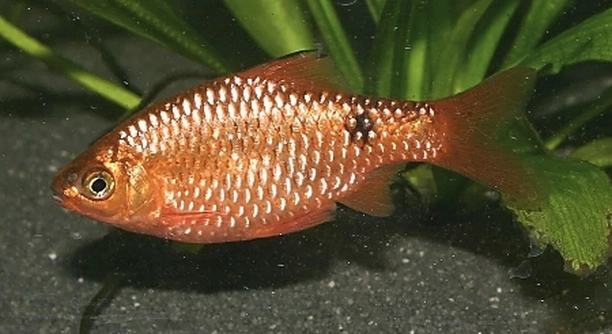
Rosy barbs are lively fish that thrive in groups. Many fish owners enjoy their bright colors and active nature. However, sometimes these fish show signs that they need more companions in their tank to stay happy.
Rosy barbs require social interaction to maintain their health and well-being. When kept alone or in too small a group, they may exhibit stress, aggression, or lethargy. Adding more companions helps reduce these negative behaviors and supports natural schooling instincts.
Recognizing these signs early can improve your fish’s environment and overall happiness. The following points will help you understand when it’s time to add more rosy barbs to their home.
Restlessness and Constant Swimming
When rosy barbs don’t have enough companions, they tend to swim constantly without resting. You might notice them pacing around the tank nervously or darting from one side to the other. This behavior shows they are uncomfortable and stressed. Normally, rosy barbs swim in groups, so being alone makes them feel unsafe. The tank becomes less of a place to relax and more like a source of anxiety. Over time, this constant restlessness can wear down their health and reduce their lifespan. Watching your fish swim non-stop should raise a red flag about their social needs.
This nonstop swimming is a clear sign that more companions are needed to help calm your rosy barbs and improve their well-being.
Adding a few more rosy barbs can bring balance to the tank. When they have others to swim with, they form a natural school that helps them feel secure. This reduces stress and encourages more natural behavior like resting and playing. Fish in groups also interact better, which keeps them more active and healthy. If you notice your rosy barbs swimming restlessly, try increasing their numbers gradually. This simple change can improve their quality of life and create a more peaceful aquarium atmosphere.
Loss of Color and Dull Appearance
Rosy barbs kept alone or in small numbers may lose their bright colors. Their scales might look pale or faded over time. This color loss is often a sign of stress or poor health. In groups, rosy barbs stimulate each other, and this interaction helps keep their colors vibrant. Without companions, they may seem less lively and attractive, which can be worrying for an owner who enjoys their bright hues.
Color fading is an early indicator that your rosy barbs could benefit from a larger group.
The bright red and orange tones of rosy barbs come from good health and social engagement. When isolated, their bodies don’t produce the same level of pigments, causing dullness. Stress hormones released from loneliness or anxiety can also suppress their natural colors. Ensuring your rosy barbs live in a proper school of at least five fish helps maintain their vibrant appearance. If you notice your fish losing color, check if their group size is too small and add more companions to support their natural brilliance. This step is vital not only for aesthetics but also for their overall happiness.
Aggressive Behavior Toward Tank Mates
Rosy barbs can become aggressive when they feel lonely or stressed. Without enough companions, they may nip at other fish or chase them around the tank.
This aggression often arises because rosy barbs rely on their group for social balance. When the group is too small, they become unsettled and may direct their frustration toward other tank mates. Aggressive behavior can harm both the barbs and the other fish, causing injuries or stress that affects the whole aquarium. Maintaining a proper group size helps reduce this behavior by giving the barbs the social interaction they need, which keeps them calmer and less likely to act out.
Aggression can also disrupt feeding and resting times, making the tank an uncomfortable place for all inhabitants. Providing enough rosy barbs helps distribute attention evenly and reduces tension, promoting a more peaceful environment for everyone.
Hiding and Avoidance
When rosy barbs don’t have enough companions, they may hide more often. This behavior signals discomfort or fear in their environment.
Hiding is a natural response when the fish feel insecure or stressed. In a small group or alone, rosy barbs lack the confidence that comes from schooling. Without the safety of a group, they feel vulnerable and retreat to decorations or corners of the tank. This can make it hard to see or enjoy your fish, and it may also affect their health, as they may eat less or miss out on social interaction. Increasing their group size encourages them to swim openly and interact more, which boosts their confidence and well-being. Over time, a larger group helps them feel safer and more comfortable in their surroundings.
Loss of Appetite
Rosy barbs without enough companions often lose interest in food. This can quickly lead to poor health if not addressed.
A proper group size helps keep their eating habits regular and encourages feeding through social cues from other fish.
Lethargy and Lack of Activity
When lonely, rosy barbs become less active and spend more time resting or hiding. This lethargy is a clear sign of stress or boredom caused by insufficient social interaction. Without the stimulation of a group, their energy levels drop, and they lose interest in swimming or exploring. Increasing the number of companions boosts their natural behavior, encouraging more movement and playfulness that supports overall health.
Erratic Swimming Patterns
Erratic swimming, such as sudden stops or sharp turns, may indicate stress due to a small group or isolation.
Increased Disease Risk
Stress from loneliness weakens rosy barbs’ immune systems, making them more prone to illness and infections.
How many rosy barbs should I keep together?
Rosy barbs are schooling fish, and they feel safest in groups of at least five. Keeping fewer than five can cause stress and lead to the signs mentioned earlier, like aggression and loss of color. A group of five or more allows them to interact naturally, swim together, and feel secure. If your tank size limits the number of fish, consider upgrading the tank or choosing species that thrive better in smaller groups.
Can rosy barbs live alone?
While rosy barbs can survive alone, it’s not ideal for their well-being. These fish depend on social interaction to stay healthy and happy. Alone, they often become stressed, lose color, and show behavioral problems. A single rosy barb will miss out on important social cues, which can shorten its lifespan. Adding companions is always better for their mental and physical health.
What happens if rosy barbs are kept in too small groups?
Small groups can cause several problems. Rosy barbs may become aggressive, restless, or lethargic. They might hide more and stop eating regularly. Stress from loneliness also weakens their immune system, increasing the chance of illness. These issues can lead to poor water quality if fish stop eating or produce more waste. Ensuring a proper group size reduces these risks and keeps the tank peaceful.
How do I introduce new rosy barbs to my tank?
Introduce new rosy barbs slowly to avoid stressing the current fish. First, quarantine the new fish for at least two weeks to prevent disease spread. Then, add them gently to the tank using a floating bag to equalize temperature. Observe their behavior carefully during the first few days. If aggression happens, consider rearranging decorations to break territory or adding more companions to balance the group.
Are there tank size recommendations for groups of rosy barbs?
Yes. For a small group of five rosy barbs, a tank of at least 30 gallons is recommended. Larger groups need bigger tanks to give them enough space for swimming and hiding. Overcrowding can cause stress and poor water quality. A spacious tank also helps reduce aggression by giving fish enough territory and room to school naturally.
What are signs that my rosy barbs are stressed?
Common stress signs include constant swimming, hiding, loss of color, aggression, loss of appetite, and erratic swimming. If you notice these, check the group size first. Stress also makes fish more prone to disease, so quick action is important. Adding companions, improving water quality, and maintaining a proper tank environment help reduce stress.
Can other fish species help keep rosy barbs social?
While some fish can cohabit peacefully with rosy barbs, they don’t replace their need for their own kind. Rosy barbs need to school with their species for natural social behavior. Other species might provide some interaction but won’t prevent stress from isolation. Always prioritize keeping a proper number of rosy barbs together for their best health.
How often should I monitor my rosy barbs’ behavior?
Daily observation is best to catch early signs of stress or illness. Watching your fish regularly helps you notice changes like aggression, hiding, or loss of color. Early detection lets you act before problems worsen. Simple checks during feeding times are enough to see if your rosy barbs are active and healthy.
Rosy barbs are lively and colorful fish that bring life to any aquarium. They thrive best when kept in groups because they are social animals. When their numbers are too small, they often show signs of stress like aggression, hiding, or loss of color. These signs are important to notice because they tell you that your fish need more companions to stay happy and healthy. Providing enough rosy barbs helps them swim naturally, interact with one another, and feel safe in their environment.
Keeping rosy barbs in a proper group size also supports their overall well-being. When they have enough companions, they are less likely to become aggressive or restless. They eat better and show brighter colors, which means they are healthier. A well-balanced group encourages natural behavior like schooling, which is essential for their mental and physical health. Without enough companions, these fish may become lethargic or stressed, which can lead to illness. Making sure they live in a social environment reduces these risks and helps them live longer.
It’s important to regularly observe your rosy barbs to notice any changes in behavior or appearance. Early detection of stress signs allows you to adjust their group size or environment before problems worsen. Adding more rosy barbs gradually and providing a spacious tank will create a peaceful, balanced aquarium. Overall, understanding the social needs of rosy barbs improves their quality of life and makes your aquarium more enjoyable to watch. Taking simple steps to meet their social needs is key to keeping these fish thriving in your care.

Hello,
If you enjoy the content that we create, please consider saying a "Thank You!" by leaving a tip.
Every little bit helps us continue crafting quality advice that supports the health, happiness, and well-being of pets around the world, for pets of all shapes, sizes, and species.
We really appreciate the kindness and support that you show us!