
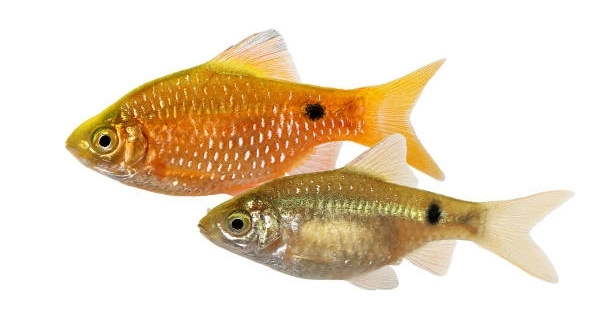
Rosy barbs are colorful freshwater fish often kept in community tanks. Observing their behavior helps ensure a peaceful environment. Recognizing when one is dominating the group is important for maintaining harmony among your fish.
A rosy barb dominating the group typically shows aggressive behaviors such as chasing, nipping, and controlling the best hiding spots. Dominant fish often display brighter colors and increased activity compared to others in the tank, establishing a clear social hierarchy.
Understanding these signs will help you keep your aquarium balanced and your rosy barbs healthy and happy.
Signs of Dominance in Rosy Barbs
When a rosy barb is dominating, you may notice certain behaviors that stand out. The dominant fish often swims aggressively around the tank, chasing other barbs away from food or favored spots. It may nip at fins or tails, causing stress to the others. These actions help the dominant fish control space and resources. You might also see the dominant barb holding the brightest colors and swimming confidently near the front of the tank. Other fish may keep their distance or hide more often. Over time, the dominant barb can become territorial, protecting its chosen area. Watching these behaviors closely can give you a clear picture of which fish is in charge.
Dominant rosy barbs often influence the group’s overall activity and peace. Their behavior can affect how others behave in the tank.
Identifying a dominant fish early helps you manage the group better. You can adjust tank setup, add hiding spots, or rearrange decorations to reduce stress. Sometimes, balancing the number of fish or their size can lessen aggression. Understanding the dominance patterns supports a healthier environment for all your rosy barbs.
How to Manage a Dominant Rosy Barb
Adjusting the tank environment is key to managing a dominant rosy barb. Adding plants, rocks, or decorations creates hiding spots for less dominant fish. This reduces stress and helps balance social interactions. Feeding in multiple locations also limits competition and keeps the peace. Sometimes, increasing the group size can spread aggression, as dominant behavior lessens when more fish share space. Regular monitoring ensures any signs of bullying or injury get noticed early. If aggression becomes too much, separating the dominant fish temporarily can help restore calm. These steps maintain harmony and promote a happier tank overall.
Impact of Dominance on Tank Health
Dominance can create stress for less aggressive rosy barbs. Stressed fish may eat less, lose color, or become more vulnerable to disease. Maintaining a peaceful environment is important for their well-being.
Stress caused by constant chasing or nipping lowers the immune response in weaker fish. This can lead to illness or slower recovery from minor injuries. Over time, the dominant fish may control access to food, causing others to miss meals. Uneven feeding worsens health disparities in the group. Behavioral imbalance also affects breeding, as stressed fish are less likely to spawn. Keeping dominance in check helps protect the entire tank’s health.
A dominant fish can unintentionally harm others through rough behavior. Regular observation and intervention keep all fish safe. Introducing new hiding places or rearranging the tank can ease tension. Keeping the tank clean and water quality high also supports stressed fish. These actions help reduce health risks caused by dominance in your rosy barb group.
Recognizing Early Signs of Dominance
Changes in behavior and appearance often signal early dominance. A rosy barb may start chasing others or occupying key areas more frequently. Its color might become more vivid as it asserts control.
Early signs can be subtle but important to notice. The fish may linger near food or in favored spots, pushing others away gently at first. You might see occasional quick nips during feeding times. Other barbs could show minor signs of stress, like hiding or darting suddenly. These small actions can grow into stronger dominance if left unchecked. Spotting these signals early allows you to make adjustments before problems escalate.
Acting quickly to reduce aggression at these early stages saves stress and harm later on. Changes in tank setup or feeding routine can stop dominance from becoming a problem. It’s easier to prevent conflict than to fix it once established. Monitoring daily behavior helps catch these changes before they cause lasting effects. This keeps your rosy barbs happier and healthier overall.
Managing Aggressive Behavior
Aggressive behavior often comes from competition for food or territory. Addressing these issues can calm the dominant rosy barb and reduce stress for others.
Providing multiple feeding spots and plenty of hiding places helps break up aggressive patterns. This gives all fish space to feel safe and lessens fighting over resources.
Adjusting Tank Setup for Peace
Rearranging decorations or adding plants can change territorial boundaries, reducing aggression. When the environment feels new, dominant fish are less likely to claim fixed areas. This shift encourages more balanced interactions. Using tall plants and caves creates safe zones for shy barbs. Open swimming space prevents crowding and tension. Adjusting lighting to mimic natural cycles also helps keep fish calmer. Regularly changing the tank layout every few weeks keeps dominance from settling in. These simple steps improve the social atmosphere and help all rosy barbs thrive together.
When to Consider Separation
If aggression continues despite changes, temporarily separating the dominant fish may be necessary. This prevents injury and gives others a break.
FAQ
How can I tell if my rosy barb is dominating or just being active?
A dominant rosy barb shows consistent aggressive behaviors like chasing, nipping, and controlling space. Active fish swim around often but don’t push others away or cause stress. Dominance is about control, while normal activity involves exploring and socializing without harm. Watching how other fish respond helps identify true dominance.
What should I do if the dominant rosy barb is stressing out the others?
Try adding more hiding spots and plants to give shy fish places to escape. Feed in several areas to reduce competition. Rearrange tank decorations to break up established territories. If aggression stays high, consider temporarily isolating the dominant fish to let others recover. These steps reduce stress and help rebalance the group.
Can tank size affect dominance behavior?
Yes, smaller tanks often increase aggression because fish have less space to avoid each other. A larger tank with more room for swimming and hiding decreases tension and makes dominance less severe. Aim for at least 30 gallons for a group of rosy barbs to reduce conflicts.
Will adding more rosy barbs help reduce dominance?
Increasing group size can spread out aggressive behavior since the dominant fish can’t control everyone. However, adding too many fish in a small tank causes overcrowding, which increases stress. Balance the number of fish with tank size for best results.
Do dominant rosy barbs affect breeding?
Dominant behavior can stress out less aggressive fish, lowering their chances to spawn. Stress reduces energy and interest in breeding activities. Creating a peaceful environment with enough space and hiding places supports healthier breeding conditions for all fish.
Can diet influence dominance in rosy barbs?
While diet itself doesn’t cause dominance, competition for food can increase aggression. Feeding high-quality food in multiple spots helps reduce fighting. Healthy fish are more balanced, but controlling feeding practices is key to preventing dominance-related stress.
Is it normal for rosy barbs to be aggressive sometimes?
Some level of chasing or nipping is normal as part of establishing social order. Problems arise when aggression is constant and harms other fish. Mild displays usually don’t need intervention, but watch for repeated bullying or injury.
How long does it take to calm a dominant rosy barb?
Calming aggressive behavior varies. Changes to the tank setup and feeding routine can show effects in days to weeks. Patience is important, as fish adjust slowly. Consistent monitoring and adjustments help keep dominance under control.
Are certain rosy barb personalities more likely to dominate?
Individual temperament plays a role. Some fish are naturally more assertive or bold. These traits combined with size or color brightness often lead to dominance. Providing a balanced group and environment helps manage these differences.
Can other fish species influence rosy barb dominance?
Yes, the presence of more peaceful or larger species can impact social dynamics. Some tank mates may reduce aggressive behavior by distracting dominant fish or shifting focus. Choosing compatible species is important to maintain balance.
What signs show a dominant rosy barb is harming others?
Look for torn fins, missing scales, or hiding behavior in less dominant fish. Constant chasing and refusal to allow others near food or shelter are warning signs. Physical injuries or stress-related illnesses indicate serious problems.
Should I remove a dominant rosy barb permanently?
Permanent removal is a last resort after trying environmental changes. If aggression causes injury or stress that can’t be managed, rehoming the dominant fish may be best for the group’s health. Always consider alternatives before taking this step.
Dominance among rosy barbs is a natural part of their social behavior. It helps establish order within the group and can show which fish are stronger or more confident. However, when one fish becomes too dominant, it can cause problems for the others. Aggressive chasing, nipping, and controlling space may stress out less confident fish. This stress can affect their health and overall happiness in the tank. Recognizing the signs of dominance early is important for keeping the group balanced and peaceful. By watching how your fish interact, you can better understand when one is taking control and what to do about it.
Managing dominance involves making simple changes to the tank and daily care routines. Adding plants, rocks, and decorations creates hiding spots that give shy fish places to retreat. Feeding in several spots lowers competition for food, which reduces aggressive behavior. Sometimes rearranging the tank’s layout helps break up territories that a dominant fish may have claimed. In larger tanks, aggression tends to be less intense because fish have more space to swim and avoid each other. When these adjustments don’t work, temporarily separating the dominant fish can give others a break and prevent injury. These small steps make a big difference in helping your rosy barbs live together peacefully.
Remember, every tank and group of fish is different, so solutions may vary. Observing your rosy barbs closely is the best way to know what they need. Keep an eye on their behavior, health, and how they respond to changes you make. With care and attention, it’s possible to maintain a happy, healthy tank where all the fish thrive. Understanding dominance is part of being a responsible keeper and helps you create a better home for your rosy barbs. This way, you can enjoy watching their bright colors and lively personalities without worry.

Hello,
If you enjoy the content that we create, please consider saying a "Thank You!" by leaving a tip.
Every little bit helps us continue crafting quality advice that supports the health, happiness, and well-being of pets around the world, for pets of all shapes, sizes, and species.
We really appreciate the kindness and support that you show us!