
Rosy Barbs are popular freshwater fish known for their vibrant colors and active behavior. Observing how well they adapt to a new environment is important for their health and well-being. Recognizing signs of good adjustment helps ensure they thrive in your care.
Rosy Barbs that adjust well typically show steady eating habits, vibrant coloration, active swimming, minimal stress behaviors, and compatibility with tank mates. These indicators reflect a stable environment and proper acclimation to new water conditions and surroundings.
Understanding these signs will help you maintain a healthy and happy aquarium for your Rosy Barbs. This article outlines clear ways to identify their adjustment progress effectively.
Steady Eating Habits
Rosy Barbs that settle in well will eat regularly and show interest in their food. Right after moving to a new tank, it’s common for them to hesitate, but this should only last a day or two. If they resume eating consistently, it means they are comfortable. Feeding time is a great opportunity to observe their behavior and appetite. Avoid sudden changes in diet, as this can add stress. A balanced diet with flakes, pellets, and occasional live or frozen food helps maintain their health. Watch for any refusal to eat over several days, which could signal adjustment problems or illness. Keeping water quality stable and maintaining proper temperature supports their feeding habits. Healthy eating patterns are often the first visible sign of a Rosy Barb’s good adaptation.
Appetite recovery after relocation is a strong sign of proper acclimation and well-being in Rosy Barbs.
Regular feeding helps monitor their health and supports their overall adjustment to the new tank environment.
Vibrant Coloration
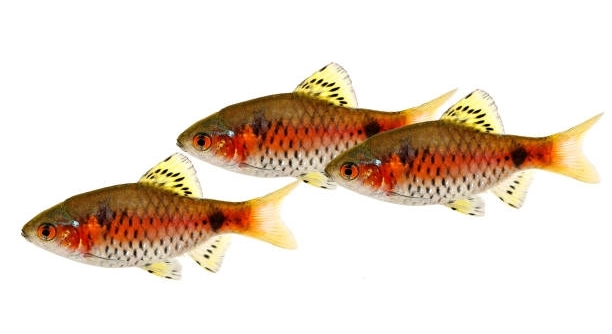
Healthy Rosy Barbs show bright, vibrant colors that reflect their well-being. When they adjust well, their reds and oranges become more pronounced. Dull or faded colors can be a sign of stress or illness, so maintaining stable tank conditions is crucial. Good lighting and proper nutrition also contribute to their color. When introducing new fish, avoid overcrowding, as it may cause fading or aggression, affecting their appearance. Consistent water parameters and cleanliness reduce stress and support their natural pigmentation. Monitoring changes in coloration provides insight into their adaptation. If colors improve over time, it signals a positive response to the environment. Proper care and patience are key to keeping their colors vibrant and strong in the long term.
Active Swimming Behavior
Active swimming is a clear sign that Rosy Barbs are adjusting well. They explore their tank confidently and interact with other fish without showing signs of hiding or lethargy.
Swimming patterns reflect their comfort level. Rosy Barbs that are well-adjusted will swim steadily throughout the tank, showing curiosity and energy. Erratic or sluggish movements can indicate stress or poor water conditions. They tend to swim in small groups or pairs, which helps them feel secure. When Rosy Barbs explore plants, decorations, and open water calmly, it shows they trust their environment. Consistent activity also supports their overall health by encouraging proper muscle use and digestion.
Ensuring a spacious tank with hiding spots and stable water parameters helps promote active swimming. Regular observation of their movement patterns allows for quick response to any signs of discomfort or illness, helping your fish stay lively and well-adjusted.
Minimal Stress Signs
Stress in Rosy Barbs can show through clamped fins, hiding, or rapid breathing. When they settle in, these signs reduce significantly.
Stress behaviors often stem from sudden changes or poor water quality. Rosy Barbs that adjust well maintain relaxed body language and normal breathing rates. Avoid overcrowding and aggressive tank mates to minimize stress. Providing places to hide helps them feel secure and reduces tension. Frequent water changes and monitoring ammonia, nitrite, and nitrate levels keep the environment safe and stress-free. Observing the absence of stress signs is an important part of confirming their successful adjustment. Healthy Rosy Barbs display calm, natural behaviors without constant darting or hiding, indicating a stable and comfortable habitat.
Compatibility with Tank Mates
Rosy Barbs that adjust well usually get along with other peaceful fish. Aggression or constant chasing is a sign of stress or poor adjustment.
Choosing compatible species and maintaining enough space reduces conflicts. A balanced community tank helps Rosy Barbs feel secure and relaxed.
Regular Interaction and Response
Well-adjusted Rosy Barbs respond to movement outside the tank and recognize feeding cues. This interaction shows they feel safe and comfortable in their environment.
Their alertness to surroundings means they have settled in and trust their tank conditions. Lack of response might indicate stress or illness.
Healthy Growth
Steady growth is a sign that Rosy Barbs are thriving. When they are well-adjusted, their size and body shape improve consistently with proper care.
Calm Resting Periods
Rosy Barbs that adjust well have calm resting times. They settle quietly near the bottom or plants without excessive movement or stress.
FAQ
How long does it take for Rosy Barbs to adjust to a new tank?
Rosy Barbs generally take about one to two weeks to fully adjust to a new environment. During this time, they may act shy or refuse food for a day or two. Once they start eating regularly and swim actively, it shows they are settling in well. Water conditions, tank size, and tank mates all affect how quickly they adapt.
What should I do if my Rosy Barbs aren’t eating?
If your Rosy Barbs refuse food for more than two days, check water quality first. Poor conditions can cause stress and loss of appetite. Make sure the temperature and pH are within the ideal range. Try offering a variety of foods like flakes, pellets, or live options. Avoid sudden diet changes, and give them time to adjust.
Why do Rosy Barbs lose their color after moving to a new tank?
Color fading is common when Rosy Barbs experience stress from relocation. It usually improves after a few days once they get used to the new water parameters and surroundings. Proper lighting, a balanced diet, and a peaceful tank environment help restore their vibrant colors faster.
Can Rosy Barbs live with other fish?
Yes, Rosy Barbs are social and usually peaceful, but they can be slightly nippy. They do well with other similarly sized, non-aggressive fish. Avoid very small fish that might be targeted, or very aggressive species that could stress them. Good tank mates help reduce stress and support healthy social behavior.
What water parameters are best for Rosy Barbs?
Rosy Barbs thrive in water with a temperature between 64°F and 72°F (18°C to 22°C). The pH should be neutral to slightly alkaline, around 6.5 to 7.5. They prefer moderate hardness. Regular testing and stable water quality are essential to prevent stress and illness.
How often should I clean the tank when keeping Rosy Barbs?
Partial water changes of about 25% should be done weekly to maintain water quality. Regular removal of uneaten food and waste prevents buildup of harmful substances. Cleaning the tank filter monthly keeps the system running smoothly without disturbing beneficial bacteria.
What signs indicate my Rosy Barbs might be sick?
Look for changes like loss of appetite, faded colors, sluggish swimming, clamped fins, or spots on their bodies. Rapid breathing and hiding more than usual also suggest stress or illness. Early detection and treatment are important for their recovery.
Do Rosy Barbs need special plants or decorations?
They appreciate a tank with live plants and hiding spots, which reduce stress and mimic their natural habitat. Rounded decorations and smooth surfaces prevent injury during swimming. Providing open swimming space along with shelter areas creates a comfortable environment.
Can Rosy Barbs handle different water temperatures?
They prefer cooler water but can tolerate slight variations if changes are gradual. Sudden temperature shifts can cause stress and illness. Maintaining stable temperature within their preferred range helps them stay healthy and active.
Is it normal for Rosy Barbs to hide sometimes?
Yes, occasional hiding is normal, especially after a new introduction or if they feel threatened. However, constant hiding or inactivity might mean they are stressed or ill. A well-settled fish spends most of its time swimming and exploring rather than hiding.
Final Thoughts
Rosy Barbs are beautiful and lively fish that can bring a lot of enjoyment to an aquarium. Watching them adjust well to a new environment is important because it shows they are healthy and comfortable. By paying attention to their eating habits, swimming behavior, and coloration, you can better understand how they are doing. When these signs are positive, it means your fish are adapting properly to the tank and its conditions. It also helps you catch any problems early before they become serious.
Maintaining a stable environment is key to helping Rosy Barbs settle in. Consistent water temperature, good water quality, and a balanced diet support their well-being. Providing enough space and compatible tank mates reduces stress and encourages natural behavior. It is normal for Rosy Barbs to show some initial hesitation when introduced to a new tank, but these signs should fade as they grow more comfortable. Regular observation of their behavior and health will allow you to make any necessary changes quickly.
Taking care of Rosy Barbs requires patience and attention. Understanding how they react to their surroundings helps you create the best environment for them. Their active swimming, bright colors, and steady eating habits all indicate good adjustment. By focusing on these factors, you can ensure your Rosy Barbs thrive and enjoy a long, healthy life. This care not only benefits the fish but also makes the aquarium a pleasant and rewarding experience for you.

Hello,
If you enjoy the content that we create, please consider saying a "Thank You!" by leaving a tip.
Every little bit helps us continue crafting quality advice that supports the health, happiness, and well-being of pets around the world, for pets of all shapes, sizes, and species.
We really appreciate the kindness and support that you show us!