
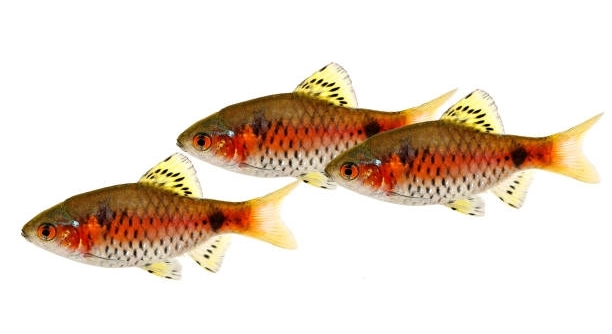
Rosy barbs are popular freshwater fish known for their bright colors and lively behavior. These small fish communicate in unique ways that help them interact within their groups. Understanding their communication can deepen appreciation for these fascinating creatures.
Rosy barbs communicate through body movements, color changes, and fin displays. These signals convey social status, readiness to breed, and stress levels. Communication among rosy barbs plays a crucial role in maintaining group harmony and avoiding conflicts in their natural environment.
Learning how rosy barbs express themselves can improve care in home aquariums. Their subtle signs reveal much about their mood and well-being, making them more than just colorful additions to a tank.
Body Language and Fin Movements
Rosy barbs use body language and fin movements as primary ways to communicate. When a rosy barb flares its fins or raises its dorsal fin, it is often signaling dominance or warning others to keep their distance. Rapid swimming or darting movements can indicate excitement or alertness. During mating, males display more intense fin movements to attract females. Observing these subtle motions can tell you a lot about how your fish feel and interact. Recognizing signs of aggression or stress early can help prevent fights and keep the group peaceful. It is important to provide enough space in the tank so each fish can express these behaviors without feeling threatened.
These fin and body signals are clear indicators of a rosy barb’s mood. Watching their movements closely can help you respond appropriately to their needs and maintain a balanced aquarium environment.
Learning to read these movements strengthens the connection between the fish and their caretaker. It also ensures that the environment remains calm, promoting healthier social interactions among the fish.
Color Changes and Communication
Color changes in rosy barbs play a vital role in their communication. Brightening colors often indicate good health or readiness to mate, while dull or faded colors can signal stress or illness. Environmental factors like water quality, temperature, and tank mates also influence their coloration. When a male rosy barb displays more vibrant colors, it is usually trying to attract a female or assert dominance. In contrast, sudden color changes may warn of discomfort or fear. Keeping the tank conditions stable helps maintain their natural colors and reduces unnecessary stress. Monitoring color shifts closely can provide early clues to a fish’s well-being and social status within the group. Understanding these changes allows for better care and more peaceful coexistence in the aquarium.
Vocalizations and Sounds
Though not as vocal as some fish, rosy barbs produce subtle sounds to communicate. These noises usually occur during mating or when feeling threatened. The sounds are created by grinding their teeth or vibrating their swim bladder. Understanding these quiet signals can help identify stress or excitement in your fish.
Rosy barbs use these sounds mainly during social interactions. During mating, males may produce gentle vibrations to attract females or establish dominance. When threatened, they may emit brief grinding noises as warnings to others. These sounds are often too faint for casual observation but become noticeable in a quiet environment. Listening for these cues can give insights into their social dynamics and help prevent conflicts before they escalate.
In an aquarium setting, changes in vocal behavior may indicate discomfort or environmental issues. Consistent noise during feeding or socializing shows healthy interaction. Sudden silence or excessive sound could suggest stress or illness. Paying attention to these sounds complements visual observation and enhances overall care.
Social Hierarchy Signals
Rosy barbs establish social order through a combination of displays and subtle actions. Dominant fish often show brighter colors and more frequent fin flares, while submissive ones keep a low profile. This hierarchy reduces conflict and maintains peace within the group.
The social structure is essential for their well-being. Dominant individuals mark their status by patrolling the tank and occasionally chasing lower-ranked fish. Submissive fish avoid confrontation by staying on the outskirts and reducing their activity. This balance helps avoid constant fighting, which can cause injuries or stress. Proper tank size and hiding spaces support these natural behaviors, allowing fish to retreat when needed.
Recognizing these social signals helps you maintain harmony in your aquarium. Intervening only when aggressive behavior becomes harmful ensures a healthy environment. Understanding the social ranking also improves breeding success by identifying compatible pairs and reducing competition stress.
Group Swimming Patterns
Rosy barbs often swim in groups, creating patterns that signal safety or alertness. When they swim closely together, it usually means they feel secure. If they scatter suddenly, it’s a sign of perceived danger or disturbance nearby.
These swimming behaviors help maintain group cohesion. Tight schooling reduces the chance of attacks from predators in the wild. In aquariums, it shows the fish’s comfort level with their surroundings and tank mates. Watching their movement patterns gives clues about their mood and environment stability.
Stress Signals
Rosy barbs show stress through erratic swimming, hiding, or loss of color. Stress affects their health and social behavior.
Breeding Communication
During breeding, males display brighter colors and chase females gently. These actions encourage spawning.
Territory Marking
Rosy barbs mark their territory by chasing intruders and flaring fins, especially during breeding season.
How do rosy barbs show affection or bonding?
Rosy barbs display affection by swimming closely together and gently nudging each other. They often follow one another around the tank, which shows trust and comfort. These behaviors help maintain social bonds within the group. When fish spend time side by side, it indicates positive interaction rather than aggression or stress. This gentle physical contact is their way of strengthening group cohesion, which is important for their well-being in captivity.
What signs indicate aggression in rosy barbs?
Aggression is often shown by flared fins, chasing, and biting. Males especially display these behaviors during competition for mates or territory. You may notice some fish isolating themselves to avoid conflict. Persistent aggression can lead to injuries or stress, so it is essential to watch for these signs early. Providing enough space and hiding spots can reduce aggressive encounters.
Can rosy barbs communicate through color changes?
Yes, rosy barbs change color to express mood or health. Bright, vibrant colors usually mean the fish is healthy and confident. Dull or faded colors can indicate stress, illness, or submission. Environmental factors like water quality and tank conditions also influence their color. Monitoring these changes helps detect problems before they become severe.
Do rosy barbs use sounds to communicate?
Rosy barbs produce faint sounds by grinding their teeth or vibrating their swim bladder, mostly during mating or when feeling threatened. These sounds are subtle and often unnoticed but serve as warnings or mating signals within the group. Observing these sounds in a quiet environment can provide clues about their social interactions.
How do rosy barbs establish social hierarchy?
Dominant rosy barbs display brighter colors and more frequent fin flares, signaling their rank. They patrol the tank and may chase lower-ranked fish to assert control. Submissive fish keep low profiles, avoid confrontations, and stay near the tank’s edges. This natural hierarchy helps reduce conflict and maintain peace.
What role do fin movements play in communication?
Fin movements convey mood and intent. Raised dorsal fins can show dominance or readiness to mate, while rapid swimming may signal excitement or alarm. Watching fin behavior helps interpret how rosy barbs feel and interact, improving tank management and preventing conflicts.
How do rosy barbs communicate during breeding?
During breeding, males display brighter colors and actively chase females with gentle movements. These actions stimulate spawning and courtship. Females respond by accepting or rejecting the males based on these signals. This communication ensures successful reproduction in the group.
What are common stress signals in rosy barbs?
Signs of stress include erratic swimming, hiding more often, loss of color, and decreased appetite. Stress can be caused by poor water quality, overcrowding, or incompatible tank mates. Addressing these issues quickly is vital to maintaining the fish’s health and social stability.
How important is group size for rosy barb communication?
Rosy barbs are social fish that rely on group behavior for communication. Keeping at least six fish helps maintain natural schooling and social patterns. Smaller groups may show increased stress or aggression. Proper group size encourages healthier interactions and reduces conflicts.
Can rosy barbs recognize their owners or environment?
While they don’t recognize people individually, rosy barbs become familiar with feeding routines and tank surroundings. They may swim towards the front of the tank during feeding times, showing conditioned behavior. A stable environment with predictable care routines helps reduce stress and promotes positive behavior.
How does tank setup affect rosy barb communication?
A well-planned tank with adequate space, plants, and hiding spots allows rosy barbs to express their communication signals naturally. Crowded or barren tanks increase stress and aggression. Providing an environment that mimics their natural habitat supports clearer communication and healthier social dynamics.
What should be done if rosy barbs show excessive aggression?
If aggression becomes frequent, consider increasing tank size or adding more hiding places. Separating the most aggressive fish temporarily may be necessary. Ensuring the group has enough members to spread social pressure can also reduce conflict. Monitoring interactions closely helps maintain balance.
Are rosy barbs sensitive to changes in their environment?
Yes, rosy barbs react quickly to water quality shifts, temperature changes, and new tank mates. These changes can affect their communication signals like color and behavior. Keeping a stable, clean environment supports their natural communication and overall health.
How can observing rosy barbs improve aquarium care?
By paying attention to their body language, color shifts, and social behavior, caretakers can detect health or stress issues early. Understanding these communication methods allows for timely adjustments to tank conditions or group dynamics. This leads to a more peaceful and thriving aquarium environment.
Understanding how rosy barbs communicate can greatly improve their care and well-being in an aquarium. These fish use various methods such as body language, color changes, and subtle sounds to express their mood and social status. Recognizing these signals helps aquarists respond appropriately to their needs. For example, noticing fin flares or changes in swimming patterns can indicate when a fish feels threatened or stressed. By paying close attention, it becomes easier to maintain a peaceful environment where the fish can thrive.
Communication among rosy barbs also plays an important role in their social interactions. They establish a clear hierarchy through displays of dominance and submission, which helps reduce aggression. When the social order is stable, the fish experience less stress and display more natural behavior. Providing enough space, hiding places, and keeping a proper group size supports these social needs. It is important to observe their behavior regularly to ensure that all fish are comfortable and not being bullied or isolated.
Taking time to understand rosy barbs’ communication can enhance the overall aquarium experience. It allows caretakers to detect early signs of illness or discomfort and make necessary adjustments to the tank environment. This knowledge encourages a more attentive and thoughtful approach to fish care. In return, rosy barbs show healthier growth, better colors, and more lively behavior. Being aware of their communication methods creates a stronger connection with the fish and promotes a balanced, peaceful community within the tank.

Hello,
If you enjoy the content that we create, please consider saying a "Thank You!" by leaving a tip.
Every little bit helps us continue crafting quality advice that supports the health, happiness, and well-being of pets around the world, for pets of all shapes, sizes, and species.
We really appreciate the kindness and support that you show us!