
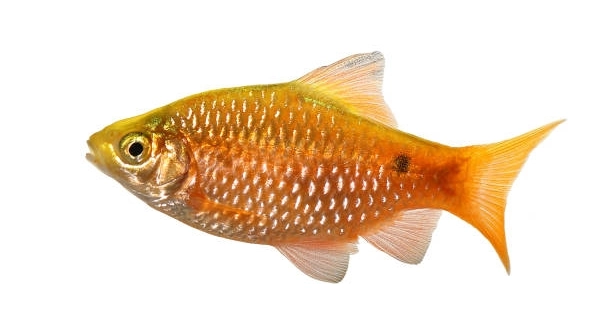
Rosy Barbs are popular freshwater fish known for their bright colors and active nature. Many fish owners enjoy keeping them in home aquariums. Understanding their care needs helps ensure these lively fish stay healthy and happy.
Rosy Barbs can survive without a heater in temperate climates, but consistent water temperature between 64°F and 72°F is essential for their well-being. Sudden temperature changes or prolonged cold can cause stress and health issues.
Learning about their temperature needs can help you create the best environment for your Rosy Barbs. This knowledge supports their health and vibrant appearance over time.
Do Rosy Barbs Need a Heater?
Rosy Barbs are native to regions with mild temperatures, so they can tolerate cooler water better than some tropical fish. In many cases, a heater is not absolutely necessary if the room temperature stays fairly stable and does not drop below 64°F (18°C). However, if your home gets cold in the winter or if temperatures fluctuate frequently, the fish can become stressed. Stress weakens their immune system and makes them more vulnerable to disease. Using a heater helps maintain a steady temperature, which is easier on the fish and encourages healthy behavior. Without a heater, you will need to monitor water temperature regularly to ensure it stays in a comfortable range. Many hobbyists who live in warmer climates successfully keep Rosy Barbs without any heating equipment. Still, those in cooler areas often find a heater is a helpful addition to keep the fish thriving all year.
A heater is not mandatory, but it offers better control over water conditions and fish health.
Maintaining the right temperature range supports Rosy Barbs’ energy levels and coloring. Without consistent warmth, their metabolism slows down, affecting feeding and growth. If a heater is not used, it is important to keep the tank away from cold drafts and direct sunlight. Sudden temperature drops can shock the fish, causing lethargy or illness. You may also want to invest in a reliable thermometer to keep track of the water temperature daily. Small adjustments in tank placement and using insulation can help reduce temperature swings. When the environment is stable, your Rosy Barbs will remain active and show their natural bright colors more vividly.
Signs Your Rosy Barbs Are Too Cold
When Rosy Barbs experience cold water stress, they may swim slowly or hide more than usual. Their colors may appear duller, and they might refuse food. Prolonged exposure to low temperatures increases the risk of infections.
If your Rosy Barbs act sluggish or lose their vibrant colors, checking water temperature is essential. Consistently low temperatures can weaken their immune system. Keeping the tank warm enough helps prevent these problems and keeps your fish lively.
Temperature Range for Rosy Barbs
Rosy Barbs thrive best in water temperatures between 64°F and 72°F. Staying within this range helps keep their metabolism steady and their immune systems strong. Too cold or too warm water can cause stress or health problems.
Temperatures below 64°F slow their metabolism, causing lethargy and less appetite. When water is too warm, oxygen levels drop, making it harder for fish to breathe. Fluctuations outside their comfort zone can also trigger diseases. Monitoring temperature regularly and adjusting heating or cooling methods keeps the tank stable. If you don’t use a heater, place the aquarium in a warm, draft-free spot and avoid direct sunlight that can overheat the water.
Consistency matters more than exact degrees. Small daily changes can be better than sudden, large swings. Stable conditions support your Rosy Barbs’ vibrant colors and active behavior.
Alternatives to Using a Heater
In warm climates, natural room temperature often stays suitable for Rosy Barbs without heating. You can also use insulation materials around the tank to keep water temperature steady. This reduces heat loss during cooler nights.
Using a thermometer daily helps track any temperature shifts so you can act quickly. Avoid placing the tank near windows or air conditioners to prevent sudden cooling. Aquarium covers help retain warmth by limiting evaporation. Plants and decorations provide shelter, reducing stress for the fish during cooler periods. If temperatures drop, consider using warm water changes rather than a heater to gently raise the temperature. These methods work well when winters are mild and indoor temperatures remain stable.
Tank Setup Tips for Rosy Barbs
A well-maintained tank helps Rosy Barbs stay healthy without needing a heater. Keep the water clean with regular changes. Use a filter to maintain good water quality and oxygen levels. Avoid overcrowding to reduce stress.
Provide hiding places like plants or decorations. These offer shelter and comfort, especially if temperatures vary. Proper tank care supports fish health even without heating.
Monitoring Water Temperature
Check the water temperature daily with a reliable thermometer. Consistent readings help catch temperature drops early. Quick action can prevent stress and illness.
Signs of Temperature Stress
If your Rosy Barbs swim sluggishly or stay near the surface, it could indicate temperature issues. Dull colors and loss of appetite are other signs.
When to Consider a Heater
If temperatures frequently fall below 64°F or fish show stress signs, adding a heater becomes important. It ensures a stable environment for your Rosy Barbs.
FAQ
Can Rosy Barbs live in cold water all year?
Rosy Barbs can survive in cooler water if it stays between 64°F and 72°F throughout the year. However, if temperatures drop much lower, especially below 60°F for long periods, the fish can become stressed and more prone to illness. In areas with cold winters, a heater or other temperature control is often necessary.
What happens if the water is too cold for Rosy Barbs?
Cold water slows down their metabolism, making them less active and less likely to eat. Prolonged exposure to low temperatures can weaken their immune system, increasing the risk of infections. You might notice faded colors, sluggish swimming, or hiding behavior if the water is too cold.
Is a heater always necessary for Rosy Barbs?
Not always. If your room temperature stays stable and within their preferred range, a heater may not be needed. However, in cooler climates or homes with fluctuating temperatures, a heater helps maintain a steady environment, which is better for the fish’s health.
How do I check if my Rosy Barbs are comfortable without a heater?
Observe their behavior and appearance. Active swimming, bright colors, and regular eating habits are signs they are comfortable. If they become lethargic, lose color, or refuse food, water temperature might be too low. Using a thermometer to monitor the tank daily is key.
Can sudden temperature changes harm Rosy Barbs?
Yes, sudden drops or spikes in temperature can cause stress and shock. This can lead to illness or death if the fish cannot adapt quickly. Keeping water temperature stable is more important than keeping it at a specific number.
What is the ideal temperature range for Rosy Barbs?
The ideal range is between 64°F and 72°F (18°C to 22°C). This range supports their natural activity levels and immune health. Temperatures outside this range should be avoided or adjusted carefully.
Can Rosy Barbs live with other fish if the water isn’t heated?
They can live with other fish that have similar temperature needs. Make sure tank mates also tolerate cooler water to prevent stress for all species. Compatibility is not just about temperament but also environmental needs.
Are there signs Rosy Barbs are too warm without a heater?
If water gets warmer than 75°F, Rosy Barbs may become restless or gasp near the surface due to low oxygen. Warm water holds less oxygen, so watch for increased breathing rates or unusual behavior.
What alternatives exist if I don’t want to use a heater?
You can use insulation around the tank or position it in a warm room free from drafts. Daily temperature checks and small warm water changes can help maintain comfort. Avoid placing tanks near windows or air conditioners.
How often should I monitor tank temperature?
Daily monitoring is best, especially if you don’t have a heater. This helps catch any temperature shifts early so you can act before the fish become stressed.
Can Rosy Barbs recover from cold stress?
If caught early, they can recover when water temperature returns to the ideal range. However, prolonged cold stress weakens them and makes recovery harder. Preventing stress with stable conditions is always better.
Does adding a heater affect aquarium maintenance?
A heater keeps temperature steady, making maintenance easier by reducing stress-related health problems. It also allows you to keep tropical plants and fish that need warmer water, expanding your tank options.
Rosy Barbs are fairly adaptable fish that can live without a heater in the right conditions. They do best when the water temperature stays between 64°F and 72°F. If the room temperature is stable and does not drop too low, these fish can stay healthy and active without needing extra heat. However, in cooler climates or during colder months, a heater may be necessary to avoid sudden temperature changes that can stress the fish. It is important to keep an eye on the tank’s temperature regularly, especially if you choose not to use a heater. Maintaining steady water conditions will help your Rosy Barbs thrive.
While a heater is not always required, it often provides the most consistent environment for your fish. Sudden shifts in temperature can weaken their immune system, making them more prone to illness. If you notice your Rosy Barbs swimming sluggishly, hiding, or losing color, these may be signs that the water is too cold. Using a thermometer daily can help you catch any temperature drops before they cause harm. If you live in an area with cold winters or your home temperature varies, a heater will create a more stable and safe environment for your fish.
In the end, keeping Rosy Barbs healthy is about paying attention to their needs and environment. Whether you use a heater or not, regular tank maintenance, clean water, and a steady temperature range are key. Providing hiding spots and avoiding drafts also support their well-being. With proper care, Rosy Barbs will display their bright colors and lively behavior, making your aquarium a beautiful and enjoyable space. Taking simple steps to control temperature and water quality helps your fish live a long and healthy life.

Hello,
If you enjoy the content that we create, please consider saying a "Thank You!" by leaving a tip.
Every little bit helps us continue crafting quality advice that supports the health, happiness, and well-being of pets around the world, for pets of all shapes, sizes, and species.
We really appreciate the kindness and support that you show us!