
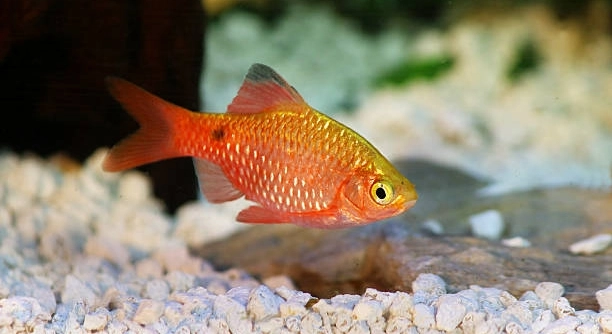
Rosy Barbs are popular freshwater fish that many enjoy keeping in community tanks. They are known for their vibrant colors and peaceful nature. Many fish owners pay close attention to how these fish interact with others in their aquarium.
Rosy Barbs do recognize their tank mates through visual and behavioral cues, which helps them establish social hierarchies and reduce aggression. This recognition is important for maintaining harmony in a community tank environment.
Understanding how Rosy Barbs relate to their tank mates can help improve your aquarium setup. Their social behavior affects both their health and the tank’s overall balance.
How Rosy Barbs Recognize Their Tank Mates
Rosy Barbs use their keen eyesight to recognize other fish in the tank. They pay attention to colors, shapes, and swimming patterns. These fish learn to identify who is familiar and who might be a stranger. Over time, they develop social bonds or decide who to avoid. This recognition helps reduce stress and fights in the tank. When new fish are added, Rosy Barbs may act cautiously until they get used to them. They also respond to movements and behaviors, which can signal if another fish is calm or aggressive. This constant observation helps them stay safe and comfortable. Knowing this, it’s clear that Rosy Barbs are more aware of their surroundings than many assume.
Their ability to recognize others supports peaceful cohabitation and promotes a balanced tank environment.
Recognizing tank mates benefits the fish by creating a stable social group. This helps reduce unnecessary conflicts and stress, which can harm their health. By watching and learning from others, Rosy Barbs adjust their behavior, making the tank more peaceful overall. This recognition is important for community tanks where multiple species live together. When fish feel secure, they are more likely to display natural behaviors, eat well, and thrive. For tank owners, understanding this can guide how they introduce new fish or arrange the aquarium to keep harmony among all inhabitants.
Signs Rosy Barbs Show When They Recognize Their Tank Mates
Rosy Barbs show clear behaviors that indicate recognition. They may swim closer to familiar fish or mirror their movements.
These fish often swim in groups, called shoals, with those they recognize. This grouping is a sign of trust and safety. If a Rosy Barb feels threatened by a stranger, it might swim away or display mild aggression. Sometimes, they engage in gentle chasing or nudging to test social status within the group. Watching these behaviors helps owners understand how well the fish know each other. Proper social interaction reduces stress and keeps the tank peaceful. Fish that don’t recognize their tank mates may act more nervously, which can affect their well-being and the overall tank environment.
Tank Environment’s Role in Recognition
The tank setup affects how well Rosy Barbs recognize their tank mates. A well-structured environment encourages natural behavior and easier social bonding.
A spacious tank with plenty of hiding spots and clear swimming areas helps Rosy Barbs observe each other better. When fish have room to move and retreat, stress levels drop, making them more comfortable interacting. Plants, decorations, and rocks create barriers that can reduce aggression and provide safe zones. This helps fish recognize familiar neighbors without constant confrontation. Lighting also matters; proper light levels improve visibility and allow Rosy Barbs to identify colors and shapes more clearly. A cluttered or overcrowded tank makes recognition harder and can increase tension among fish.
Maintaining a clean, balanced environment supports the fish’s natural behavior. It allows Rosy Barbs to form stable social groups, improving their health and happiness. Owners who focus on tank conditions often see more peaceful interactions and less aggression.
Introducing New Tank Mates
Adding new fish requires careful planning to maintain harmony. Sudden introductions can stress Rosy Barbs and disrupt social balance.
It’s best to quarantine new fish first to prevent disease and give Rosy Barbs time to adjust to unfamiliar scents. Slowly introducing newcomers, either by floating their tank nearby or using a divider, helps Rosy Barbs get used to them without direct contact. Once introduced, monitor behaviors closely. Signs of acceptance include swimming together and minimal chasing. Aggression may occur at first but should decrease over days or weeks. If aggression continues, consider rearranging tank decorations to break up established territories.
Patience and careful observation during introductions protect both new and existing fish. It encourages smoother recognition and long-term peace in the tank.
Social Behavior and Recognition
Rosy Barbs rely on social behavior to recognize tank mates. They use swimming patterns and body language to communicate and identify familiar fish.
Familiarity leads to calmer interactions and stronger group bonds. Unfamiliar fish may face cautious or defensive behavior until recognized.
Impact of Stress on Recognition
Stress can interfere with how well Rosy Barbs recognize others. High stress levels make fish less responsive to social cues and more aggressive or withdrawn.
A calm, stable environment helps reduce stress, allowing Rosy Barbs to better recognize and interact peacefully with their tank mates. This leads to a healthier, more balanced aquarium.
Feeding Time and Recognition
Feeding routines also influence recognition. Rosy Barbs tend to gather near familiar tank mates during feeding, showing social comfort and trust in their group.
Consistent feeding times create a sense of security and routine, reinforcing positive interactions and recognition among the fish.
FAQ
Do Rosy Barbs remember their tank mates over time?
Yes, Rosy Barbs can remember their tank mates for extended periods. They use visual cues like color patterns and swimming behavior to identify familiar fish. This memory helps them avoid unnecessary conflicts and maintain social order within the tank. Familiarity often reduces stress and supports peaceful group living.
How can I tell if my Rosy Barbs recognize each other?
You may notice they swim together calmly without chasing or nipping. They often form small groups or shoals with fish they recognize. When they see unfamiliar fish, they might show cautious behavior or mild aggression until recognition happens.
What happens if Rosy Barbs don’t recognize new tank mates?
If they don’t recognize new fish, Rosy Barbs might act nervous, hide more, or show aggression. This is a natural response to protect themselves from potential threats. Gradual introduction and enough space can help reduce these issues.
Can overcrowding affect recognition among Rosy Barbs?
Overcrowding makes recognition harder because there’s less space to observe and interact peacefully. It increases stress and aggression, which disrupts social bonds. Maintaining a proper tank size with suitable stocking levels is important for healthy recognition.
Do Rosy Barbs recognize different species?
Rosy Barbs primarily recognize fish based on movement and behavior, so they can notice other species but may not form bonds with them as closely as with their own kind. They tend to be more cautious around unfamiliar species.
Does tank decoration impact their ability to recognize each other?
Yes, decorations that create hiding spots and clear swim areas allow fish to observe each other better. A well-decorated tank supports natural behavior and recognition. Too many obstacles, however, can block sightlines and increase stress.
How long does it take for Rosy Barbs to recognize new fish?
It can take days to weeks, depending on tank size, number of fish, and individual personalities. Gradual introductions and stable tank conditions speed up this process.
Will Rosy Barbs become aggressive if they don’t recognize tank mates?
They may show mild aggression initially to establish territory or social ranking. This usually settles once recognition occurs. Persistent aggression might signal overcrowding or other stress factors.
Do Rosy Barbs communicate recognition through sounds or other senses?
While they mainly use sight and movement for recognition, subtle body language and water vibrations may also play a role. They rely less on sound compared to other senses.
How important is water quality for their social recognition?
Good water quality reduces stress, which directly improves social behavior and recognition. Poor conditions can cause confusion, hiding, or aggression, making it harder for fish to recognize each other.
Can feeding habits influence recognition?
Yes, regular feeding routines help Rosy Barbs feel secure and strengthen social bonds. Feeding together creates a positive environment that supports recognition and peaceful interaction.
Should new tank mates be quarantined before introduction?
Quarantining new fish helps prevent disease and gives existing fish time to adjust to new scents. This process lowers stress and improves acceptance once the new fish join the main tank.
What role does lighting play in their ability to recognize tank mates?
Proper lighting enhances visibility of colors and patterns, aiding recognition. Too dim or harsh lighting can make it difficult for fish to see each other clearly, increasing stress and miscommunication.
Can Rosy Barbs recognize individual fish by their behavior?
Yes, they observe how others swim, feed, and interact. These behaviors help them distinguish familiar fish from strangers and adjust their own actions accordingly.
How do Rosy Barbs behave when they feel threatened by an unknown fish?
They may swim away quickly, hide, or show defensive postures like flaring fins. This is a natural protective response until they assess the new fish’s intentions.
Is it possible for Rosy Barbs to form bonds with other species?
While less common, some Rosy Barbs may accept calm, non-aggressive fish as part of their group. Social compatibility depends on temperament and tank conditions.
What should I do if Rosy Barbs keep fighting after recognizing each other?
Persistent fighting may indicate overcrowding, lack of hiding places, or stress. Consider adjusting tank size, rearranging decorations, or separating aggressive individuals.
Do juvenile Rosy Barbs recognize tank mates differently than adults?
Juveniles are still learning social cues and may be more playful or shy. Recognition develops as they mature and gain experience within the group.
Can changes in the tank environment affect recognition?
Yes, major changes like rearranging decorations or altering water parameters can confuse fish and disrupt social bonds temporarily. Keeping a stable environment helps maintain recognition.
Are there signs that Rosy Barbs do not recognize each other well?
Signs include frequent chasing, hiding, increased stress behaviors, or refusal to shoal together. These indicate discomfort or poor recognition that may require intervention.
Rosy Barbs are more aware of their tank mates than many people realize. They use sight and behavior to recognize other fish, which helps keep the tank peaceful. This ability to identify familiar fish reduces stress and aggression. When Rosy Barbs recognize each other, they can form social groups and live more comfortably together. This makes a big difference in how well they thrive in a community tank. Knowing this helps fish owners create a better environment for their aquatic pets.
The environment inside the tank plays an important role in how well Rosy Barbs recognize and interact with their tank mates. A tank that is too crowded or cluttered can cause stress and confusion among the fish. Having enough space, proper lighting, and hiding spots allows the fish to observe each other and feel safe. These conditions support natural behaviors, including social recognition. When the tank is well maintained, Rosy Barbs are more likely to accept new fish and stay calm around others. Keeping water quality good and feeding routines steady also helps keep the fish happy and less stressed.
Introducing new fish to a tank with Rosy Barbs requires patience and care. Sudden changes can make the fish feel threatened, causing aggression or hiding. Slowly introducing new tank mates and giving the Rosy Barbs time to get used to them is important. Watching their behavior during this time can help owners know if the new fish will be accepted. Sometimes minor fights happen at first, but they usually calm down as the fish recognize each other. By paying attention to these social cues and keeping the tank environment stable, it’s possible to maintain a peaceful community where Rosy Barbs and their tank mates can live well together.

Hello,
If you enjoy the content that we create, please consider saying a "Thank You!" by leaving a tip.
Every little bit helps us continue crafting quality advice that supports the health, happiness, and well-being of pets around the world, for pets of all shapes, sizes, and species.
We really appreciate the kindness and support that you show us!